You Might Be Missing Signs of Gut Health Imbalance
Emily Ward September 22, 2025
Many people wonder if subtle digestive issues could signal deeper gut health imbalances. This article explores the science behind gut health, common symptoms of imbalance, research on the gut-brain connection, and realistic everyday strategies for nurturing a resilient digestive system.
The Gut Microbiome and Its Hidden Influence
Gut health has become one of the hottest discussions in wellness circles, and with good reason. The human digestive tract is home to trillions of bacteria, fungi, and microbes collectively known as the gut microbiome. These tiny organisms are like a miniature ecosystem, influencing digestion, immunity, metabolism, and even mood. As more studies emerge, the gut’s far-reaching impact on well-being keeps surprising researchers and the general public alike. Many daily habits—diet, stress, medications, and sleep—each play a pivotal role in shaping this microbiome. If balance is lost, subtle and not-so-subtle symptoms may begin appearing.
Scientists often refer to the gut as the “second brain,” connecting its functions with the nervous system and emotional state. This relationship, called the gut-brain axis, means that shifts in gut bacteria may send ripple effects throughout the body. Recent advances show that gut microbes collaborate with the immune system, helping to defend against harmful invaders and regulate inflammation (Source: https://www.niaid.nih.gov/diseases-conditions/microbiome). This intricate balance can be tested by medication use, processed foods, infections, or simple lifestyle changes.
What’s striking is the two-way street between lifestyle choices and gut microbes. Negative changes, like frequent antibiotic use or chronic stress, can harm beneficial bacteria, paving the way for digestive discomfort or weakness in immune defenses. On the other hand, thoughtful nutrition, probiotic-rich foods, and stress management may nourish the gut’s ecosystem. Being mindful of these influences helps provide a clearer view of why some experience bloating, fatigue, minor pains, or immune changes—often rooted in microbiome imbalance.
Subtle Signs Linked to Gut Health Imbalance
Not everyone realizes just how many body symptoms may be tied to gut health. Digestive problems are the most obvious—things like constipation, diarrhea, heartburn, and bloating often signal shifts in the gut’s ecosystem. But the list goes further. Food intolerances sometimes pop up as the gut’s ability to digest certain components weakens. Unexpected changes in appetite, sudden sugar cravings, or even minor weight fluctuations may point towards an imbalance in gut flora. Studies highlight this interplay (Source: https://www.ncbi.nlm.nih.gov/pmc/articles/PMC7892319/).
Beyond the digestive tract, skin changes such as breakouts, rashes, or itchiness can emerge when the gut ecosystem is disrupted. Some people report sluggishness, brain fog, or general malaise, which may have a surprising connection to microbial byproducts traveling from a ‘leaky’ gut into the bloodstream. Allergies and immune conditions sometimes worsen in tandem with gut issues, showing this system’s far-reaching effects. It becomes clear that gut microbiome disturbances can create a ripple throughout different body systems.
Another hidden warning can be chronic fatigue or mood changes. Research now links the gut’s balance to levels of neurotransmitters like serotonin. When the gut environment shifts, mood swings, irritability, or trouble concentrating may arise (Source: https://www.hopkinsmedicine.org/health/wellness-and-prevention/the-brain-gut-connection). Because these signs are often mistaken for unrelated issues, many people might not realize their digestive health is at the root of these symptoms. This complexity makes it important to look at the body holistically.
The Gut-Brain Connection: Why Mood and Digestion Intertwine
Understanding the gut-brain axis has changed the way experts approach mental wellness and physical symptoms. The gut hosts a vast neural network called the enteric nervous system, sometimes referred to as the ‘second brain.’ It generates and processes neurotransmitters that influence mood, stress resilience, and even sleep quality. This direct link explains why digestive discomfort often accompanies anxious or stressful times. Likewise, persistent gut symptoms may subtly detract from overall happiness and focus.
Researchers have found that around 90% of serotonin, the so-called ‘feel good’ neurotransmitter, is actually produced in the gut (Source: https://www.psychologytoday.com/us/articles/200310/serotonin-surprises). When the harmony of gut microbes is disrupted, serotonin production may falter, changing the body’s ability to regulate emotions, sleep, or pain sensitivity. People with irritable bowel syndromes, for instance, often report higher rates of anxiety or depression, highlighting this important interplay.
The circular influence goes both ways: emotional distress, trauma, or regular stress impact gut function and can alter its microbial composition. The rise of functional medicine often emphasizes gentle tools like mindfulness, meditation, physical activity, and sleep hygiene—not only for the mind, but for gut health too. Considering this deep connection, addressing both physical and emotional sides can bring more lasting relief than focusing on one alone.
Everyday Factors Shaping Your Gut Microbiome
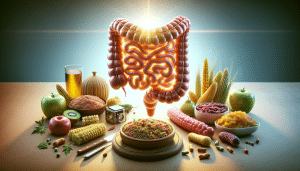
Daily choices have a remarkable impact on gut bacteria. Diet is the most obvious lever: high-fiber fruits, vegetables, legumes, whole grains, and fermented foods help nurture beneficial microbes. Meanwhile, excess processed carbohydrates, alcohol, and added sugars may fuel less helpful bacterial species, sometimes leading to uncomfortable symptoms like bloating or irregularity. Incorporating a diverse range of plant-based foods supports the variety and resilience of the gut ecosystem (Source: https://www.hsph.harvard.edu/nutritionsource/microbiome/).
Medications, especially antibiotics and certain antacids, bring both positive and negative effects. While lifesaving for infections, they can dramatically reduce gut bacterial diversity. This is why some health professionals recommend post-antibiotic courses of probiotics or a high-fiber diet to help restore microbial balance. Chronic stress can also damage the gut, slowing digestive function or triggering changes in microbe populations. Simple daily actions like regular mealtimes, mindful chewing, and hydration help protect the gut lining and encourage a healthy microbiome.
Physical activity and sleep quality round out the list of gut-shaping factors. Regular movement supports digestion and microbial diversity. In contrast, chronic sleep deprivation can weaken the gut barrier, increasing vulnerability to inflammation and imbalances. Reassessing small lifestyle habits, from bedtime routines to portion sizes and stress relief practices, can yield surprising benefits for digestive and emotional wellness—one step at a time.
Effective Strategies for Nurturing Digestive Health
Revitalizing gut health doesn’t have to involve drastic changes. Experts recommend gradual dietary improvements, starting with increasing plant-based foods and incorporating fermented items like yogurt, kefir, kimchi, or sauerkraut. For those who have food sensitivities, a registered dietitian can help trial elimination techniques to spot aggravating items (Source: https://www.eatright.org/health/wellness/digestive-health/all-about-gut-health). Drinking enough water, practicing mindful eating, and chewing food slowly support optimal digestion and nutrient absorption.
Many are curious about probiotics and prebiotics, as both play unique roles. Probiotics are live beneficial microbes found in certain foods or supplements; prebiotics are fibers that fuel those friendly bacteria. A combination of the two, sometimes called synbiotics, may enhance digestive and overall health. Before starting new supplements, consulting a healthcare provider ensures safe, personalized choices—especially important for vulnerable groups or those with underlying health issues.
Long-term results rely on consistency and a holistic approach. Managing everyday stress, prioritizing quality sleep, moving regularly, and posing questions to medical professionals if symptoms persist all contribute to lasting balance. With growing knowledge, small changes offer powerful improvements for gut and overall well-being. Investing attention here pays off across the whole body, adding energy, mood stability, and immune resilience over time.
When to Seek Help or Professional Guidance
Some digestive symptoms resolve with gentle lifestyle shifts. But persistent issues—such as blood in stool, significant unintended weight loss, or ongoing pain—warrant quick attention from a healthcare provider. Early professional intervention can clarify if there is a deeper condition, such as food allergies, inflammatory bowel diseases, or infections (Source: https://www.nih.gov/news-events/nih-research-matters/tracking-gut-health-signals). Routine checkups support proactive gut health and help prevent more serious complications.
People managing chronic conditions—like diabetes, autoimmune disorders, or recurring infections—should inform their care team about new digestive symptoms. Specialists may recommend targeted testing, such as stool analysis, food sensitivity testing, or imaging studies to assess gut function. While internet resources provide general ideas, individualized recommendations always offer the safest path.
Above all, paying attention to your body is key. Tracking symptoms, food intake, and stressors in a journal can uncover patterns or triggers that might otherwise go unnoticed. When changes persist, open dialogues with healthcare professionals ensure well-informed decisions, helping navigate the growing landscape of gut health research safely and confidently.
References
1. National Institute of Allergy and Infectious Diseases. (n.d.). The Microbiome. Retrieved from https://www.niaid.nih.gov/diseases-conditions/microbiome
2. National Institutes of Health. (2021). Tracking gut health signals. Retrieved from https://www.nih.gov/news-events/nih-research-matters/tracking-gut-health-signals
3. Hills, R. D. Jr., et al. (2019). Gut microbiome: Profound implications for diet and disease. Retrieved from https://www.ncbi.nlm.nih.gov/pmc/articles/PMC7892319/
4. Harvard T.H. Chan School of Public Health. (n.d.). The microbiome. Retrieved from https://www.hsph.harvard.edu/nutritionsource/microbiome/
5. Academy of Nutrition and Dietetics. (n.d.). All about gut health. Retrieved from https://www.eatright.org/health/wellness/digestive-health/all-about-gut-health
6. Johns Hopkins Medicine. (n.d.). The brain-gut connection. Retrieved from https://www.hopkinsmedicine.org/health/wellness-and-prevention/the-brain-gut-connection

 Interior Design Trends That Promote Productivity