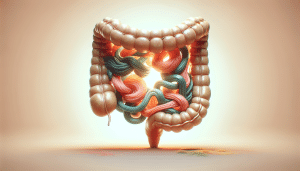
Secrets Your Gut Microbiome Wants You to Know
Emily Ward November 6, 2025
Explore the surprising connections between your gut microbiome, mental clarity, immune strength, and lasting wellness. This guide delves into the powerful influence of gut health on daily energy, weight management, and even skin vitality—showcasing science-backed strategies to help you support your microbiome naturally.
The Microbiome Inside: Your Hidden Wellness Ally
Few realize that trillions of microorganisms live inside the digestive tract, shaping everything from digestion to immunity. The gut microbiome is like an intricate ecosystem, with bacteria, fungi, and viruses working together to break down food, absorb nutrients, and protect against harmful invaders. When these microbial communities are balanced, people often report higher energy, sharper thinking, and greater resilience to daily stress. But when the balance is disturbed, it can influence everything from metabolism to mood—highlighting just how closely health is tied to the gut’s invisible world.
Experts studying human microbiota highlight that the diversity of these microbes holds the key to long-term wellness. Having a wide variety of beneficial bacteria in the gut is associated with lower rates of digestive discomfort and chronic inflammation. Trends in nutritional science now suggest that what we eat can encourage the growth of friendly bacteria or, conversely, promote harmful species. The foods chosen daily can tip the balance either way. This makes even small dietary changes potentially powerful in fortifying digestive and overall health (Source: https://www.niaid.nih.gov/research/microbiome).
Beyond just digestion, the gut microbiome communicates with other body systems, including the immune and nervous systems. Signals sent from the gut can moderate inflammatory responses and even affect neurotransmitters linked to mood. Recent research into the microbiome–gut–brain axis reveals how the gut and mind are deeply interconnected, making gut health crucial not just for physical but also for mental wellness. This emerging understanding has prompted a surge of interest in lifestyle steps that nurture the body from the inside out (Source: https://www.ncbi.nlm.nih.gov/pmc/articles/PMC5641835/).
Gut Health and Immunity: The Inner Defense Link
Did you know that more than 70% of the immune system is located in the gut? The gut wall serves as a protective barrier, equipped with immune cells ready to attack dangerous invaders. Beneficial bacteria play a crucial role in training these immune cells to distinguish between threats and harmless substances, reducing unnecessary inflammation. A well-balanced microbiome not only supports defense against infection but also keeps allergic reactions and autoimmune responses in check.
Disruptions in microbial communities can weaken these defenses, as seen in people with frequently recurring infections or chronic inflammatory conditions. Factors like processed foods, chronic stress, or excessive antibiotic use can decrease desirable species, leaving the gut more vulnerable. Some studies even indicate a relationship between certain illnesses and a lack of key probiotics—microscopic ‘helpers’ that maintain balance and immune readiness. Introducing a variety of fiber-rich plants, fermented foods, and stress-relief routines has been shown to promote more robust gut defenses (Source: https://www.hsph.harvard.edu/nutritionsource/microbiome/).
Scientists continue to uncover how specific probiotic strains, like Lactobacillus and Bifidobacterium, support the immune system’s complexity. These bacteria influence the production of antimicrobial substances and help repair damaged gut lining. They also communicate with immune cells, sending signals that can either amplify or quiet inflammatory processes. By paying attention to gut-friendly habits, individuals can support both front-line immune defense and maintain a sense of well-being—even during times of seasonal challenges or increased stress (Source: https://www.cdc.gov/nutrition/data-statistics/know-your-limit-for-added-sugars.html).
Mood, Mind, and the Gut–Brain Connection
The gut isn’t nicknamed the “second brain” for nothing. Enteric neurons in the lining of the intestine continually send messages to the central nervous system via the vagus nerve. Gut bacteria produce compounds that impact neurotransmitters like serotonin and dopamine—powerful chemicals linked to feelings of contentment and relaxation. When the gut microbiome is well-supported, people may experience more consistent moods and clearer thinking. It’s a cycle: happy gut, happy mind.
Disturbances in the gut—especially a lack of beneficial species—have been correlated with higher rates of anxiety, low mood, or even cognitive fog. Some researchers are exploring ‘psychobiotics,’ or probiotics shown to potentially support emotional well-being. Early findings suggest that targeted nutrition and microbiome diversity may play a role in supporting mental balance. Strategies for gut-brain harmony include consistent mealtimes, regular movement, and fiber-rich choices (Source: https://www.ncbi.nlm.nih.gov/pmc/articles/PMC7642718/).
As the science evolves, practical tips for daily life are gaining traction. Suggestions include mindful eating—savoring each bite to aid digestion—and introducing fermented foods, which naturally contain probiotics. Regular sleep and minimizing processed foods may also promote positive effects on the gut-brain axis. Many find that steady, gut-focused habits help foster a more resilient mindset as well as greater everyday satisfaction.
Gut Health and Weight: A Complex Relationship
Some people wonder why weight loss efforts stall despite eating balanced meals. The answer may lie in the microbiome’s influence on metabolism and appetite. Certain bacteria can influence how efficiently the body extracts calories and signals fullness. An imbalance with too many ‘unfriendly’ microbes may contribute to cravings, lower energy, and fluctuations in body composition. A diverse gut often means the metabolism operates smoothly, making it easier to maintain personal health goals.
Research has found that individuals with more varied diets—including prebiotic fibers from vegetables and whole grains—tend to host a greater range of helpful bacteria. This diversity is linked to better blood sugar regulation and more stable energy. Meanwhile, a diet rich in added sugars, processed meats, or low in plant diversity can reduce beneficial populations, potentially affecting healthy weight management and even increasing the risk of metabolic challenges (Source: https://www.ncbi.nlm.nih.gov/pmc/articles/PMC7642718/).
Understanding the gut’s role in energy harvest and fat storage is leading to new approaches in wellness. People are advised to focus not solely on calories in versus out, but on feeding gut microbes with a rainbow of plant foods. Staying hydrated and moving regularly boosts the microbiome’s activity. Over time, these habits can change not just weight, but overall vitality, making wellness about more than numbers on a scale.
Nourishing Your Microbiome: Practical Tips That Matter
Nurturing the gut doesn’t have to be complex. Start by incorporating more prebiotic-rich foods, like onions, garlic, bananas, and oats, which fuel beneficial bacteria. Fermented favorites such as yogurt, kefir, kimchi, and sauerkraut naturally boost probiotic content in the gut. Eating a colorful variety of fruits and vegetables supplies the fibers that friendly microbes love. Each meal is a chance to support inner ecology and build resilience for whatever life brings.
Lifestyle factors can tip the balance just as much as food. Chronic stress, inconsistent sleep, and excessive antibiotic use may undermine gut diversity. In contrast, getting regular rest, practicing mindfulness, and finding enjoyable movement—even gentle walks—help feed the ‘good bugs’ that keep the system running smoothly. Hydration is another simple but powerful ally for a thriving microbiome.
It’s empowering to know that small, daily changes accumulate over time. For those curious about tracking their progress, keeping a food and mood journal may reveal patterns. People are also turning to evidence-based resources, like nutrition courses and medical guidance, to fine-tune their routines. While each gut ecosystem is unique, the general rules—diversity, moderation, and regularity—hold true for most. Investing in the gut is an investment in lifelong wellness.
Beyond Digestion: Surprising Effects of Gut Health
The influence of the microbiome keeps expanding as new research emerges. For example, gut microbes interact with skin cells, impacting conditions like eczema or acne. Some findings suggest the gut plays a role in cholesterol regulation and heart function. There’s even emerging evidence that certain gut bacteria affect the metabolism of medications, altering how drugs are absorbed or cleared. The gut’s reach is wider than many suspect.
Imbalances in gut bacteria have been linked to seemingly unrelated issues such as low energy, sluggish recovery after physical exertion, and even food sensitivities. Microbial diversity supports the body’s natural detoxification systems and can reinforce resilience after illness or antibiotics. Because of these connections, care teams now encourage people recovering from health setbacks to pay special attention to their gut regimen (Source: https://www.ncbi.nlm.nih.gov/pmc/articles/PMC5641835/).
Personalized health strategies are growing, from microbiome testing to individualized nutrition plans. But the foundation remains the same: regular, diverse whole foods and mindful living habits lead to a flourishing gut. As science advances, expect more tailored advice for what works best for specific health goals. For now, embracing well-rounded gut support is a reliable way to nurture wellness from the inside out.
References
1. National Institute of Allergy and Infectious Diseases. (n.d.). NIH Human Microbiome Project. Retrieved from https://www.niaid.nih.gov/research/microbiome
2. Harvard T.H. Chan School of Public Health. (n.d.). The Microbiome. Retrieved from https://www.hsph.harvard.edu/nutritionsource/microbiome/
3. National Center for Biotechnology Information. (2017). The Microbiome in Health and Disease. Retrieved from https://www.ncbi.nlm.nih.gov/pmc/articles/PMC5641835/
4. Centers for Disease Control and Prevention. (n.d.). Know Your Limit for Added Sugars. Retrieved from https://www.cdc.gov/nutrition/data-statistics/know-your-limit-for-added-sugars.html
5. National Center for Biotechnology Information. (2020). Gut Microbiota’s Effect on Mental Health. Retrieved from https://www.ncbi.nlm.nih.gov/pmc/articles/PMC7642718/
6. Mayo Clinic. (n.d.). Gut Health: How to Maintain a Healthy Gut. Retrieved from https://www.mayoclinic.org/healthy-lifestyle/nutrition-and-healthy-eating/in-depth/gut-health/art-20418395

 Hydration Secrets for Glowing Skin Everyone Overlooks