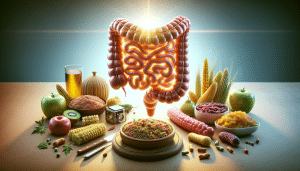
Unlocking the Benefits of Gut Health for You
Emily Ward November 6, 2025
Explore how gut health shapes well-being, supports immunity, and influences energy and mood. Learn more about the impact of the gut microbiome, simple steps to foster balance, and why many are focusing on digestive wellness for long-term vitality.
Understanding the Gut Microbiome and Why It Matters
The gut microbiome, an intricate collection of trillions of bacteria, viruses, and fungi living in the digestive tract, plays a key role in your overall health. These microscopic organisms work around the clock to help break down food, extract nutrients, and defend against harmful invaders. Disruptions in this delicate microbial community are increasingly linked with digestive discomfort, fatigue, and imbalanced immune responses. Many people are surprised to discover that gut health also impacts skin clarity, metabolism, and mental sharpness. This emerging area of science is revealing the unique ways the gut-brain axis influences everything from digestion to daily mood swings.
Current research connects a balanced gut microbiome with improved nutrient absorption, reduced inflammation, and greater resilience against illness. When the community of gut microbes thrives, digestive processes become smoother and uncomfortable bloating or irregularity may improve. Diet is a major factor in shaping your gut. Fiber-rich foods serve as fuel for beneficial bacteria, allowing them to produce substances that support the gut lining and immune system (Source: https://www.nccih.nih.gov/health/probiotics-what-you-need-to-know). Paying attention to the quality and variety of your daily meals can make a big difference.
Microbes residing in the digestive tract do more than break down food. Studies show that gut bacteria help manufacture certain vitamins, like vitamin K and some B vitamins, and may influence cholesterol levels. They’re also part of a sophisticated network of signals sent throughout the body, affecting energy, focus, and even appetite control. Scientists are still exploring how shifts in the gut microbiome relate to health challenges like irritable bowel syndrome, autoimmune conditions, and weight fluctuations. Focusing on digestive wellness is a proactive way to safeguard many dimensions of health.
The Connection Between Gut Health and Immunity
About 70% of the immune system resides within the gut, making this area a central hub for your body’s defences. Specialized immune cells in the gut lining monitor daily encounters with food, environmental particles, and bacteria, responding rapidly when something seems amiss. This means the strength and balance of your gut can shape how often you catch colds, how quickly you recover, and your sensitivity to allergens. Promoting gut health may help support immune balance by encouraging the growth of helpful bacteria that compete with or crowd out less desirable strains (Source: https://www.hsph.harvard.edu/nutritionsource/probiotics-and-prebiotics/).
Certain probiotic foods and supplements have gained attention for their potential to modulate immunity. Yogurt with live cultures, fermented vegetables like kimchi and sauerkraut, and beverages such as kefir or kombucha contain strains of beneficial bacteria that may help diversify your gut microbiome. While results vary, there is growing interest in how regular consumption can blunt low-level inflammation and possibly reduce some infection risks. It is essential to remember that effects are individual, and maintaining a diverse, plant-rich diet remains a cornerstone of immune-friendly eating.
Gut health also relates to immune tolerance. When the gut barrier is strong, it helps prevent unwanted substances from entering the bloodstream. This could reduce the frequency of immune misfires that contribute to food sensitivities or ongoing allergic symptoms. Some studies now suggest that specific prebiotics, or fibers that feed good bacteria, can boost this protective effect (Source: https://www.ncbi.nlm.nih.gov/pmc/articles/PMC6723651/). Exploring dietary adjustments and mindful food choices is a gentle, supportive strategy for those hoping to fortify immune health from within.
Dietary Habits That Shape Digestive Wellness
What you eat is critical to shaping gut health. Diets rich in colorful fruits, non-starchy vegetables, beans, and whole grains provide vital nutrients and fibers that beneficial microbes adore. As these fibers ferment in the digestive tract, they support gut lining repair, ease digestion, and produce compounds that help lower inflammation. It’s not just about what you add, though—limiting highly processed foods, artificial sweeteners, and excessive saturated fat is equally important. Research has linked these modern dietary trends with gut imbalances (Source: https://www.hsph.harvard.edu/nutritionsource/gut-microbiome/).
Fermented foods play a valuable role by introducing live, friendly bacteria into the digestive system. Examples include Greek yogurt, miso soup, tempeh, and brined pickles. These foods might add flavor and diversity while supplying microbes that nudge gut health in a positive direction. Balancing meals with omega-3-rich fish, olive oil, seeds, and nuts can further foster a resilient microbiome. Often, making gradual changes toward a more plant-forward way of eating gives both digestion and energy a gentle lift.
Hydration is often overlooked, but it is crucial. Drinking enough water supports the movement of food through the digestive tract and helps beneficial bacteria thrive. Combining good hydration with mindful meal timing, chewing food thoroughly, and eating without rushing can provide noticeable improvements in comfort and regularity. While no single food guarantees perfect gut health, building a variety of gut-friendly habits brings both immediate and lasting rewards for many seeking digestive wellness.
The Gut-Brain Connection and Mental Wellness
Science now confirms what many have long suspected: the gut and brain are in constant conversation. This two-way street, called the gut-brain axis, involves nerves, immune signals, and microbial messengers. Signals travel from gut microbes to affect neurotransmitter production, stress responses, and even sleep cycles. It is why gut discomfort sometimes accompanies anxiety, and why emotional distress may trigger digestive upset. For people living with chronic stress or mood fluctuations, attention to gut health may provide another layer of emotional support (Source: https://www.apa.org/monitor/2012/09/gut-feeling).
Bacterial balance in the digestive tract influences the availability of serotonin—a key mood-regulating molecule. Around 90% of serotonin is produced or stored in the gut, not the brain, which helps explain the connection between digestion and mood. Positive changes in diet, probiotics, or prebiotics have shown early promise for easing mild depressive or anxious symptoms in certain studies. Still, these effects are usually subtle, and gut-focused strategies are designed to complement—not replace—trusted mental health care (Source: https://www.ncbi.nlm.nih.gov/pmc/articles/PMC6469458/).
Mindful practices, like yoga or meditation, may reduce stress hormones that influence the gut’s environment. Creating a routine that includes stress reduction, nourishing meals, and time outdoors makes it easier for both mind and body to recover from the daily rush. As more research explores the relationship between gut health and mental wellness, gentle interventions for improving sleep, focus, or mood continue to attract attention among those looking for holistic well-being solutions.
Lifestyle and Environmental Factors Affecting the Gut
Beyond food choices, daily habits significantly affect gut health. Regular sleep patterns, moderate physical activity, and meaningful social connections have each been linked to a more diverse and adaptive microbiome. Conversely, inadequate sleep, high stress, and sedentary routines may disrupt the gut, leaving people more vulnerable to bloating, fatigue, or infections. Simple lifestyle tweaks—like moving more, connecting with friends, or prioritizing restful nights—bring cumulative benefits.
Exposure to antibiotics, certain medications, or environmental pollutants can also affect gut microbial balance. While these treatments are sometimes necessary, they may temporarily reduce the numbers or types of beneficial bacteria. Reintroducing fermented foods, focusing on whole plant foods, and giving time between medication courses are common strategies recommended for rebuilding microbial health following such interventions (Source: https://www.gutmicrobiotaforhealth.com/how-antibiotics-affect-your-gut-microbiota/).
Other factors, like travel, changes in water source, or major shifts in diet, can also influence digestion. Paying attention to how the body responds after transitions—either gradual or sudden—supports informed choices and self-care plans. Over time, a holistic approach to gut health that recognizes environmental, social, and emotional influences tends to offer the greatest resilience and comfort for those seeking balance.
Supporting Gut Health Over the Long Term
Long-lasting gut health benefits often stem from sustainable changes, not quick fixes. Those interested in digestive wellness are encouraged to view shifts in food choices, stress management, and even medication use as part of a broader journey. Developing curiosity about new recipes or mindful eating techniques can transform daily routines into enjoyable self-care opportunities. Listening to the body’s cues—like feelings of fullness or energy flow—makes the process intuitive and adaptable over time.
Staying consistent with plant-rich meals, rotating probiotic or prebiotic foods, and staying hydrated are practices that most find manageable with a little planning. Supplementation with probiotics is sometimes chosen, but its effectiveness can vary based on individual needs and strains selected. Consultation with a healthcare provider or registered dietitian is commonly advised for those experiencing persistent digestive symptoms or considering major dietary changes (Source: https://www.eatright.org/health/wellness/preventing-illness/the-microbiome-and-gut-health).
Finally, nurturing the gut is a process rather than a single act. Setbacks happen, but returning to simple, whole-food meals and caring routines rebuilds a foundation for resilience. As science provides more insights into the links between the gut, immunity, and mental well-being, taking proactive yet gentle steps continues to inspire those wishing to feel their best, naturally.
References
1. National Center for Complementary and Integrative Health. (n.d.). Probiotics: What You Need To Know. Retrieved from https://www.nccih.nih.gov/health/probiotics-what-you-need-to-know
2. Harvard T.H. Chan School of Public Health. (n.d.). Probiotics and prebiotics. Retrieved from https://www.hsph.harvard.edu/nutritionsource/probiotics-and-prebiotics/
3. National Institutes of Health. (2019). Gut Microbiome and Eating Habits. Retrieved from https://www.ncbi.nlm.nih.gov/pmc/articles/PMC6723651/
4. Harvard T.H. Chan School of Public Health. (n.d.). The gut microbiome. Retrieved from https://www.hsph.harvard.edu/nutritionsource/gut-microbiome/
5. American Psychological Association. (2012). That gut feeling. Retrieved from https://www.apa.org/monitor/2012/09/gut-feeling
6. Academy of Nutrition and Dietetics. (n.d.). The Microbiome and Gut Health. Retrieved from https://www.eatright.org/health/wellness/preventing-illness/the-microbiome-and-gut-health

 Secrets Your Gut Microbiome Wants You to Know