Interior Design Trends That Promote Productivity
Thomas Blake September 23, 2025
Interior design trends that promote productivity are shaping how we work and live in 2025. From home offices to hybrid workplaces, design choices directly affect focus, energy, and creativity. These trends combine aesthetics with function, offering practical ways to boost efficiency without sacrificing comfort.
Why Productivity-Focused Interior Design Matters
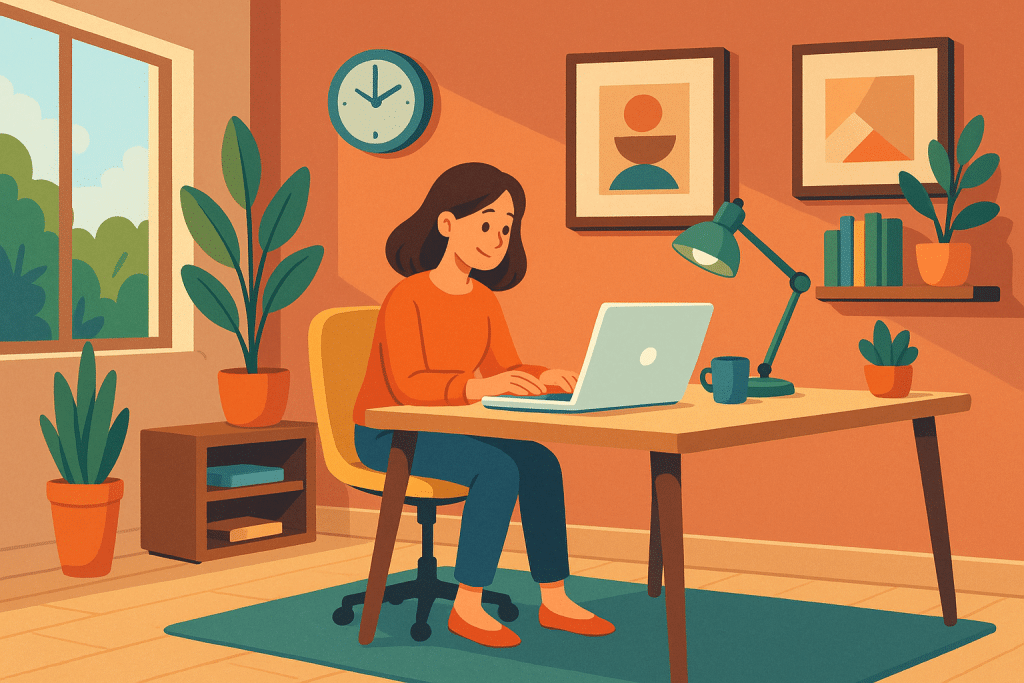
The shift to hybrid and remote work has blurred the line between personal and professional spaces. Employees now expect environments that balance comfort with focus. According to a study from the American Society of Interior Designers, workspace layout and design can influence productivity by up to 20% (ASID 2022). That means the right design decisions are not just about style—they’re about performance.
1. Biophilic Design: Nature Meets Productivity
Biophilic design, or weaving natural elements into interior spaces, has become more than a design choice—it’s now seen as a workplace strategy. Research consistently shows that exposure to daylight, greenery, and natural textures reduces stress levels and boosts memory, focus, and overall wellbeing (Kellert, 2018). People simply function better when their environment feels alive.
Key elements include:
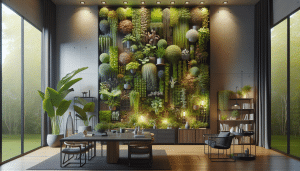
- Indoor plants and living walls that clean the air and create a calming backdrop.
- Natural light optimization with large windows, skylights, and reflective surfaces that reduce the need for harsh artificial lighting.
- Organic materials such as wood, stone, or bamboo that bring warmth and a sense of grounding.
- Nature-inspired layouts like flowing furniture lines, water features, or even art that mimics natural forms.
Some of the world’s most innovative companies are already showing what’s possible. Amazon’s “Spheres” in Seattle are filled with more than 40,000 plants, creating an indoor rainforest where employees can work or take breaks. Google has experimented with layouts that maximize daylight exposure and include abundant greenery, reporting noticeable improvements in satisfaction and collaboration.
For smaller offices or home workspaces, the same principles apply—placing desks near windows, adding a few plants, or choosing natural materials for furniture can deliver a surprising boost in mood and productivity. In short, biophilic design works on every scale, making spaces healthier, more inspiring, and more human-friendly.
2. Flexible, Multi-Functional Workspaces
The rise of remote and hybrid work is reshaping what offices—and even home workspaces—look like. Traditional static desk setups are giving way to interiors that can adapt to different tasks, moods, and team sizes. The goal isn’t just comfort, but also boosting focus, collaboration, and creativity without needing to move to a completely different environment.
Current trends shaping this shift include:
- Height-adjustable desks that encourage movement and help reduce the health risks of sitting all day. Employees can alternate between standing and sitting, which improves posture and energy levels.
- Modular furniture systems that can easily switch from solo desks to collaborative pods. This allows a space to serve as a quiet nook in the morning and a brainstorming hub in the afternoon.
- Acoustic zoning with partitions, soundproof booths, or movable panels to manage noise levels. These solutions help balance privacy with teamwork by creating micro-environments inside larger spaces.
- Convertible storage and shelving units that double as dividers. They create structure in open layouts while maximizing floor space.
- Tech-integrated furniture such as desks with built-in wireless chargers or conference tables with hidden cable management, reducing clutter and supporting smooth workflow.
This multi-functional approach reduces distractions and makes it easier to shift gears between deep focus, casual collaboration, and creative problem-solving. For example, a marketing team could start the day working individually at personal desks, slide the furniture into a circle for an afternoon brainstorming session, and then use acoustic booths for one-on-one client calls—all in the same space.nments.
3. Smart Lighting for Energy and Focus
Lighting is no longer about simple illumination—it’s about rhythm. Human-centric lighting that mimics natural daylight supports circadian rhythms, which directly affect productivity.
Recent findings highlight that workers exposed to dynamic lighting solutions reported better concentration and lower fatigue (Figueiro et al. 2019). Smart systems now allow users to adjust brightness and color temperature based on task and time of day.
4. Minimalist Design for Mental Clarity
Cluttered spaces create cluttered minds. Minimalist interiors with clean lines, neutral tones, and strategic décor are becoming a go-to choice for productivity.
Minimalism doesn’t mean sterile—it’s about intentional design. With carefully chosen furniture, hidden storage, and balanced color palettes, employees are less distracted and more focused. Scandinavian-inspired layouts, in particular, remain popular for blending simplicity with comfort.
5. Acoustic Design to Eliminate Noise Distractions
Noise remains one of the biggest workplace distractions. Studies show that open-office noise reduces productivity by up to 66% (Banbury and Berry 2005).
Modern solutions include:
- Acoustic panels made from sustainable fabrics.
- Noise-canceling design with textured walls and ceilings.
- Soundproof pods for deep-focus work.
By tackling noise pollution, organizations are building calmer environments that allow uninterrupted workflow.
6. Wellness-Focused Work Environments
Health and productivity are inseparable. New interior design trends integrate wellness through ergonomic setups, relaxation corners, and even mindfulness spaces.
Practical applications:
- Ergonomic chairs that reduce back pain.
- Lounge areas for breaks to recharge mental energy.
- Air-purifying systems to improve indoor quality.
The WELL Building Standard has pushed companies to prioritize these aspects, linking wellness directly to measurable performance gains.
7. Personalized and Functional Aesthetics
Finally, personalization is key. Allowing workers to adapt their spaces with personal décor, adjustable furniture, and tailored layouts makes them feel more engaged. Studies show that personalized workspaces improve morale and job satisfaction, which correlates directly with productivity (Knight and Haslam 2010).
This trend blends aesthetics with functionality—designing spaces that are beautiful but also deeply practical.
Conclusion
Interior design trends that promote productivity are redefining modern living and working. From biophilic elements and ergonomic setups to smart lighting and acoustic control, these trends show that design is not just decoration—it’s a performance tool. Whether at home or in corporate offices, the spaces we shape today directly influence how we think, feel, and achieve tomorrow.
References
- Gensler. (2020) Workplace survey: The future of office design. Available at: https://www.gensler.com/ (Accessed: 23 September 2025).
- American Society of Interior Designers (ASID). (2022) Impact of design on workplace productivity. Available at: https://www.asid.org/resources/ (Accessed: 23 September 2025).
- Steelcase. (2021) Designing for productivity: How workspace influences performance. Available at: https://www.steelcase.com/research (Accessed: 23 September 2025).

 Travel Planning Tips for Solo Travelers