Wellness Practices That Improve Emotional Balance
Emily Ward September 29, 2025
The demand for wellness practices that improve emotional balance has surged in recent years. From digital detox retreats to biohacking stress, people are seeking practical methods to stabilize emotions while navigating a fast-paced world. This article explores the latest trends, science-backed techniques, and actionable strategies that can make a meaningful difference in everyday life.
Why Emotional Balance Matters More Than Ever
Emotional balance isn’t just about feeling calm—it directly impacts physical health, productivity, and relationships. Studies suggest that chronic stress and poor emotional regulation can increase risks of heart disease, depression, and cognitive decline (Harvard Health Publishing 2021).
On the flip side, maintaining emotional stability improves resilience, decision-making, and overall life satisfaction (World Health Organization 2022). In a climate where workplace burnout and digital fatigue are at record highs, adopting wellness practices that improve emotional balance is no longer optional—it’s essential.
Hot Emerging Trends in Emotional Wellness
1. Digital Mindfulness Tools
The wellness tech industry is booming with apps, wearables, and AI-driven platforms that guide meditation, track mood, and provide personalized recommendations. Apps like Calm and Headspace have already popularized meditation, but the new wave includes AI chat companions and VR therapy environments.
For instance, VR-based meditation programs can simulate calming environments—like beaches or forests—to reduce stress in minutes (Smith et al. 2023). These innovations are making mindfulness more accessible, even for people who struggle with traditional meditation.
2. Somatic Practices for Trauma and Stress
Somatic therapy is gaining recognition for its role in addressing emotional imbalance caused by trauma. Unlike talk therapy, somatic practices use physical movement and body awareness to release stored tension. Methods such as breathwork, trauma-informed yoga, and grounding techniques are being adopted widely.
Clinical trials have shown that somatic experiencing can reduce symptoms of post-traumatic stress disorder (Levine 2015). This has placed body-based practices at the forefront of wellness for emotional stability.
3. Psychedelic-Assisted Therapy
Psychedelics are no longer a taboo subject in mental health. In 2023, the FDA granted breakthrough therapy designation to psilocybin for treatment-resistant depression. Research indicates that substances like MDMA and psilocybin, when administered in controlled therapeutic settings, can help regulate emotional responses and promote long-lasting resilience (Johns Hopkins Medicine 2022).
Although still regulated, this approach is becoming a serious contender in the wellness landscape. Clinics in Oregon, Colorado, and parts of Europe are already offering legal psychedelic-assisted sessions under medical supervision.
4. Social Prescriptions and Community Wellness
Healthcare providers are increasingly prescribing “social prescriptions”—non-medical interventions like group fitness, art therapy, or volunteering. These practices strengthen social bonds, which play a vital role in emotional balance.
The UK’s National Health Service has integrated social prescribing into primary care, showing improved outcomes in mental health and reduced reliance on medication (Polley et al. 2017). This trend is expected to spread globally as loneliness becomes a recognized public health issue.
5. Biohacking Stress with Wearables
Wearables are moving beyond fitness tracking. Devices such as the Oura Ring and Whoop strap now include HRV (heart rate variability) monitoring, which helps individuals detect early signs of stress. Biofeedback-based tools also guide users through breathing exercises to restore calm in real time.
Early studies suggest HRV training can reduce anxiety and enhance resilience to stressors (Shaffer and Meehan 2020). This is making biohacking one of the fastest-growing trends in emotional wellness.
Practical Wellness Practices That Improve Emotional Balance
1. Structured Morning Routines
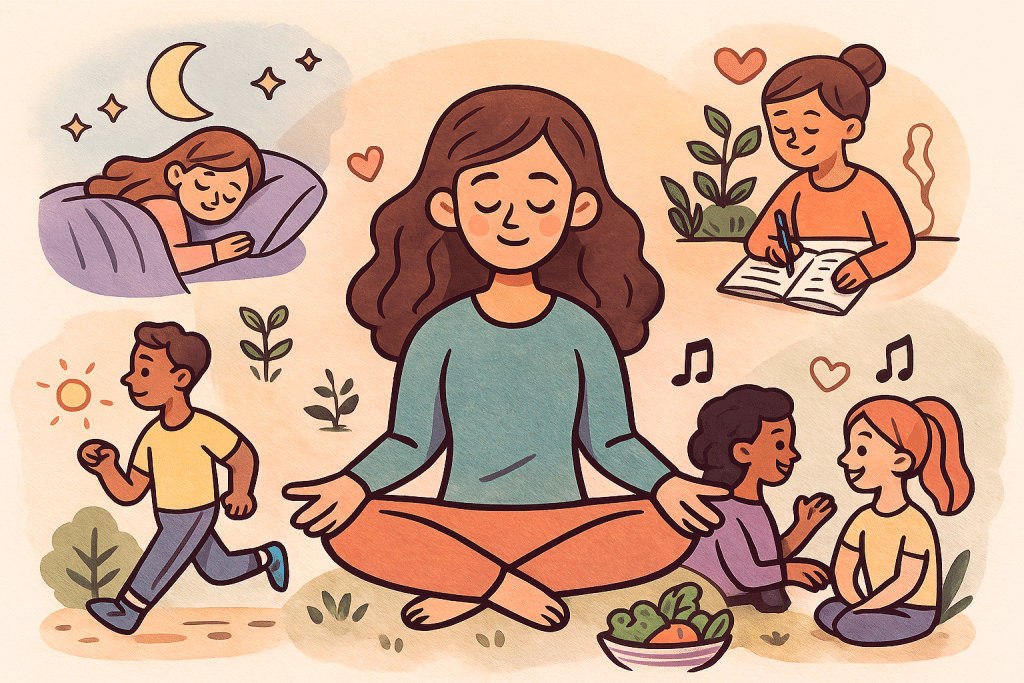
Starting the day with predictability creates emotional stability. Key elements include:
- Mindful breathing (5–10 minutes)
- Light physical activity like yoga or walking
- Journaling to set daily intentions
This structure reduces morning stress spikes, setting a calmer tone for the day.
2. Breathwork Techniques
Breathwork is a low-cost, high-impact method to regulate emotions. Popular techniques include:
- Box breathing (4-4-4-4 method): Used by Navy SEALs to stay calm under pressure.
- Alternate nostril breathing: Found in yoga traditions, balances nervous system activity.
- Holotropic breathwork: A more intensive practice designed for deep emotional release.
Research shows that controlled breathing activates the parasympathetic nervous system, lowering cortisol levels (Jerath et al. 2019).
3. Nutritional Psychiatry
Food influences mood more than most realize. Omega-3 fatty acids, probiotics, and a Mediterranean-style diet have been linked to reduced depression and improved emotional regulation (Sánchez-Villegas et al. 2009).
Integrating nutrition into wellness practices that improve emotional balance ensures that both body and mind are nourished for resilience.
4. Nature Therapy
Spending time in green spaces improves mood and reduces stress. Japan’s practice of “forest bathing” (shinrin-yoku) has been clinically shown to lower cortisol, heart rate, and blood pressure (Park et al. 2010).
Urban wellness centers are even designing indoor “biophilic” spaces—filled with plants, natural light, and sounds of nature—to mimic these benefits.
5. Journaling for Emotional Clarity
Writing helps process emotions and identify recurring patterns of stress. Methods include:
- Gratitude journaling (list three positive things daily)
- Cognitive restructuring journals (challenging negative thoughts)
- Stream-of-consciousness writing for emotional release
Studies indicate expressive writing can reduce symptoms of depression and anxiety while improving immune function (Pennebaker 1997).
Integrating Practices into Daily Life
Adopting wellness practices doesn’t mean overhauling life overnight. Start small:
- Commit to a 5-minute daily practice (breathing, journaling, or mindfulness).
- Experiment with different modalities—digital tools, somatic work, or nature therapy.
- Track progress with mood apps or journals to see what resonates most.
Consistency is more impactful than intensity. A short daily practice can be more beneficial than sporadic, intensive efforts.
The Future of Emotional Wellness
Looking ahead, emotional balance will likely be shaped by three forces:
- Integration of AI and wearables – offering personalized, real-time wellness guidance.
- Mainstream adoption of psychedelic-assisted therapies for mental health.
- Community-driven wellness models where healthcare emphasizes prevention through connection.
As these innovations grow, individuals will have unprecedented access to tools and practices designed to help maintain emotional resilience.
Conclusion
The science is clear: wellness practices that improve emotional balance are not just lifestyle add-ons—they are critical for long-term health and happiness. Whether through digital mindfulness, somatic therapies, nutrition, or biohacking, individuals now have more resources than ever to manage emotions effectively.
By experimenting with these emerging trends, you can discover a personalized toolkit to navigate life’s challenges with greater calm, clarity, and resilience.
References
- Harvard Health Publishing. (2021). Mindfulness meditation may ease anxiety, mental stress. Harvard Medical School. Available at: https://www.health.harvard.edu (Accessed: 29 September 2025).
- Mayo Clinic Staff. (2022). Stress management: Enhance your well-being by reducing stress and building resilience. Mayo Clinic. Available at: https://www.mayoclinic.org (Accessed: 29 September 2025).
- American Psychological Association. (2020). Building your resilience. American Psychological Association. Available at: https://www.apa.org (Accessed: 29 September 2025).

 Travel Planning Tips for Solo Adventures