Travel Planning Tips for Solo Adventures
Thomas Blake September 29, 2025
Planning a trip by yourself can feel overwhelming—yet it also offers freedom and growth. In this guide you’ll get up-to-date solo travel planning tips that tap into emerging trends, tools, and safety habits so your next adventure feels both bold and well grounded.
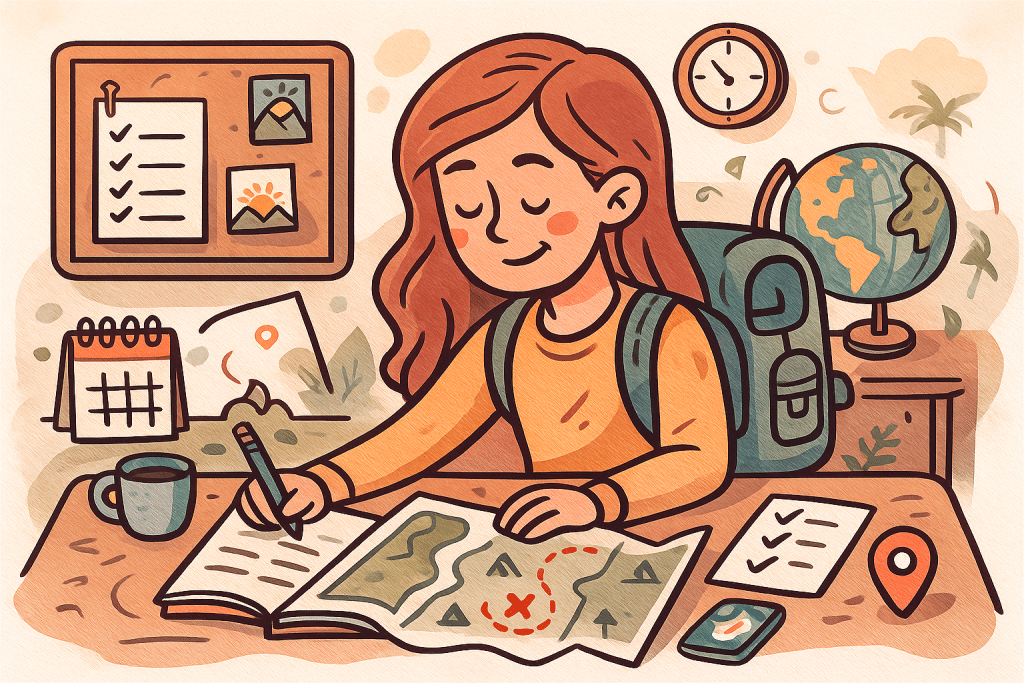
Why 2025 Is a Turning Point for Solo Travel
Before jumping into practical advice, it’s worth seeing where the solo travel world is heading—and how that shapes planning.
The growth curve: from niche to mainstream
- The solo travel market was valued at about USD 482.5 billion in 2024, with forecasts estimating it could triple by 2033 (13.5 % annual growth).
- An ASA / travel trend report suggests 76 % of Millennials and Gen Z plan solo trips in 2024, pointing to how widespread the choice has become.
- Many tour operators now highlight solo-friendly offerings by waiving or reducing single supplements, reflecting industry adaptation to demand.
What this means for you: the infrastructure—apps, community, accommodations—is catching up. You can plan with more support than ever.
Trends reshaping how solo travelers plan
These are some of the newer currents changing how solo travel planning happens:
- Narrative-driven itinerary design: AI frameworks are being developed that generate culturally grounded “scripts” from attraction networks, optimizing transitions, coherence, and timing in a way that feels narrative.
- Smart itinerary assistants (LLM-based tools): Projects like Roamify use large language models to personalize routes, adapt plans to real-time data, and refine suggestions based on your preferences.
- “Me mooning” or self-celebration travel: More solo travelers are booking journeys centered on self-renewal—retreats, immersive experiences, celebration escapes.
- Preference for immersive local experiences: Instead of ticking off “popular sights,” many solo travelers now prioritize cultural exchange, local workshops, and offbeat paths. A survey cited by HotelBeds says 78 % prefer immersion over touring standard spots.
Because these patterns are emerging now, your planning toolkit should be flexible, tech-aware, and experience-centered.
Essential Solo Travel Planning Tips (Core Section)
Here are the practical strategies—core, tested, and tuned to 2025 trends—to help you plan confidently and deliberately:
1. Start with a mindset and priorities map
- Define your travel purpose: Is this a learning trip, wellness retreat, adventure quest, or cultural deep dive?
- Map your nonnegotiables: safety, budget limit, language comfort, pace (slow vs packed).
- Plan “anchor days” first—days you definitely want to be in a certain place—then build transitions around them.
2. Budget and timing strategies
- Solo travelers often start planning six months in advance — about 32 % do so; another 33 % start three months or less before departure.
- Be alert to “shoulder season creep”: many solo travelers used to rely on spring/fall cost savings—but with increased demand, the price benefits are shrinking.
- Factor in “buffer funds” for last-minute transport, changes, or local emergencies. Aim for 10–15 % extra in your cost plan.
3. Use AI and narrative planning tools smartly
Rather than starting with static maps and spreadsheets, blend traditional planning with modern tools:
- Try itinerary assistants (e.g. via Roamify-style apps), which can generate adaptive plans based on your preferences.
- Use narrative planning concepts: think in “story beats” for your trip (arrival, peak moment, wind-down) and let your tool suggest transitions accordingly (as in the narrative-driven planning model).
- Always cross-check AI suggestions with up-to-date local sources—some location data or opening hours might lag behind.
4. Choose your travel style (hybrid, solo + group, or pure solo)
- Hybrid model: mix solo exploring with joining small local tours or daily experiences (e.g. cooking classes, local hikes).
- Solo + group day experiences: join day tours or workshops where you can plug into a social group without being obligated to stick together.
- Fully independent solo: manage all logistics yourself; build in at least one social anchor (e.g. stay a night in a social hostel or co-living space).
5. Accommodations that support solo travelers
Hotels and lodging options are changing in response to solo demand.
Here are tips:
- Look for properties with communal spaces (lobbies, lounges) to meet people naturally.
- Seek solo-friendly pricing or accommodations that waive single supplements, especially in tours or safaris.
- Use co-living or coliving platforms (especially in cities) which often cater to solo adventurers with shared facilities and built-in social features.
- Read guest reviews to gauge safety, quietness, and staff support—especially when traveling to lesser-known regions.
6. Safety and resilience planning
Safety deserves extra emphasis when you’re traveling alone:
- Share your full itinerary (and daily check-in plan) with someone you trust.
- Keep digital and physical backups of important documents (scanned passport, visa, insurance).
- Research local safety norms (women-only transport, neighborhood risks, local emergency numbers).
- Use apps for local SOS or geolocation tracking (choose ones with good privacy policies).
- When in transit (airport, train, bus), keep your bag in view or within reach. Don’t sleep deeply in public transport.
7. Flexible booking and cancellation policies
The ability to pivot mid-trip is key for solo travelers:
- Prioritize free-cancel or low-penalty options for flights, stays, and transport.
- Use airlines or platforms offering flexible date changes.
- For major legs (e.g. intercity or international legs), lock in a refundable or changeable option, then book smaller connectors closer to travel.
8. Embrace local immersion over checklist tourism
Given the trend toward deeper local experiences:
- Allocate time for local-led walking tours, cooking classes, or volunteer stints.
- Use apps or platforms that connect you with locals (e.g. language exchanges, cultural workshops).
- Plan “quiet mornings” in local neighborhoods to just observe daily life, not rush through landmarks.
9. Communication & connectivity
Staying connected is crucial for solo travelers:
- Use eSIMs, local SIM cards, or global data plans.
- Wear a travel safety app (offline maps, quick SOS).
- Keep a minimal “hard-copy fallback”: a notecard with key addresses, phone numbers, local language phrases.
10. Mental wellness and “pause days”
Solo travel can be intense. Don’t power through every day:
- Build in rest/pause days—no agenda, just relaxation or reflection.
- Use journaling, sketching, or photography as mental resets.
- Stay open to spontaneous change—but also know when to pull the plug and retreat to shelter or safety.
Sample Planning Timeline (6-Month Framework)
| Time Before Departure | Major Actions (Solo Travel Planning Tips Focused) |
|---|---|
| 6 months | Decide your core purpose and key locational anchors; begin rough route draft |
| 5 months | Explore itinerary via AI or narrative tools; identify must-see nodes |
| 4 months | Book major flights and flexible stays; apply for visas or permits |
| 3 months | Book local transport legs, day tours, immersive experiences |
| 2 months | Confirm safety info, local rules, and connectivity options |
| 1 month | Final review, download offline maps, prepare check-in sequence |
| Days before | Print backups, notify contacts, double-check bookings, pack smart |
Use this timeline but remain adaptable. Solo travel planning tips are most powerful when backed by flexibility.
Case Study: A “Me-Moon” Solo Retreat in Bali
To ground these tips, imagine planning a Bali solo retreat focused on wellness and immersion:
- Mindset & anchors: Four nights Ubud, two nights coastal retreat.
- Narrative itinerary: Arrival → rice terraces → yoga + slow art classes → beach reset → farewell spa day.
- Tool usage: Run through a narrative itinerary planner, then validate activity times manually.
- Accommodation: Seek boutique guesthouses with communal lounges and yoga offerings.
- Safety: Share daily plan with a trusted person; carry a local SIM; choose daytime transport.
- Local immersion: Book Balinese cooking class with locals; visit a village weaving co-op.
- Pause day: The beach day is unstructured—you relax, swim, journal.
- Flexibility: Book a flexible flight; avoid locking yourself into rigid side trips.
This model balances structure and breathing room—ideal for many solo travelers.
Common Pitfalls and How to Avoid Them
- Overpacking the schedule: Trying to hit too many spots makes travel feel like work. Use “less is more” as your default.
- Overreliance on AI without verification: AI may misread local updates—always cross-check.
- Neglecting safety checks in less-traveled areas: Even beautiful destinations can have blind spots—do local research.
- Staying in isolated lodging: It might feel peaceful, but distance from services can cost time or risk.
- No buffer days: Illness, delay, or fatigue can derail tight schedules—always plan for breathing space.
How to Use This Guide Effectively
- Use focus keyphrase “solo travel planning tips” as your anchor in your mental checklist.
- Return to the 10 practical tips the night before daily plans.
- Integrate AI / narrative tools into early drafting, not the last-minute scramble.
- Revisit your timeline table as a scaffold, but never treat it as rigid.
- Keep your case study framework in mind—modify it to your context.
Final Thoughts
Solo travel is no longer a fringe indulgence—it’s a robust, evolving segment reshaping how we explore the world. With the right mix of tools, narrative frameworks, safety consciousness, and immersive intent, you can plan journeys that feel purposeful and freeing. Use these solo travel planning tips to lean into emerging trends, maintain flexibility, and design a solo adventure you’ll remember—not one you’ll regret.
References
- Lonely Planet. (2023) How to travel solo: tips for planning your trip alone. Available at: https://www.lonelyplanet.com (Accessed: 28 September 2025).
- Nomadic Matt. (2024) The ultimate guide to solo travel: everything you need to know. Available at: https://www.nomadicmatt.com (Accessed: 28 September 2025).
- National Geographic. (2022) Solo travel: how to plan, stay safe and make the most of your trip. Available at: https://www.nationalgeographic.com (Accessed: 28 September 2025).

 Gardening Techniques That Encourage Sustainability