Smart Home Solutions That Save Time and Energy
Ryan Collins September 19, 2025
Smart home solutions that save time and energy are no longer futuristic ideas—they’re today’s most practical upgrades. From AI-driven thermostats to automated lighting, these technologies are designed to simplify daily routines while cutting utility costs.
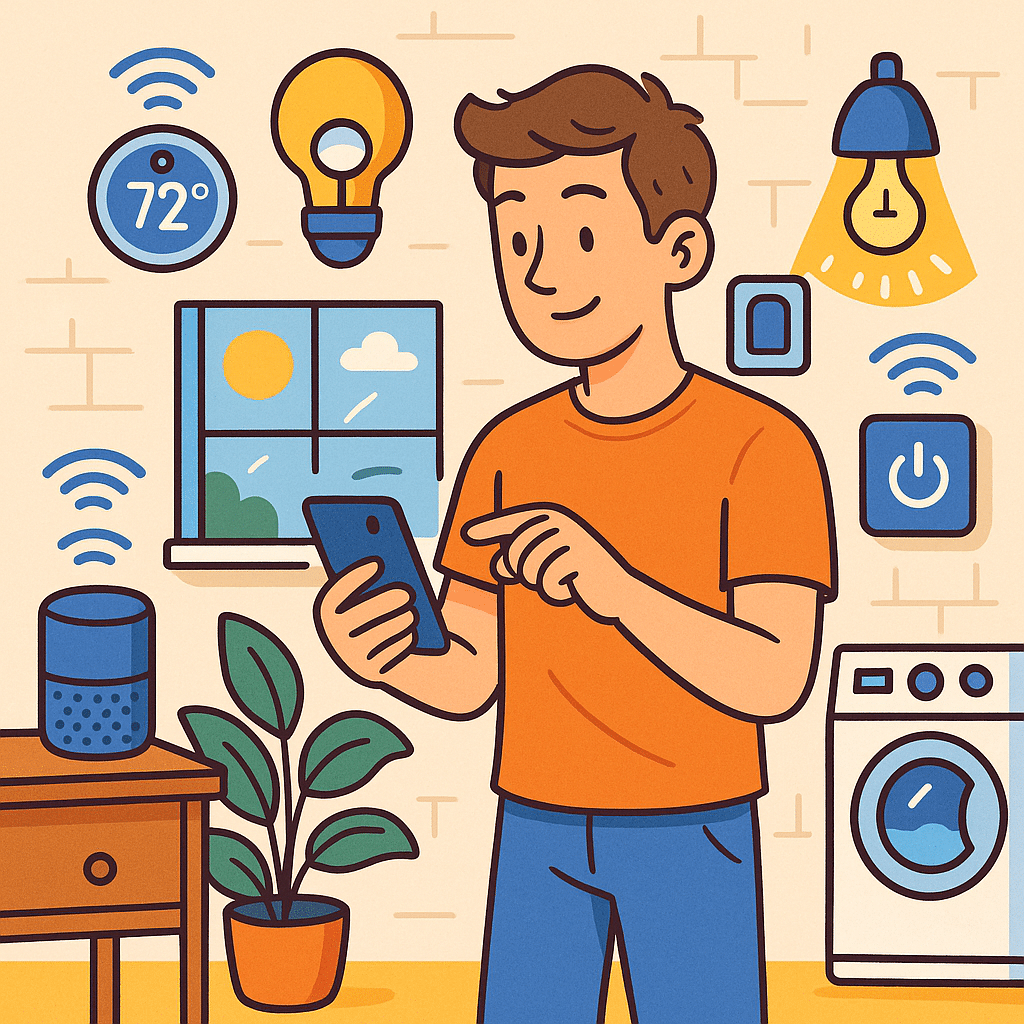
Why Smart Homes Are Booming in 2025
The global smart home market is expanding rapidly, projected to surpass 231 billion dollars by 2028 (Statista 2024). Energy efficiency, cost savings, and convenience are the primary drivers behind this surge. As energy prices climb and sustainability becomes a global priority, homeowners are looking for smarter, faster, and greener solutions.
1. Smart Thermostats: Cutting Costs with AI
Smart thermostats like Google Nest and Ecobee use machine learning to analyze your habits. They adjust heating and cooling based on when you’re home, asleep, or away. Studies show these devices can reduce heating costs by up to 10% and cooling by up to 15% annually (U.S. Department of Energy 2023).
Key Benefits:
- Remote temperature control via smartphone.
- Integration with weather data for accurate adjustments.
- Detailed energy reports that encourage better consumption habits.
2. Automated Lighting: Bright Ideas for Energy Savings
Lighting accounts for nearly 15% of an average home’s electricity use (Energy.gov 2023). Smart LED systems, such as Philips Hue or LIFX, allow homeowners to schedule lights, adjust brightness, and even change colors.
Why It Matters:
- Motion sensors prevent wasted energy.
- LED bulbs use at least 75% less energy and last 25 times longer than incandescent bulbs (Energy.gov 2023).
- Voice control integrates seamlessly with assistants like Alexa and Google Home.
3. Energy-Efficient Smart Appliances
Modern appliances aren’t just about convenience—they’re designed to minimize energy use. Examples include:
- Smart refrigerators that track expiration dates and adjust cooling.
- Smart washing machines that detect load size and optimize water and electricity use.
- Smart ovens that preheat efficiently and offer energy-saving cooking modes.
According to the International Energy Agency (IEA 2023), energy-efficient smart appliances can reduce household energy consumption by up to 20%.
4. Smart Plugs and Power Strips: The Silent Energy Savers
Even when turned off, many devices still consume electricity (known as standby power). Smart plugs cut this waste by automatically shutting off power when not in use.
Practical Use Cases:
- Scheduling TVs and gaming consoles to shut off at night.
- Controlling coffee makers and slow cookers remotely.
- Monitoring energy usage in real-time to identify power-hungry devices.
5. Home Energy Monitoring Systems
Systems like Sense and Emporia Vue analyze your entire home’s energy consumption in real time. They identify which appliances are draining the most electricity, allowing you to make smarter energy decisions.
This data-driven approach can cut overall energy bills by 5–15%, depending on household size and usage patterns (IEA 2023).
6. Smart Window Shades and Insulation
Heating and cooling account for nearly 50% of home energy bills (U.S. Energy Information Administration 2023). Smart shades automatically open during cooler hours and close during peak sunlight to maintain indoor temperature. Paired with smart insulation systems, these upgrades can drastically cut reliance on air conditioning.
7. Voice Assistants and AI Integration
While Alexa, Google Assistant, and Siri started as simple voice-controlled tools, they now act as energy-saving hubs. By connecting thermostats, lights, appliances, and plugs, they allow users to control everything hands-free. AI-powered scheduling ensures appliances run at the most efficient times.
8. Smart EV Chargers: The Future of Mobility Meets Home Energy
With electric vehicles becoming mainstream, smart EV chargers are essential. They optimize charging during off-peak hours when electricity is cheaper, and some even integrate with solar panels to make charging 100% renewable.
Practical Guide: How to Get Started with Smart Home Solutions
If you’re new to smart technology, here’s a step-by-step approach to build your smart home without feeling overwhelmed:
1. Start Small – Test the Waters with Simple Devices
Begin your journey with affordable and easy-to-install devices like smart plugs, light bulbs, or motion sensors. These entry-level tools don’t require complicated wiring or technical know-how. A smart plug, for instance, allows you to control lamps or coffee makers through your phone or voice assistant—perfect for experimenting with automation at low cost.
2. Upgrade Strategically – Focus on High-Impact Devices
Once you’re comfortable, move to devices that deliver significant energy savings and convenience. A smart thermostat, for example, can reduce heating and cooling costs by learning your schedule and adjusting temperatures automatically. Similarly, upgrading to smart appliances such as washing machines or refrigerators can provide detailed usage insights and help cut down utility bills. Choosing devices that offer the highest return on investment ensures you see real financial benefits quickly.
3. Integrate Systems – Create a Connected Ecosystem
Instead of having a dozen apps for different devices, consolidate everything into one hub. Most users rely on voice assistants like Amazon Alexa, Google Assistant, or Apple’s HomeKit. These platforms allow you to create automation routines—like turning off all lights and lowering the thermostat with a single “Goodnight” command. Integration also makes it easier for family members to use the system without confusion.
4. Track Progress – Measure Your Savings and Adjust
Smart homes shine when they show you measurable results. Use built-in dashboards or third-party apps to monitor your monthly energy consumption. By reviewing reports, you can identify which devices bring the most savings and which habits need adjusting. Tracking also keeps you motivated, as you’ll see tangible proof of lower bills and improved efficiency over time.
5. Scale at Your Own Pace – Build a Smart Home That Fits You
There’s no need to buy everything at once. Expand gradually as your needs grow. Maybe start with smart lighting this year, add security cameras the next, and finish with connected kitchen appliances later. This way, your smart home develops into a customized ecosystem tailored to your lifestyle and budget, without unnecessary purchases.
The Future of Smart Homes: Sustainability Meets Automation
By 2030, smart homes will likely rely on AI-driven energy grids, where homes not only consume but also sell energy back through solar panels and storage batteries. This will make households more self-sufficient and significantly reduce carbon footprints.
Conclusion
Smart home solutions that save time and energy are no longer luxury add-ons—they’re essential tools for modern living. With rising energy costs and growing sustainability concerns, homeowners who invest today will save money, reduce waste, and enjoy a more efficient lifestyle tomorrow.
References
- U.S. Department of Energy. (2023) Smart home technology and energy savings. Available at: https://www.energy.gov/energysaver/ (Accessed: 19 September 2025).
- International Energy Agency. (2022) Digital demand-driven electricity management: The role of smart homes. Available at: https://www.iea.org/reports/ (Accessed: 19 September 2025).
- Statista. (2024) Smart home market revenue worldwide from 2017 to 2028. Available at: https://www.statista.com/statistics/1238560/ (Accessed: 19 September 2025).

 Gardening Techniques That Encourage Plant Growth