Easy Ways You Can Make a Small Garden Feel Spacious
Thomas Blake November 29, 2025
Discover clever strategies for transforming limited outdoor space into a lush, relaxing retreat. This guide shares practical garden design ideas, smart plant choices, and storage solutions that maximize every inch while creating a beautiful, inviting atmosphere for you to enjoy.
Rethink Layout with Smart Garden Design
Effective garden design for small spaces relies on both creative layout and intentional organization. Many experts encourage you to divide a space into zones, adding structure through pathways or low hedges. This approach tricks the eye into seeing the garden as more expansive than it really is. Using curved or diagonal paths, rather than straight lines, adds visual interest and prevents the space from feeling boxy or confining. Consider elevating a corner with a small raised bed or seating area to further create depth. Visual layers help create a seamless flow and more usable square footage, allowing small gardens to support a surprising variety of activities and features, from relaxation to urban vegetable gardening.
Mirrors are another garden design element that can make a huge difference in compact yards or patios. When properly positioned, outdoor mirrors bounce light around shady spots and reflect green foliage, exponentially increasing the perception of space. Framing mirrors with trellises, climbing plants, or decorative trim helps them blend naturally into the landscape. Opt for safety glass or acrylic mirrors suited to outdoor use for durability. This affordable trick opens up even narrow spaces and complements vertical planting beautifully. By incorporating these design strategies, gardeners make even the smallest plots appear open and inviting.
Choosing the right paving or flooring can also dramatically transform how spacious a garden feels. Large-format pavers with minimal grout lines, or decking planks installed lengthwise, visually extend a small area. Mixing textures, such as combining gravel with stone paths, directs visual focus into specific zones and makes the journey through your garden more interesting. Consider light-colored materials, like pale gravel or limestone, to help bounce daylight throughout the landscape. Accessible walkways and clever transitions between surfaces encourage use of every inch, maximizing both beauty and practicality of small gardens.
Choose Plants That Add Height and Structure
Selecting the right plants is crucial for small garden success. By using a mixture of columnar trees, tall grasses, and climbing plants, it’s possible to draw attention upwards, making the area feel larger. Vertical gardening maximizes limited space by training flowering vines or vegetables such as beans to grow on trellises, fences, or obelisks. Tall containers or wall-mounted planters also work well for this technique. Carefully chosen species, like ornamental bamboo, foxglove, or clematis, contribute both height and privacy without sacrificing square footage.
Layering plant heights creates depth and shapes vibrant garden scenes. Place taller shrubs or perennials toward the back or along boundaries, then fill the middle with mid-sized varieties and let the front spill over with trailing flowers or groundcovers. This tiered effect prevents an overcrowded look and encourages better air circulation in tight plots. For color, repeat key shades or leaf textures throughout the garden to unify the view and prevent it from feeling chaotic. Limiting the variety of showy blooms can keep the space feeling planned and serene.
Compact fruit trees, known as ‘dwarf’ or ‘columnar’ forms, are ideal for edible gardening in limited spaces. These trees need only a fraction of the ground space that traditional fruit trees require but can produce abundant harvests when trained against a sunny wall or fence. Pair them with vertical berry growers or compact herb boxes for a productive yet organized kitchen garden. Smart plant selection brings height, structure, and personality to even the smallest outdoor sanctuaries, enhancing both function and relaxation for everyday life.
Utilize Vertical and Hanging Solutions
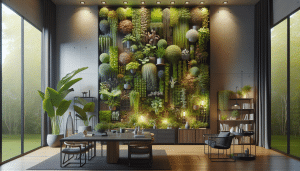
Vertical gardening is a game-changer for those looking to optimize every inch of a small outdoor area. Installing living walls, shelving, or trellises provides surfaces for flowers, herbs, or even salad greens. Hanging baskets suspended from porches or pergolas also add a lush, layered effect without sacrificing ground space. Wall-mounted planters painted in light shades can reflect sunlight and brighten shadowy corners. By thinking upward as well as outward, gardeners create the illusion of abundance in limited quarters, making the garden both practical and pleasing.
Strategic use of fencing and screens helps make vertical gardening more effective and private. Wooden lattices or tension wire systems support climbing roses, beans, or sweet peas, while offering a subtle screen from neighboring properties. Try mixing flowering vines with evergreen climbers, ensuring year-round interest and privacy. Mount tool racks or fold-away benches on fences to free up space at ground level. Smart vertical features keep clutter off the ground, maintaining order and making the space look peaceful and intentional.
Incorporate shelving into your garden walls for displaying everything from potted succulents to lanterns or decorative stones. Weatherproof floating shelves hold small plants where sunlight is plentiful and can be easily rearranged according to the season. Even a basic brick wall becomes a mini-botanical showcase when adorned with stacked planters or creative containers. Vertical and hanging gardens provide simple solutions for maximizing greenery and charm, while remaining accessible for maintenance and year-round change.
Multifunctional Garden Furniture and Storage
Smart garden furniture is a must for making the most of compact spaces. Look for benches with hidden storage, folding chairs, and stackable tables that can be put away after use. Raised beds with built-in seating offer comfort and practical planting space along the perimeter. Tables that double as planters or fire pits can serve both aesthetic and entertainment purposes. These solutions support daily relaxation and social gatherings without cluttering precious real estate, ensuring the area feels open and inviting.
Slimline storage sheds, wall hooks, and shelving keep tools, hoses, and gardening supplies off pathways and out of sight. Even a sturdy outdoor ottoman can be used for stowing cushions or hand trowels. Vertical bike racks or slim cabinets make it possible to tuck sports equipment or seasonal décor into unobtrusive corners. Organization is key; keeping items accessible yet out of view helps preserve a tranquil, tidy impression.
Choose lightweight, movable furniture that adapts to different activities, from quiet reading to hosting friends. Materials like resin, powder-coated steel, or weather-treated woods are both durable and easy to shift as needed. When not in use, stack chairs or nest tables to instantly expand usable space. Select all-in-one solutions to keep maintenance easy. By planning for dual-purpose design, you can enjoy comfort, beauty, and flexibility, no matter the garden’s footprint.
Incorporate Lighting and Sensory Elements
Lighting plays a crucial role in how you enjoy your garden at dusk or dawn. Sting lights, solar lanterns, and discreet spotlights can all highlight features and open up a sense of depth after dark. Placing lights under benches, within vegetation, or along pathways creates gentle shadows and guides the eye, making space feel larger and more welcoming. Solar-powered fixtures reduce energy consumption and simplify installation. Thoughtful lighting brings out the best in intimate gardens, extending usability and enhancing safety.
Sensory features, such as water elements, fragrant plants, or textured foliage, transform small gardens into true retreats. Bubbling fountains mask nearby noise and add movement, while scented blooms like lavender or jasmine invite relaxation. Place tactile plants—like soft lamb’s ear or ornamental grasses—along paths to provide a calming experience as you walk or sit. Even a small potted water garden adds an oasis-like feel, demonstrating that sensory garden design doesn’t require a sprawling estate to be effective.
Auditory enhancements, including gentle wind chimes or rustling bamboo, inject background music into everyday routines outside. Mirrors or metallic ornaments also reflect sunlight, creating sparkling highlights that shift throughout the day. By focusing on sound, scent, texture, and sight, gardens become immersive spaces, no matter their size. Simple attention to sensory details helps residents feel more connected to nature, turning limited areas into peaceful refuges for recharging and creative inspiration alike.
Maintain Simplicity and Flow
A clean, uncluttered layout is essential for small garden spaces. Resist the urge to overfill borders or choose too many contrasting materials. Simplify color palettes and plant combinations to create a balanced, harmonious atmosphere. Use symmetry or repetition—matching containers, paired seating, identical light fixtures—to unify different zones and direct movement through the garden. Thoughtful editing helps showcase what’s special, allowing both plants and hardscape features to shine.
Keeping paths wide enough for easy navigation, even between densely planted beds, is important. Narrow walkways make spaces appear smaller and more chaotic. Invest in defined boundaries, such as edging stones or low fences, for a polished appearance that’s easy to maintain. Mulch or gravel underfoot keeps weeds at bay and surfaces neat—critical for sustaining the serene effect of a well-planned garden retreat.
Regular maintenance, including pruning, deadheading, and tidying storage areas, keeps the garden healthy and attractive throughout the seasons. Develop a weekly routine to monitor plant growth and address any emerging issues before they become overwhelming. Simple habits protect the investment of time and creativity that goes into crafting a garden sanctuary. In the end, clear design, deliberate choices, and attentive care combine to make small gardens feel as rewarding and spacious as much larger landscapes.
References
1. Royal Horticultural Society. (n.d.). Make a small garden seem bigger. Retrieved from https://www.rhs.org.uk/garden-inspiration/small-garden-design
2. University of Illinois Extension. (n.d.). Small space gardening. Retrieved from https://extension.illinois.edu/gardening/small-space-gardening
3. Better Homes & Gardens. (n.d.). Ideas for making a small garden feel larger. Retrieved from https://www.bhg.com/gardening/yard/garden-care/small-garden-ideas
4. Cornell University College of Agriculture and Life Sciences. (n.d.). Maximizing small garden spaces. Retrieved from https://gardening.cals.cornell.edu/lessons/cultivating-in-small-spaces
5. The Old Farmer’s Almanac. (n.d.). Small garden design tips. Retrieved from https://www.almanac.com/content/how-make-small-garden-look-bigger
6. Gardening Solutions, University of Florida IFAS. (n.d.). Designing a small garden. Retrieved from https://gardeningsolutions.ifas.ufl.edu/design/types-of-gardens/small-space-gardening.html

 Why You’re Seeing So Many Extreme Weather Headlines