You Deserve a Greener Home Inside and Out
Thomas Blake December 1, 2025
Ever wondered how a few changes could transform your living space and garden into more eco-friendly, comfortable environments? This guide reveals evidence-backed, sustainable home improvements and garden ideas that help you boost comfort, cut costs, and create a healthier place to live.
Understanding Sustainable Home Improvements
Creating a greener home starts with choosing sustainable improvements that make a genuine difference. From energy-efficient windows to eco-friendly insulation, modern solutions can help reduce household energy consumption, lower utility bills, and enhance comfort. Simple upgrades—like efficient lighting or using recycled building materials—are accessible ways to reduce carbon footprints and foster a healthier indoor environment. Many homeowners find that focusing on sustainability not only benefits the environment but offers immediate day-to-day rewards as well. https://www.epa.gov/energy
It’s worth exploring how green technologies integrate with existing systems at home. Solar panels, smart thermostats, and water-saving fixtures are examples of upgrades that provide a sustainable edge. These technologies can help regulate temperature, optimize water usage, and harness natural energy. While the initial investment may seem substantial, long-term savings and increased property value can offset upfront costs. Many users consider incentives or rebates available for eco-friendly updates, which further enhance their practicality.
Making sustainable changes doesn’t require a top-to-bottom renovation. Small steps, like switching to LED bulbs or installing programmable thermostats, immediately contribute to energy savings. Over time, these improvements can be expanded upon, from sourcing local building materials to investing in renewable energy. Each decision adds up, helping transform a traditional living space into an eco-friendly haven that supports well-being and responsible stewardship of resources.
Creating an Eco-Friendly Garden Sanctuary
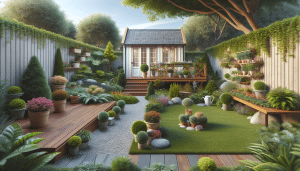
An eco-friendly garden starts with thoughtful plant selection and sustainable landscaping. Native and drought-tolerant plants require less water, resist pests, and thrive with minimal intervention. Organic gardening practices—such as composting, mulching, and natural pest control—help maintain balanced soil and reduce reliance on chemicals. These steps not only enhance the beauty of your garden but align with broader efforts to promote biodiversity and conserve water. https://www.fs.fed.us/wildflowers/Native_Plant_Materials/index.shtml
Gardeners often achieve significant results by adopting rainwater harvesting systems and drip irrigation. These methods direct water precisely where it’s needed, minimizing waste and supporting plant health. Many garden enthusiasts incorporate recycled materials such as reclaimed wood for raised beds or pebbles for paths, giving outdoor spaces a rustic touch while saving resources. Gardening with sustainability in mind also encourages wildlife, attracting pollinators and beneficial insects for a thriving ecosystem.
Integrating permaculture concepts offers additional opportunities for a self-sustaining garden. Companion planting, crop rotation, and creating mini-ecosystems within your yard can improve soil health and food production. These techniques are practical, scalable, and well-suited to both small and large spaces. Ultimately, an eco-friendly garden is not just about aesthetics—it becomes a living, breathing part of the effort toward a greener home.
Improving Indoor Air Quality Naturally
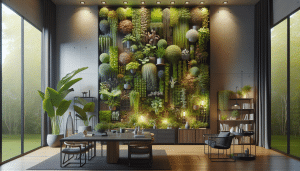
Indoor air quality greatly impacts household wellness. Adding houseplants like spider plants or peace lilies helps filter toxins such as formaldehyde or benzene, leading to fresher, cleaner air. Using low-VOC (volatile organic compound) paints, natural cleaning products, and eco-conscious flooring materials also contributes to a healthier indoor environment. These relatively manageable changes can lower exposure to pollutants and provide peace of mind for both people and pets. https://www.epa.gov/indoor-air-quality-iaq
Ventilation is key to maintaining healthy air indoors. Modern mechanical systems such as heat recovery ventilators (HRVs) ensure fresh air circulation while retaining energy efficiency. In climates where this isn’t feasible, simply opening windows daily helps remove stale air and let natural light stream inside. Additionally, keeping HVAC systems clean and changing filters regularly prevents dust, pollen, and allergens from accumulating, substantially improving air quality.
Consider minimizing sources of indoor pollution: avoid synthetic fragrances, limit use of chemical-based products, and store solvents or paints safely away from living spaces. Homeowners also find that incorporating natural materials—like hardwood, cork, or bamboo flooring—reduces potential off-gassing compared to traditional synthetic products. Combined, these strategies foster a home environment that feels vibrant, fresh, and nurturing without sacrificing style or comfort.
Cost-Effective Strategies for Energy Savings
Cutting home energy costs doesn’t always require expensive upgrades. Sealing drafty doors and windows, adding insulation in the attic, and installing weather stripping can make a substantial difference. Many utility companies provide home energy audits at reduced rates or even for free to help identify areas where efficiency can be improved. Simple steps add up: lowering your thermostat during winter and using fans instead of air conditioning during summer can lead to consistent energy savings. https://www.energy.gov/energysaver/energy-saver
Switching to Energy Star-rated appliances further supports an energy-efficient lifestyle. These appliances use advanced technology to deliver the same performance as traditional models while using significantly less energy and water. Homeowners looking to save even more may consider installing solar panels or signing up for renewable energy programs offered by their utilities. Although the upfront cost can be higher, over time these investments help reduce monthly expenses and increase a property’s attractiveness to future buyers.
Lighting choices have an impact too. LEDs and compact fluorescent lights (CFLs) outlast traditional bulbs and consume a fraction of the electricity. Smart power strips and programmable switches help minimize “phantom” electricity use from devices left plugged in. Being mindful about energy consumption habits—like unplugging chargers or using cold water cycles for laundry—can bring down bills with minimal effort. Many find these measures easy to adopt for immediate and ongoing returns.
Water Conservation at Home and in the Garden
Water conservation starts with practical techniques for both inside and outside the home. Low-flow faucets, showerheads, and toilets significantly reduce water usage without sacrificing performance. In the garden, soaker hoses, drip irrigation, and mulching help ensure water reaches plant roots where it’s needed most. Rain barrels capture runoff for garden use, decreasing reliance on municipal water supplies and providing plants with soft, untreated water. https://www.epa.gov/watersense
Fixing leaks and being attentive to water waste is crucial. Even a slow-dripping faucet can add up to gallons of wasted water daily. Fixing or replacing faulty fixtures can often be a do-it-yourself project. In the garden, choosing drought-resistant landscaping reduces irrigation needs. Many individuals explore xeriscaping, which uses stone, native plants, and minimal turf to conserve water while creating visually appealing outdoor spaces.
Adopting mindful habits—like turning off the tap while brushing teeth, running dishwashers only when full, and collecting excess water for houseplants—helps conserve water throughout the home. Installing smart irrigation controllers in the garden can adjust watering schedules automatically, optimizing savings. Taken together, these efforts serve not only to lower bills but also to preserve a shared natural resource for the whole community.
Transforming Outdoor Living Spaces Sustainably
Outdoor living areas can be designed with sustainability in mind. Using reclaimed or locally sourced materials for decks, patios, and furniture helps lower the carbon footprint while adding unique character. Green roofs, living walls, and permeable pavers further enhance outdoor spaces, manage stormwater runoff, and create mini habitats for birds and pollinators. These strategies foster biodiversity and can transform even the smallest yard or balcony into a functional oasis. https://www.nrcs.usda.gov/resources/guides-and-instructions/landscape-conservation-initiatives
Comfortable and sustainable outdoor spaces invite relaxation and community gatherings. Shade trees, trellises with climbing vines, and native shrubs can be strategically placed to offer cooling shade and privacy. Solar-powered lights illuminate walkways efficiently, and rain gardens help filter stormwater before it enters local waterways. Homeowners and renters alike can take advantage of container gardening, using recyclable pots to grow herbs and vegetables even in compact spaces.
If entertaining is important, consider using outdoor kitchens or fire pits made from recycled stone or brick. Eco-friendly grills that use natural gas or electricity reduce air pollution. Maintenance choices matter too—using electric or manual lawn equipment creates less noise and emissions than gas-powered alternatives. These actions transform yards into lively extensions of the home while supporting broader goals of environmental responsibility and neighborhood resilience.
References
1. United States Environmental Protection Agency. (n.d.). Energy Efficiency at Home. Retrieved from https://www.epa.gov/energy
2. U.S. Forest Service. (n.d.). Native Plant Materials. Retrieved from https://www.fs.fed.us/wildflowers/Native_Plant_Materials/index.shtml
3. United States Environmental Protection Agency. (n.d.). Indoor Air Quality (IAQ). Retrieved from https://www.epa.gov/indoor-air-quality-iaq
4. U.S. Department of Energy. (n.d.). Energy Saver Guide. Retrieved from https://www.energy.gov/energysaver/energy-saver
5. United States Environmental Protection Agency. (n.d.). WaterSense. Retrieved from https://www.epa.gov/watersense
6. USDA Natural Resources Conservation Service. (n.d.). Landscape Conservation Initiatives. Retrieved from https://www.nrcs.usda.gov/resources/guides-and-instructions/landscape-conservation-initiatives

 Discover How Social Media Transforms Breaking News