Gardening Techniques That Encourage Plant Growth
Thomas Blake September 19, 2025
Gardening techniques that encourage plant growth are evolving rapidly in 2025. From regenerative soil practices to smart sensors, gardeners now have access to methods that maximize yield naturally. This article explores the latest trends shaping modern gardening and how you can apply them in your own green space.
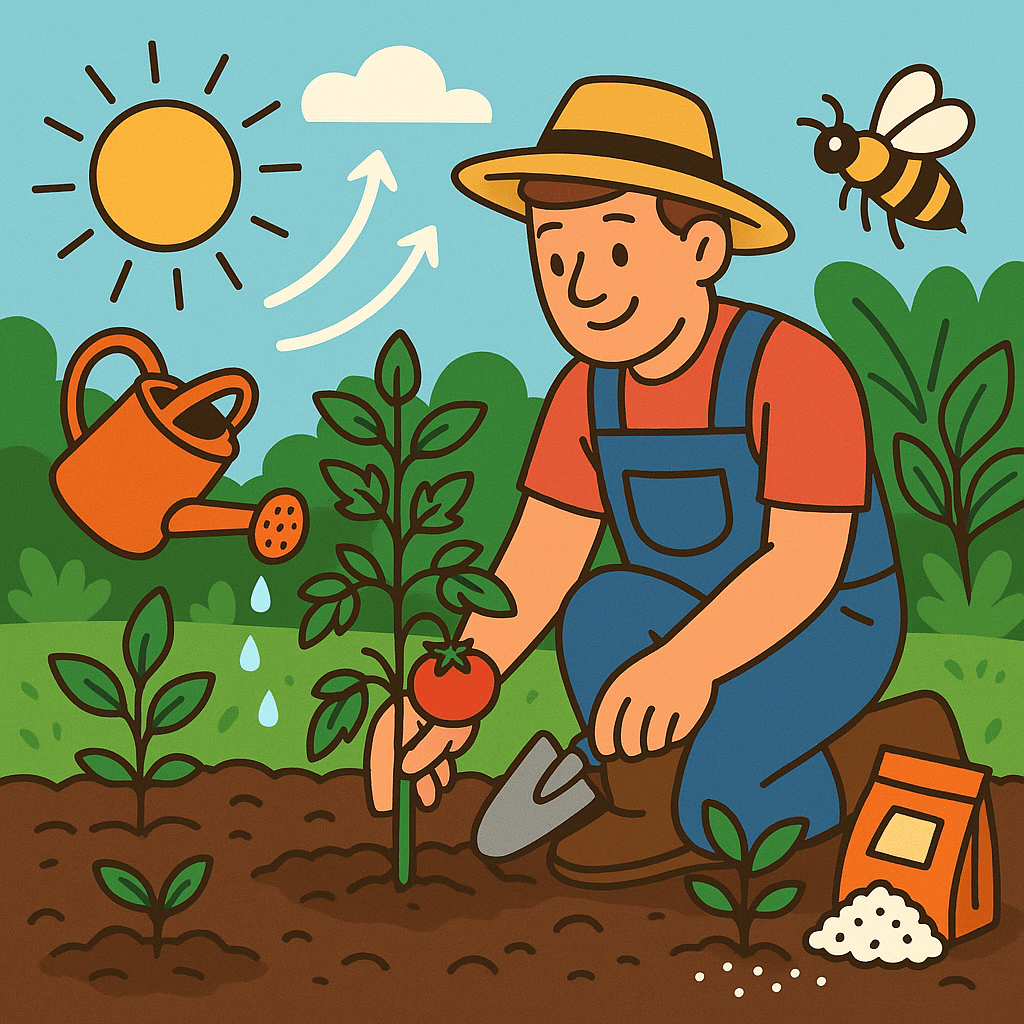
Why Gardening Techniques That Encourage Plant Growth Matter
Healthy plant growth depends on soil, water, and light. Yet with climate change and soil depletion, traditional approaches aren’t enough anymore. Home gardeners and farmers alike are adopting innovative techniques that accelerate growth, improve resilience, and boost nutrient density.
Recent studies show that integrating sustainable methods can increase yields by up to 78% while reducing the need for synthetic fertilizers (Food and Agriculture Organization 2022). This shift highlights why adopting modern gardening practices is both eco-friendly and cost-effective.
Hot Trend #1: Biochar Soil Enhancement
Biochar, a charcoal-like substance made from organic matter, is making waves among gardeners in 2025. When added to soil, biochar improves water retention, balances pH, and boosts microbial activity.
- Water savings: Biochar helps soil retain up to 25% more water.
- Nutrient retention: It locks in essential minerals, reducing fertilizer runoff.
- Long-term benefit: Unlike compost, biochar remains in the soil for centuries.
According to Cornell University research, biochar can significantly increase crop productivity, especially in nutrient-poor soils (Lehmann and Joseph 2015).
Hot Trend #2: Vertical Gardening with Smart Irrigation
Urban gardeners are turning to vertical farming setups to maximize space. Paired with smart irrigation systems, these gardens encourage faster plant growth while conserving water.
- Space optimization: Vertical walls or tower gardens allow more plants per square foot.
- Hydroponic and aeroponic systems: Nutrient-rich water solutions replace soil, accelerating growth.
- AI-powered watering: Smart sensors monitor soil moisture, adjusting irrigation automatically.
A 2023 report by MarketsandMarkets projects vertical farming will grow into a 30 billion dollars industry by 2030, largely because it produces crops 3–4 times faster than traditional soil-based methods (MarketsandMarkets 2023).
Hot Trend #3: Companion Planting for Natural Growth Boost
Companion planting—growing different plants together for mutual benefit—is seeing a resurgence in 2025. Gardeners are combining species strategically to encourage plant growth without chemicals.
Examples include:
- Tomatoes + Basil: Basil enhances tomato flavor and deters pests.
- Carrots + Onions: Onions repel carrot flies, while carrots aerate the soil.
- Corn + Beans + Squash (“Three Sisters” method): A traditional Indigenous technique where corn provides support, beans fix nitrogen, and squash shades the soil.
Research confirms that companion planting increases biodiversity and boosts yield while reducing the risk of disease (The Royal Horticultural Society 2022).
Hot Trend #4: Regenerative Soil Practices
Instead of relying on chemical fertilizers, regenerative gardening restores soil health naturally. These practices encourage plant growth while improving long-term fertility.
Key methods include:
- Cover cropping: Using plants like clover to protect and enrich soil.
- Mulching: Retains moisture and prevents weed growth.
- Reduced tilling: Preserves soil structure and microbial life.
A study published in Nature Sustainability found that regenerative practices can increase soil organic carbon by up to 20%, directly boosting plant productivity (Lal 2020).
Hot Trend #5: Mycorrhizal Fungi Integration
In 2025, more gardeners are inoculating their soil with mycorrhizal fungi. These microscopic organisms form symbiotic relationships with plant roots, enhancing nutrient uptake.
- Phosphorus absorption: Fungi increase plant access to vital nutrients.
- Drought resistance: Plants become more resilient under water stress.
- Reduced fertilizer dependence: Healthy fungi networks reduce chemical needs.
According to the Soil Science Society of America, mycorrhizal fungi can expand root absorption capacity by up to 700%, dramatically improving growth rates (Smith and Read 2008).
Hot Trend #6: AI-Powered Gardening Assistants
Technology is playing a larger role in gardening. Apps and devices now provide real-time recommendations for watering, fertilizing, and pest control.
- AI soil scanners analyze pH and nutrient content.
- Drone monitoring detects plant stress early.
- Predictive models forecast yield and suggest adjustments.
These innovations align gardening with precision agriculture, making advanced techniques available to everyday gardeners.
Practical Guide: How to Apply These Techniques at Home
Here’s how you can adopt these gardening techniques that encourage plant growth today:
1. Start with soil health
Healthy soil is the foundation of any thriving garden. Begin by enriching it with compost made from kitchen scraps and yard waste—this adds essential nutrients while improving texture. Incorporating biochar not only boosts fertility but also helps retain water and reduces nutrient loss, giving your plants a more stable environment over the long term.
2. Adopt vertical methods
If you’re short on outdoor space, vertical gardening is your best friend. Hydroponic tower gardens or wall-mounted planters allow you to grow herbs, leafy greens, or even strawberries in compact areas. These systems also make maintenance easier and can produce higher yields compared to traditional ground beds.
3. Plan companions strategically
Don’t underestimate the power of plant partnerships. Companion planting is a natural way to control pests and encourage growth. For instance, basil can enhance tomato flavor while deterring insects, and marigolds release compounds that repel nematodes. By planning smartly, you create a self-sustaining ecosystem right in your backyard.
4. Mulch consistently
Mulching is more than just a cosmetic touch. A layer of organic mulch—such as straw, shredded leaves, or grass clippings—locks in soil moisture, regulates temperature, and suppresses weeds. Over time, it breaks down and adds organic matter back into the soil, feeding your plants while protecting their roots.
5. Boost soil biology
Plants thrive when surrounded by beneficial microbes. You can enhance soil biology by inoculating with mycorrhizal fungi, which expand root systems, or by applying microbial teas brewed from compost. These living additions increase nutrient uptake, improve resilience, and create healthier soil ecosystems.
6. Leverage tech tools for precision
Modern gardeners have the advantage of technology. Smart moisture sensors help you water only when needed, preventing waste and root rot. AI-powered gardening apps can analyze soil data, weather patterns, and plant health, offering real-time recommendations to optimize growth. This means less guesswork and more predictable harvests.
The Future of Gardening Growth Techniques
By 2030, the fusion of technology with natural processes will dominate gardening. We’ll see hybrid methods—like AI-managed regenerative gardens—that maximize yield while restoring ecosystems.
For home gardeners, this means more food grown in smaller spaces, with fewer inputs, and at lower cost. By adopting today’s emerging trends, you’re setting your garden up for a healthier and more sustainable future.
Conclusion
Gardening techniques that encourage plant growth are transforming the way we grow food. From biochar to AI assistants, the trends shaping 2025 emphasize sustainability, efficiency, and natural resilience. Whether you’re a beginner or an experienced gardener, integrating these practices will help your plants thrive while protecting the planet.
References
- Royal Horticultural Society. (2023) How to improve soil for better plant growth. Available at: https://www.rhs.org.uk/soi (Accessed: 19 September 2025).
- American Horticultural Society. (2022) Essential gardening techniques for healthy plant growth. Available at: https://ahsgardening.org/essential (Accessed: 19 September 2025).
- University of Minnesota Extension. (2021) Fertilizing and watering strategies for optimal plant health. Available at: https://extension.umn.edu/ (Accessed: 19 September 2025).

 How EdTech Platforms Encourage Lifelong Learning