Fitness Plans That Encourage Healthy Aging
Emily Ward September 23, 2025
Healthy aging isn’t just about adding years to life—it’s about adding life to years. Fitness plans that encourage healthy aging are evolving rapidly, blending science with lifestyle strategies to keep people stronger, sharper, and more independent for longer.
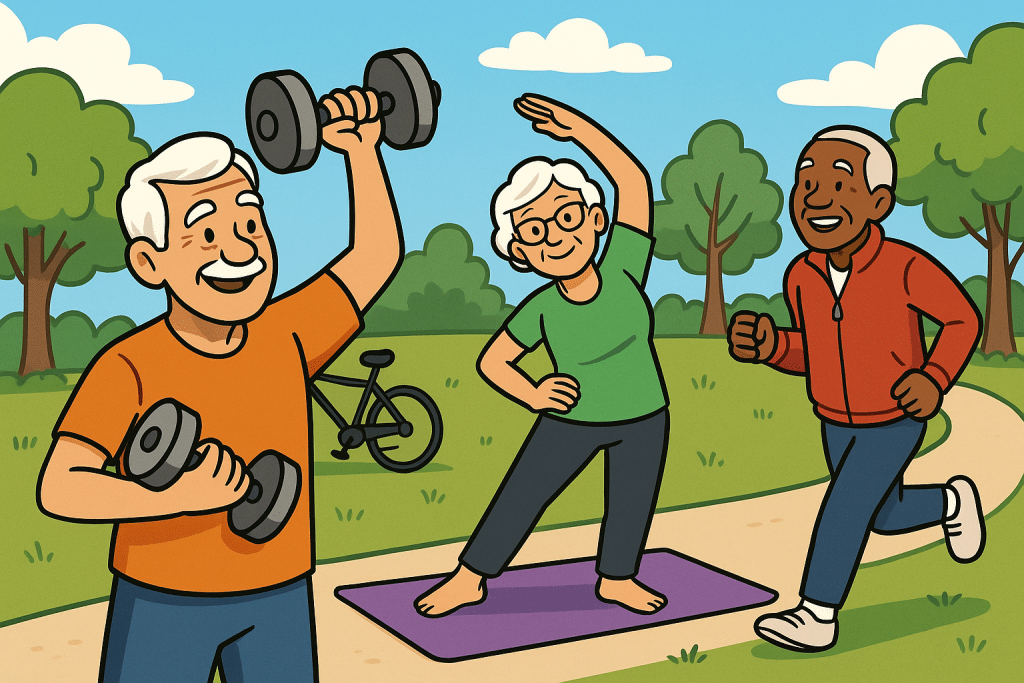
Why Fitness Matters More as We Age
Aging naturally brings physical changes: reduced muscle mass, slower metabolism, and decreased bone density. Without intervention, these changes increase the risk of falls, chronic disease, and loss of independence.
Studies show that regular exercise reduces the risk of cardiovascular disease, type 2 diabetes, and certain cancers while also improving mood and cognitive function (World Health Organization 2022). Fitness isn’t optional for healthy aging—it’s essential.
Hot Trend #1: Functional Fitness for Everyday Independence
Functional fitness is becoming the backbone of fitness plans that encourage healthy aging. Instead of focusing only on weight loss or muscle bulk, functional training emphasizes movements that mimic real-life activities: lifting groceries, climbing stairs, or getting up from a chair.
- Squats and lunges support mobility.
- Core training improves balance.
- Resistance band exercises preserve strength.
A review published in the Journal of Aging and Physical Activity found that functional exercise reduces fall risk by up to 23% among older adults (Sherrington et al. 2020).
Hot Trend #2: Strength Training Isn’t Just for the Young
Strength training is no longer considered “risky” for older adults. Instead, it’s now seen as one of the most powerful anti-aging tools. According to Harvard Medical School, older adults who engage in resistance training at least twice per week significantly improve bone health and prevent age-related muscle loss (Harvard Health Publishing 2021).
Popular strength-based plans for older adults include:
- Bodyweight workouts (push-ups, wall sits, modified planks).
- Resistance bands for joint-friendly training.
- Low-weight, high-rep dumbbell routines to maintain endurance.
Hot Trend #3: Hybrid Fitness – Blending Cardio, Balance, and Mindfulness
Many fitness plans that encourage healthy aging now combine traditional exercise with mental wellness practices. This approach acknowledges the mind-body connection.
Examples include:
- Yoga and Tai Chi for balance, flexibility, and stress reduction.
- Dance-based cardio to stimulate both the body and brain.
- Interval walking programs that mix brisk and slow walking to improve cardiovascular health without overstraining joints.
A 2023 study in Frontiers in Public Health highlighted that older adults practicing Tai Chi improved not just physical balance but also cognitive performance compared to those doing standard exercise (Zou et al. 2023).
Hot Trend #4: Tech-Supported Aging Fitness Plans
Technology is reshaping how older adults stay fit. From wearable trackers to AI-driven coaching, digital tools personalize workouts and provide real-time feedback.
- Wearables like Fitbit or Apple Watch track heart rate and movement.
- Virtual fitness classes give access to trainers without leaving home.
- AI-driven apps adapt routines based on progress and limitations.
A report from the American Council on Exercise noted that tech-based fitness programs improved adherence among older adults by 38%, compared to traditional gym-based routines (ACE 2022).
Hot Trend #5: Social Fitness and Community Programs
Social connection is vital for longevity. Group exercise programs, whether in person or online, foster accountability and fight loneliness—a major risk factor for older adults.
SilverSneakers, a program covered by many Medicare plans, is a prime example. It combines fitness with social engagement, making exercise enjoyable and sustainable for millions of seniors across the U.S.
Building Your Own Fitness Plan That Encourages Healthy Aging
Creating a fitness plan that supports healthy aging isn’t about pushing your body to extremes. It’s about building a safe, sustainable routine that keeps you strong, mobile, and energized over time. Experts suggest blending different types of exercise so you cover strength, endurance, flexibility, balance, and mental well-being.
Start with functional strength.
Movements like squats, lunges, push-ups, and light weightlifting mimic everyday actions such as sitting, standing, carrying groceries, or climbing stairs. These exercises help maintain muscle mass, protect your joints, and reduce the risk of falls. Start slow, with bodyweight or light resistance, and increase gradually.
Add regular cardio.
Walking, cycling, or swimming at a moderate pace boosts heart health and supports weight management. Aim for at least 150 minutes per week, broken into manageable sessions. If long workouts feel overwhelming, even short 10–15 minute brisk walks after meals can make a big difference.
Don’t forget flexibility.
As we age, joints and muscles naturally stiffen, which can limit mobility. Yoga, Pilates, or dedicated stretching sessions two or three times a week can improve range of motion, relieve stiffness, and prevent injuries. A simple morning stretch routine can set the tone for the day.
Prioritize balance drills.
Falls are one of the leading causes of injury among older adults. Simple exercises like standing on one leg while brushing your teeth, heel-to-toe walking, or practicing with a balance board can improve coordination and stability. These small additions go a long way in protecting independence as you age.
Mix in mindfulness.
Stress doesn’t disappear with age—it often increases. Incorporating meditation, breathing exercises, or practices like Tai Chi not only lowers stress levels but also improves mental clarity and supports better sleep. A calm mind helps the body recover and stay resilient.
Finally, consult your healthcare professional before beginning any new exercise routine, especially if you live with chronic conditions like arthritis, diabetes, or cardiovascular issues. A doctor or physical therapist can help you adapt exercises safely to your needs.
Building your own fitness plan is less about following a strict formula and more about finding a rhythm you can keep up with. Consistency beats intensity every time when it comes to aging well.
Conclusion
Fitness plans that encourage healthy aging are shifting from “no pain, no gain” to “move well, live well.” Functional strength, hybrid training, and tech-enabled programs are giving older adults the tools to stay independent, vibrant, and socially connected. The future of aging is not about slowing down—it’s about moving smarter.
References
- National Institute on Aging. (2021) Exercise and Physical Activity: Your Everyday Guide from the National Institute on Aging. Available at: https://www.nia.nih.gov/health/ (Accessed: 23 September 2025).
- World Health Organization. (2020) Physical activity. Available at: https://www.who.int (Accessed: 23 September 2025).
- Harvard Health Publishing. (2022) The best exercises for healthy aging. Available at: https://www.health.harvard.edug (Accessed: 23 September 2025).

 Smart Finance Tools That Simplify Daily Budgeting