Smart Finance Tools That Simplify Daily Budgeting
Jonathan Reed September 23, 2025
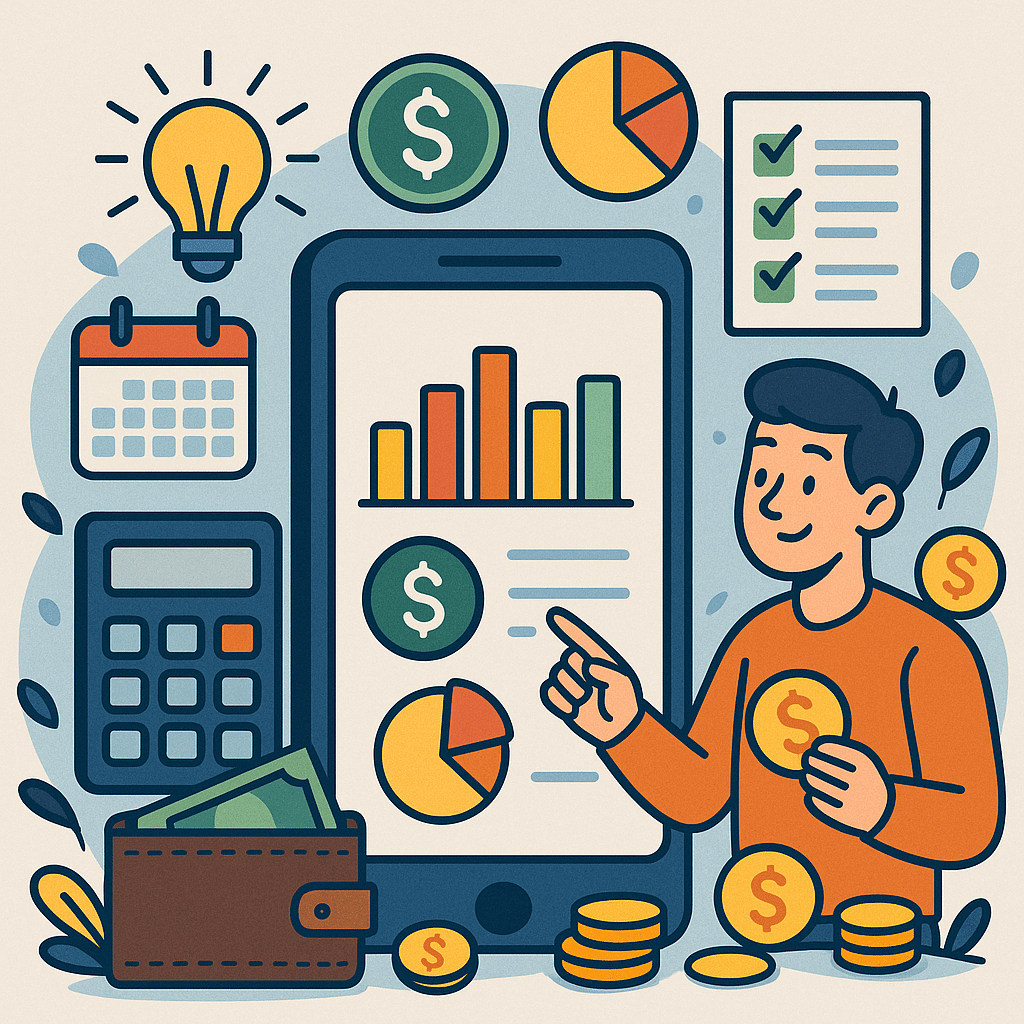
Managing money used to be stressful—spreadsheets, receipts, and constant mental math. Today, smart finance tools that simplify daily budgeting are changing the way people control their money. From AI-powered apps to connected bank accounts, these tools make budgeting automatic, accurate, and even enjoyable.
Why Daily Budgeting Needs a Makeover
Traditional budgeting methods relied heavily on discipline: tracking every expense and manually balancing accounts. In 2025, consumers face challenges like rising living costs, flexible gig incomes, and subscription-based spending. According to a recent survey, 64% of Americans now live paycheck to paycheck—even those earning six figures (LendingClub, 2023). Clearly, new solutions are needed.
Smart finance tools step in by:
- Automating expense tracking.
- Providing real-time insights into spending habits.
- Predicting future expenses using AI.
- Encouraging saving with built-in reminders and round-up features.
The Rise of AI-Powered Budgeting Apps
Artificial intelligence has entered personal finance in a big way. Apps like Cleo, Monarch Money, and YNAB (You Need A Budget) now use machine learning to offer tailored financial advice.
- Cleo uses AI-driven chat to coach users on spending and saving.
- Monarch Money provides forecasting tools that project cash flow months in advance.
- YNAB applies a zero-based budgeting model, automatically adjusting categories when unexpected expenses arise.
McKinsey reports that AI adoption in financial services has grown by 60% since 2020, with personal finance apps leading the trend (McKinsey, 2022). These platforms are not just trackers—they act like digital financial advisors in your pocket.
Subscription Management: Killing the “Invisible Drain”
One of the biggest money leaks today comes from forgotten subscriptions. Streaming services, meal kits, apps, and memberships can silently eat away at a budget.
Enter smart finance tools like Truebill (now Rocket Money) and Bobby. These apps scan linked accounts to identify recurring charges and even cancel unwanted subscriptions on your behalf.
For example, Rocket Money claims its average user saves 720 dollars per year by eliminating unnecessary subscriptions (Rocket Money, 2023). That’s the kind of automation people need in an economy where every dollar matters.
The Power of Connected Bank Accounts
Modern budgeting tools no longer work in isolation. Open banking regulations in the US and EU have unlocked new integrations. Apps like Mint, PocketGuard, and Goodbudget directly sync with checking, savings, and credit accounts, updating in real time.
Benefits include:
- Instant expense categorization – groceries, utilities, entertainment.
- Cash flow tracking – know exactly how much remains after bills.
- Alerts – warnings when bills are due or balances are low.
According to Accenture, 71% of banking customers now expect personalized financial insights from their banks or third-party apps (Accenture, 2023). Connected accounts make that possible.
Gamification: Turning Budgeting Into a Challenge
Saving money doesn’t have to feel like a punishment. Smart tools now use gamification to encourage positive habits.
- Qapital lets users set “rules,” like saving 5 dollars every time they skip a coffee.
- Plum uses round-ups and AI to sneak savings into a virtual jar.
- Koho (Canada) gives cashback on everyday purchases, instantly visible in the app.
By framing budgeting as a challenge or reward system, these tools make financial discipline feel fun and achievable.
Budgeting for the Gig Economy
More than 36% of US workers now participate in the gig economy, earning irregular income from platforms like Uber, DoorDash, or freelance marketplaces (Statista, 2023). Traditional budgeting tools struggle with unpredictable cash flow.
Smart finance apps now cater to this reality.
- Albert advances money between gigs to prevent overdraft fees.
- Honeydue helps couples in flexible-income households manage joint expenses.
- Monzo (UK) automatically splits income into “spend,” “save,” and “bills” categories upon deposit.
These tools reduce stress for people whose incomes don’t follow a steady paycheck cycle.
The Future: AI + Automation + Financial Wellness
Looking ahead, smart finance tools that simplify daily budgeting will likely integrate even deeper into daily life:
- Voice assistants like Alexa and Google Home offering budget updates on demand.
- Wearables that track not just steps but spending triggers (like emotional purchases).
- Employer-based budgeting perks that deposit part of salaries directly into savings.
As fintech innovation grows, these apps may evolve into preventative tools, helping people avoid financial mistakes before they happen—like predicting overdrafts or flagging when spending is higher than usual.
Practical Guide: Choosing the Right Budgeting Tool
Picking the right smart finance app isn’t just about downloading the first one you see in the app store. Each tool has its own strengths, and the right choice depends on your lifestyle and financial habits. Here’s how to narrow it down:
1. Check compatibility
Start with the basics. Does the app connect seamlessly with your bank, credit cards, and mobile money accounts? If it can’t pull in your real-time transactions, you’ll spend more time updating than budgeting. For example, apps like Mint in the U.S. or Fido in Africa stand out because they integrate with local banks.
2. Look for automation
Manual entry gets old fast. A good budgeting tool should categorize your expenses automatically—groceries, bills, entertainment—without you lifting a finger. The less effort you spend typing in numbers, the more consistent you’ll be in tracking.
3. Prioritize security
You’re trusting this app with sensitive financial data. Make sure it uses bank-level encryption, two-factor authentication, and has a good track record with privacy. If an app doesn’t clearly explain its security features, that’s a red flag.
4. Seek extra features
Some apps go beyond budgeting and act like your personal money assistant. Look for perks such as:
- Subscription tracking (so you’re not paying for three streaming services you don’t use).
- Bill reminders that help you avoid late fees.
- Savings automation, where small amounts are tucked away weekly without you noticing.
5. Test user experience
Design matters. If the app feels clunky, you won’t stick with it. Choose one with a clean interface, simple navigation, and reports that make sense at a glance. Think about it like the gym: the one you enjoy is the one you’ll actually use.
6. Match it to your goals
Your financial needs shape the right choice. If you’re focused on getting out of debt, go for an app with strong debt repayment features. If your priority is long-term investing, pick one that includes portfolio tracking. Students, freelancers, and families may each need different tools.
Conclusion
Smart finance tools that simplify daily budgeting are no longer a luxury—they’re becoming essential. With inflation rising and financial stress at all-time highs, people need technology that keeps money management automatic and stress-free.
From AI-driven insights to subscription-killing apps, these tools are reshaping the way individuals manage money. In 2025, budgeting doesn’t have to feel like a chore—it can be as simple as checking your notifications.
References
- CNBC. (2023) Best budgeting apps to manage your money in 2023. Available at: https://www.cnbc.com (Accessed: 23 September 2025).
- NerdWallet. (2024) 7 Best budget apps for 2024. Available at: https://www.nerdwallet.com/ (Accessed: 23 September 2025).
- Forbes Advisor. (2023) The best budgeting apps for 2023. Available at: https://www.forbes.com/ (Accessed: 23 September 2025).

 Travel Destinations With Rich Historical Significance