Nutrition Tips That Support Energy and Focus
Emily Ward September 30, 2025
Every day, millions fight the crash after lunch or struggle to zero in on tasks. The secret weapon many are turning to today? A hybrid approach combining traditional nutrition wisdom with newer tools like adaptogens and nootropics to support sustained energy and mental focus. In this article, you’ll discover effective and science-backed nutrition strategies, practical tips, and emerging trends so you can keep your energy steady and your mind sharp—even on your busiest days.
Why Nutrition Matters for Focus and Energy
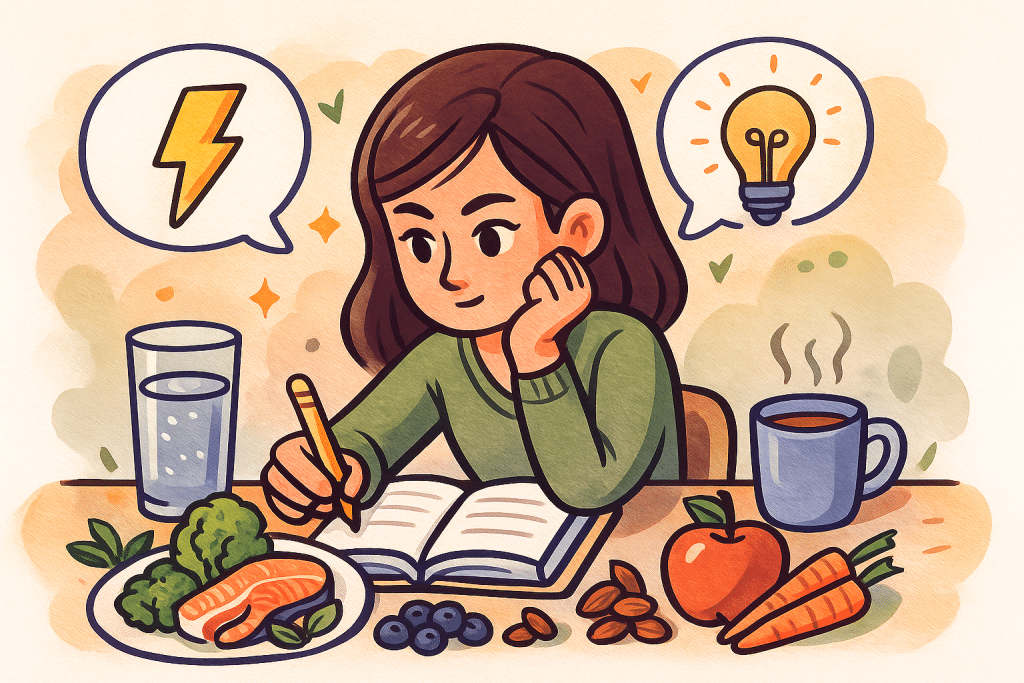
Before we examine the new trends, it’s important to reaffirm the basics: what you eat (and when) has a big effect on how your brain performs and how energized you feel.
- The brain uses glucose as its main fuel, but it needs a steady supply—spikes and crashes in blood sugar hurt focus.
- Nutrients like B vitamins, omega-3 fatty acids, magnesium, and antioxidants support neurotransmitter function and neuroprotection.
- Diets high in processed sugars and saturated fats are associated with energy crashes, inflammation, and poorer cognitive performance.
- Over the lifespan, what’s good for the heart is also good for the brain: diets rich in vegetables, legumes, whole grains, and healthy fats link to reduced cognitive decline.
So the foundation of “nutrition tips that support energy and focus” has always been about balance, nutrient density, and stable fueling. But now there’s a wave of new tools and trends that layer on top of that foundation.
Emerging Trend: Adaptogens & Nootropics in Everyday Nutrition
One of the hottest trends in cognitive nutrition is the use of adaptogens and nootropics—often in functional foods or drinks—to support stress resilience, focus, and sustained energy.
What Are Adaptogens & Nootropics?
- Adaptogens are plant-derived compounds believed to help the body adapt to stress, normalize physiological processes, and buffer against fatigue.
- Nootropics generally refer to substances that enhance cognitive functions like attention, memory, and executive control. These can be natural (e.g. L-theanine, citicoline) or synthetic.
- The lines between them sometimes blur: some adaptogens also exhibit nootropic effects (e.g. ginseng, rhodiola).
The Market Is Exploding
- In the food and beverage industry, new product launches containing adaptogens have had a five-year compound annual growth rate (CAGR) of 107%, while nootropics new product launches grew 41% over the same period.
- According to trend reports, functional ingredients supporting cognitive health are among the top nutrition megatrends, with brands embedding adaptogens and nootropics more boldly in their formulations.
What the Studies Show
- Some human trials and meta-analyses suggest adaptogens like ashwagandha, rhodiola, and ginseng can reduce fatigue, enhance attention, or improve cognitive performance under stress.
- For example, adaptogenic compounds may increase expression of brain-derived neurotrophic factor (BDNF), act on neurotransmitter systems (serotonin, dopamine), and exert antioxidant effects in neural tissue.
- That said, many existing studies are short-term, small-sample, or not yet fully conclusive, so the promise is exciting but should be approached thoughtfully.
How to Incorporate Them Wisely
- Opt for ingredients with more clinical backing (e.g. fermented ashwagandha, standardized ginseng extracts, bacopa).
- Use these compounds in combination with solid nutrition—not as a replacement.
- Begin with low doses and monitor how your body responds (energy, sleep, mood).
- Avoid stacking too many stimulatory nootropics (e.g. high-dose synthetic stimulants) that may provoke crash or jitteriness.
Practical Nutrition Tips to Support Energy & Focus
Here are reliable tactics—some classic, some trend-forward—that you can apply now.
1. Fuel with Smart Carbohydrates + Protein
- Choose complex carbohydrates (oats, sweet potatoes, legumes) that release glucose gradually, avoiding spikes and crashes.
- Pair carbs with lean protein and a bit of healthy fat (e.g. olive oil, nuts) to slow absorption and stabilize energy.
- Eat smaller, balanced meals or snacks every 3–4 hours rather than large, heavy meals that demand excessive energy for digestion.
2. Include Brain‑Supporting Fats & Micronutrients
- Omega-3 fatty acids (EPA, DHA) from fatty fish, algae, or flax are linked to improved neural function and anti-inflammatory effects.
- Antioxidant-rich foods such as berries, dark leafy greens, nuts, and colorful vegetables help protect against oxidative stress in brain tissue.
- Don’t overlook B vitamins, particularly B6, B9, and B12—they assist in methylation and neurotransmitter synthesis.
- Micronutrients like magnesium, iron, zinc, and iodine also play roles in energy metabolism and cognitive performance.
3. Use Adaptogens & Nootropics Judiciously
- If you’re experimenting, choose one adaptogen like ashwagandha, rhodiola, or ginseng, and track effects.
- For nootropics, consider natural options like L-theanine paired with caffeine, citicoline (Cognizin®) or bacopa monnieri—these are often studied for cognition support.
- Use them on the days you need extra focus, rather than daily, at least until you understand how your body reacts.
4. Prioritize Gut‑Brain Health
- The gut-brain axis is gaining attention: a healthy microbiome can support neurotransmitter production (e.g. GABA, serotonin) and reduce inflammation.
- Incorporate prebiotics (e.g. inulin, resistant starch) and probiotics (e.g. fermented foods) to nurture gut diversity.
- Ensure adequate fiber intake via vegetables, fruits, legumes, whole grains.
5. Time Your Nutrition Around Your Daily Energy Curve
- Begin your day with a balanced breakfast—carbs + protein + fat + possibly a gentle adaptogen/nootropic.
- Mid-morning and mid-afternoon snacks can prevent dips; good combos include Greek yogurt + berries, nut butter + banana, or veggie sticks + hummus.
- If fatigue sets in, avoid high-sugar quick fixes; instead choose nutrient-dense foods that support steadier energy.
- Eat your largest meals when your body is best able to process them (often early to mid-day), and keep evening meals lighter to avoid digestion fatigue.
6. Stay Hydrated & Mind Micronutrient Deficits
- Even 1–2% dehydration can impair cognitive performance and focus.
- Watch for iron deficiency, especially in women or people with restricted diets—it can manifest as low energy or concentration.
- Monitor levels of magnesium and B vitamins if you frequently feel fatigued or foggy.
Sample 3-Day Nutrition Plan for Energy + Focus
Here is a sketch of how you could blend solid nutrition with adaptogens/nootropics and other tactics:
| Day | Meal / Time | Example | Focus‑energy twist |
|---|---|---|---|
| Day 1 | Breakfast | Oatmeal with chia seeds, walnuts, blueberries + Greek yogurt | Add a drop of Rhodiola extract or a small ashwagandha dose |
| Mid-morning snack | Apple slices + nut butter | Steady carb + fat buffer | |
| Lunch | Salmon salad with spinach, quinoa, avocado | Omega-3s + antioxidants | |
| Mid-afternoon snack | Mushrooms + whole-grain cracker or protein bar with bacopa | Mushrooms + nootropic support | |
| Dinner | Grilled chicken, sweet potato, steamed greens | Light but nutrient-dense | |
| Day 2 | Breakfast | Whole-grain toast + avocado + boiled egg | Balanced macros |
| … | … | … | … |
| Day 3 | Breakfast | Smoothie: spinach, banana, protein powder, flax | Add a bit of citicoline or L-theanine + caffeine combo |
You’d scale portions and dosing to your preferences and tolerance.
Things to Watch Out For & Common Pitfalls
- Overreliance on supplements: Adaptogens/nootropics should not replace the core of your diet.
- Stacking stimulants can lead to crashes, irritability, or sleep disruption.
- Lack of sleep, high stress, low activity will undermine your best nutrition efforts.
- Individual variation is huge. What energizes one person may fatigue another. Always test gradually.
- Quality matters: Use standardized extracts or reputable sources for adaptogens/nootropics to ensure potency and safety.
The Future of Nutrition for Energy & Focus
As research deepens, several trends are likely to shape how we approach nutrition for cognition:
- Personalized nutrition and genomics: Using your genetic and metabolic profiles to tailor which adaptogens, nootropics, or macronutrient ratios best support your brain.
- Bioactive peptide & botanical blends: More products combining adaptogens, nootropics, polyphenols, and gut-brain modulators.
- Precision dosing & “on-demand” nutrition: Targeted delivery systems that release compounds when your brain needs them most.
- Better long-term trials: Stronger human studies over months or years to validate what ingredients truly enhance focus in real-life settings.
- Integration with digital tools: Tracking your diet, cognition, sleep, and using AI to suggest optimizations (e.g. adjusting adaptogen usage) as part of lifestyle systems.
In short, nutrition tips that support energy and focus are no longer just about eating “good foods”—they are evolving into a blend of smart fuel, bioactive compounds, and personalized strategies.
Key Takeaways
- A strong foundation (complex carbs, proteins, healthy fats, micronutrients) is essential and non-negotiable.
- Adaptogens and nootropics are trending, but they should be used strategically and backed by evidence.
- Gut-brain health, hydration, and smart timing amplify your gains.
- Test gradually, monitor how your body and mind respond, and iterate.
- The future holds powerful personalization, new compounds, and smarter delivery systems.
By weaving emerging tools into trusted nutritional frameworks, you can maintain steadier energy, enhance clarity, and reduce the dreaded mid-day crash. Nutrition Tips That Support Energy and Focus isn’t just a catch line—it’s the guiding principle for a smarter, more sustainable approach to fueling your brain and body.
References
- Harvard T.H. Chan School of Public Health. (2023) Nutrition and mental health: What’s the connection? Available at: https://www.hsph.harvard.edu (Accessed: 29 September 2025).
- National Institutes of Health (NIH). (2022) Vitamins and minerals for energy, stress, and focus. Available at: https://ods.od.nih.gov (Accessed: 29 September 2025).
- American Heart Association. (2021) Healthy eating for energy and brain function. Available at: https://www.heart.org (Accessed: 29 September 2025).

 Travel Experiences That Encourage Cultural Understanding