Smart Home Innovations That Save Time and Energy
Thomas Blake September 29, 2025
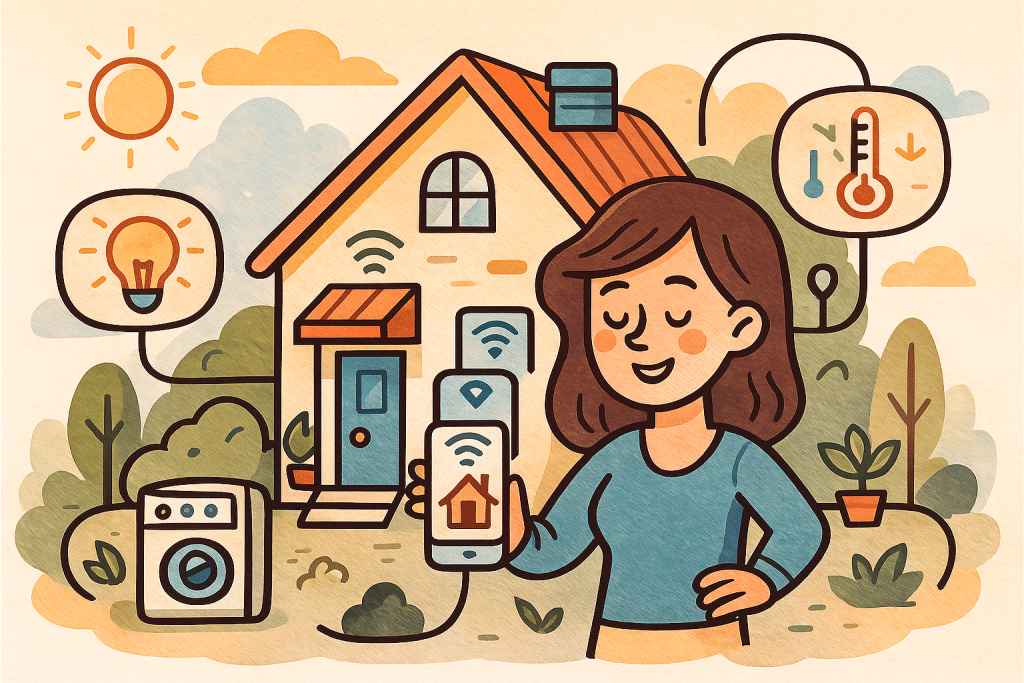
Smart home innovations that save time and energy are no longer futuristic—they’re transforming how we live today. From AI-driven energy management to voice-activated appliances, these technologies are practical, efficient, and designed to make everyday life seamless.
The Rise of Energy-Smart Homes
Energy efficiency has become a global priority, and smart homes are central to this shift. According to the U.S. Department of Energy, households adopting smart thermostats, efficient lighting, and connected appliances can cut annual energy bills by up to 30% (DOE 2023). These technologies not only reduce utility costs but also contribute to sustainability efforts worldwide.
Smart devices now integrate with solar panels, smart grids, and battery storage, creating homes that generate and manage their own power. This shift toward “net-zero” homes is one of the most exciting innovations in residential living.
AI-Powered Energy Management Systems
Artificial intelligence is driving smarter energy use in homes. Platforms such as Google Nest and Samsung SmartThings use machine learning to analyze patterns in energy consumption. They automatically adjust heating, cooling, and lighting to maximize efficiency without compromising comfort.
- Predictive energy savings: AI can forecast high-demand periods and shift appliance use to off-peak hours.
- Real-time monitoring: Smart apps provide instant insights into which devices consume the most energy.
- Automatic optimization: Instead of manually setting schedules, AI learns user preferences and optimizes for cost savings.
A McKinsey report highlights that AI-based energy management could reduce household electricity use by 10–20% annually (McKinsey 2022). This makes it one of the most impactful smart home trends to watch.
Smart Thermostats: The Heart of Energy Savings
Thermostats like Nest, Ecobee, and Honeywell Resideo remain some of the most adopted smart devices. They adapt to your routines, adjusting heating and cooling when you’re home, asleep, or away.
- Geofencing: Detects when you leave and automatically adjusts HVAC settings.
- Integration with renewable energy: Some models sync with solar systems to use free, clean power.
- Voice control: Works seamlessly with Alexa, Google Assistant, and Siri.
A study by the Environmental Protection Agency found that smart thermostats save households an average of 8% on heating and cooling costs annually (EPA 2021).
Smart Lighting: Efficiency with Ambiance
LED smart lighting systems such as Philips Hue and LIFX are designed for both convenience and efficiency. These lights use up to 80% less energy than traditional bulbs while offering customizable ambiance.
Key innovations include:
- Adaptive lighting: Automatically adjusts brightness and color temperature throughout the day.
- Motion detection: Lights turn off when no one is in the room.
- Remote control: Manage lighting from your phone or voice assistant.
This reduces wasted electricity and provides added security when you’re away from home.
Connected Appliances: From Kitchens to Laundry Rooms
Smart refrigerators, ovens, washers, and dishwashers are designed to save time while cutting energy use. For example:
- Smart refrigerators: Track expiration dates and suggest recipes based on contents.
- Smart ovens: Preheat via voice command and auto-adjust cooking times.
- Energy-efficient washers/dryers: Sync with utility rates to run cycles when electricity is cheapest.
The International Energy Agency reported that connected appliances could cut global household energy consumption by 15% by 2030 (IEA 2022).
Smart Water Management
Water usage is often overlooked in energy-saving discussions. Innovations like Moen’s Flo and Phyn Plus smart water monitors detect leaks, track usage, and even shut off water automatically to prevent damage.
- Hot water optimization: Smart systems reduce wasted energy from unnecessarily heating water.
- Leak prevention: Early detection avoids costly damage and water waste.
- Usage insights: Apps show how and when water is used most.
These systems save both money and resources while protecting homes from expensive repairs.
Robotic Assistants That Save Time
Time-saving is another major benefit of smart home innovations. Robotic devices like Roomba vacuums, Braava mops, and robotic lawnmowers reduce the need for manual chores.
- Smart vacuums: Map your home, schedule cleanings, and self-empty.
- Lawn robots: Maintain gardens autonomously, saving both water and labor.
- AI assistants: Devices like Amazon Alexa and Google Home streamline scheduling, reminders, and smart device control.
These automations give back hours every week, allowing homeowners to focus on what matters most.
Security and Energy Efficiency Go Hand-in-Hand
Modern smart security systems integrate with energy-saving technology. For example:
- Smart locks and cameras: Reduce unnecessary energy use by detecting occupancy.
- Video doorbells: Eliminate wasted trips to the door, while also reducing false alarms.
- Smart blinds and curtains: Automatically adjust based on sunlight to regulate indoor temperatures.
By merging safety with efficiency, these innovations provide both peace of mind and cost savings.
Future Trends in Smart Home Energy Tech
Looking ahead, several emerging technologies are set to further revolutionize smart living:
- Vehicle-to-Home Energy (V2H): EVs like the Ford F-150 Lightning can power homes during outages, acting as giant batteries.
- Blockchain energy trading: Neighbors could share surplus solar energy securely via decentralized platforms.
- Next-gen solar integration: Roof shingles with embedded solar cells blend aesthetics with power generation.
- AI-driven microgrids: Homes will connect into neighborhood grids that balance supply and demand dynamically.
These developments promise even greater savings and resilience in the years to come.
Practical Guide: How to Start a Smart Energy Home
Transitioning doesn’t have to be overwhelming. Here’s a step-by-step approach:
- Start small with a smart thermostat. This provides immediate savings.
- Switch to smart lighting. Replace bulbs gradually to spread out costs.
- Add connected appliances. Focus on energy-intensive ones like washers and fridges.
- Invest in water management. Leak detection pays for itself quickly.
- Integrate with AI assistants. This ties everything into one ecosystem.
By layering technologies gradually, homeowners can build a fully functional smart home without high upfront costs.
Conclusion
Smart home innovations that save time and energy are redefining modern living. With AI-driven management systems, connected appliances, and sustainable energy integrations, households can cut costs, improve convenience, and support global climate goals.
The future is clear: the more connected our homes become, the smarter—and more efficient—our daily lives will be.
References
- U.S. Department of Energy. (2021) Energy Savings with Smart Home Devices. Available at: https://www.energy.gov (Accessed: 28 September 2025).
- Statista. (2023) Smart Home Market Size Worldwide from 2019 to 2028. Available at: https://www.statista.com (Accessed: 28 September 2025).
- International Energy Agency (IEA). (2022) Digitalisation and Energy Efficiency: How Smart Homes Reduce Consumption. Available at: https://www.iea.org (Accessed: 28 September 2025).

 Family Travel Experiences That Foster Learning