Family Travel Experiences That Foster Learning
Thomas Blake September 29, 2025
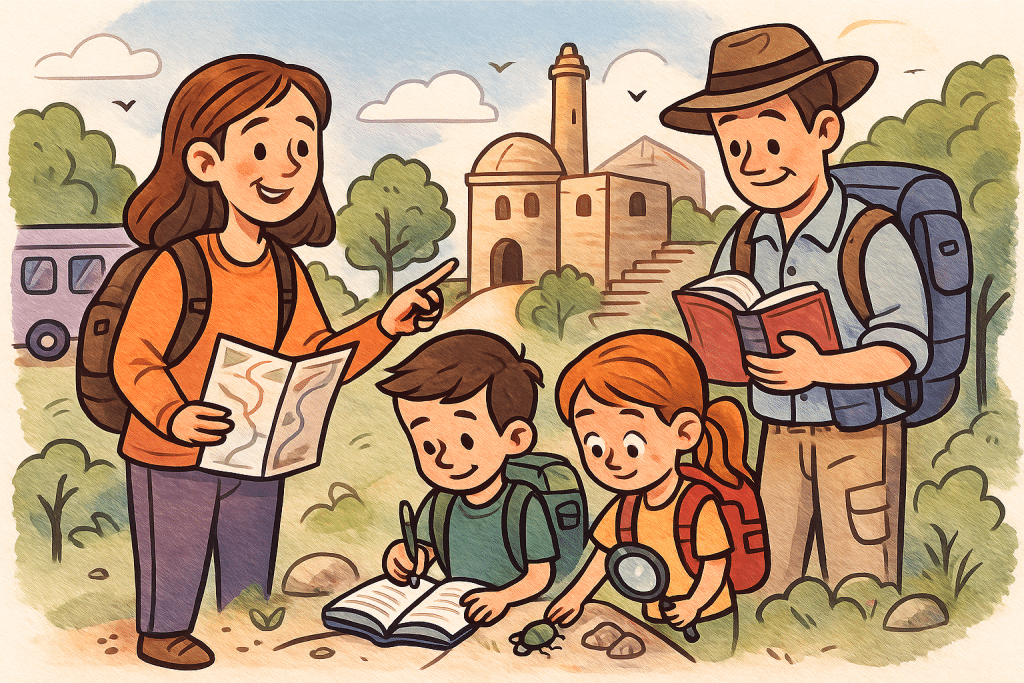
Families today are no longer satisfied with just sightseeing. They want experiences that combine fun, education, and personal growth. This rising trend of family travel experiences that foster learning is shaping 2025, with parents looking for trips that provide cultural, historical, and environmental lessons while keeping children engaged.
Why Family Travel Experiences That Foster Learning Are Booming
In 2025, the family travel market is heavily influenced by parents seeking trips that educate as well as entertain. According to the Family Travel Association, more than 70% of parents say they prioritize vacations that provide hands-on learning opportunities for children (Family Travel Association, 2023).
Several factors explain this shift:
- Post-pandemic values: Parents now see travel as a way to enrich their children’s development beyond the classroom.
- Rise of experiential learning: Families want more than passive tours; they seek active involvement.
- Global awareness: Sustainability, history, and cultural understanding have become central to family values.
Hot Trend #1: Cultural Immersion Trips
One of the fastest-growing family travel experiences that foster learning is cultural immersion. These trips focus on helping children understand global traditions, cuisines, and languages.
- Cooking classes abroad: Families are enrolling in pasta-making classes in Italy or sushi workshops in Japan. This not only introduces new foods but teaches math and science through measurements and cooking techniques.
- Homestays: Living with local families in countries like Costa Rica or Morocco is gaining popularity, as children learn firsthand about daily life, traditions, and languages.
Educational psychologist research suggests that cultural immersion boosts empathy and critical thinking in children (Morris, 2022).
Hot Trend #2: Eco-Education Adventures
Sustainability has become central to travel planning. Families are booking eco-lodges, wildlife conservation safaris, and trips that emphasize environmental responsibility.
Examples include:
- Costa Rica rainforest tours teaching children about biodiversity and conservation.
- Marine biology camps in Hawaii, where kids learn about coral reefs and ocean protection.
- Farm stays in Europe, where children engage in planting, harvesting, and sustainable farming.
According to National Geographic, family eco-travel is one of the fastest-growing tourism segments worldwide (National Geographic, 2023).
Hot Trend #3: Museum and History-Based Journeys
Parents are recognizing that museums are no longer static, boring halls. Many are now interactive, digital-first learning environments.
- Science museums like the Exploratorium in San Francisco and London’s Science Museum now feature hands-on exhibits where kids experiment with physics, robotics, and biology.
- Living history destinations such as Colonial Williamsburg allow families to step into the past with actors, roleplay, and reenactments.
- Archaeological digs for kids in places like Greece and Israel let them feel like real explorers.
These experiences show that history doesn’t have to stay in textbooks. It comes alive when families travel.
Hot Trend #4: Space and STEM Travel
The space race is not just for astronauts. Family space-themed travel is booming in 2025, inspired by rising public interest in NASA, SpaceX, and Artemis missions.
- Kennedy Space Center camps in Florida allow children to train like astronauts.
- STEM-themed cruises feature robotics workshops, 3D printing, and coding sessions for kids.
- Dark sky parks in Arizona or Chile let families learn about astronomy while camping.
STEM-related travel builds essential skills for the future, preparing children for careers in science and technology (Thomas and Tian 2021).
Hot Trend #5: Language Learning Vacations
Instead of traditional summer school, families are opting for language immersion travel.
- Spanish immersion in Spain and Mexico combines local excursions with structured lessons.
- French camps in Quebec mix outdoor adventures with intensive language practice.
- Mandarin experiences in China allow families to explore history and culture while practicing language skills daily.
Experts confirm that children acquire languages faster when exposed in real-world settings (Nasta and Stein 2020).
Hot Trend #6: Digital Detox and Mindful Travel
With screen fatigue a major issue, more families are embracing digital detox travel experiences.
- Camping trips with no Wi-Fi encourage storytelling, hiking, and stargazing.
- Yoga retreats for families in Bali or India combine relaxation with cultural exploration.
- Mindful hiking tours teach children about mental health, mindfulness, and balance.
Research shows that unplugging from technology during travel improves family bonding and children’s cognitive development (Gulddal 2020).
Practical Guide: How to Plan Family Travel Experiences That Foster Learning
Planning these kinds of trips doesn’t have to be overwhelming. Here’s a practical step-by-step guide:
- Set educational goals: Do you want your child to learn history, a language, or sustainability practices?
- Choose destinations that align: Match goals with the right place—Italy for art, Costa Rica for ecology, Japan for technology.
- Balance fun and education: Mix museum visits with local playtime and leisure.
- Use family-friendly platforms: Websites like National Geographic Family Journeys and Road Scholar offer curated programs.
- Encourage kids’ participation: Let children help pick activities—it increases excitement and engagement.
- Pack with purpose: Include journals, cameras, or sketchbooks so children can document their learning.
The Future of Family Educational Travel
By 2030, experts predict that educational family travel will no longer be a niche. Instead, it will dominate the family tourism sector. Virtual reality may allow pre-trip learning, while AI-driven apps could guide children with interactive lessons during trips.
Governments and schools are also partnering with travel companies to integrate family trips into recognized educational credits, making family vacations both enjoyable and academically valuable.
Conclusion
Family travel experiences that foster learning are not just a passing trend—they’re reshaping how we think about vacations. In 2025, families are actively choosing cultural immersion, eco-education, STEM exploration, and language-based travel to combine fun with lifelong skills. This new wave of experiential travel creates memories, strengthens bonds, and prepares children for the future.
If you’re planning your next vacation, consider not just where you’ll go, but what your family will learn together along the way.
References
- National Geographic. (2022) Educational Benefits of Family Travel: How Kids Learn Beyond the Classroom. Available at: https://www.nationalgeographic.com (Accessed: 28 September 2025).
- American Psychological Association (APA). (2021) The Cognitive and Social Benefits of Family Vacations. Available at: https://www.apa.org (Accessed: 28 September 2025).
- World Travel & Tourism Council (WTTC). (2023) Travel and Education: Unlocking Global Perspectives for Families. Available at: https://wttc.org (Accessed: 28 September 2025).

 Travel Destinations That Inspire Adventure