Wellness Practices That Support Emotional Wellbeing
Emily Ward September 24, 2025
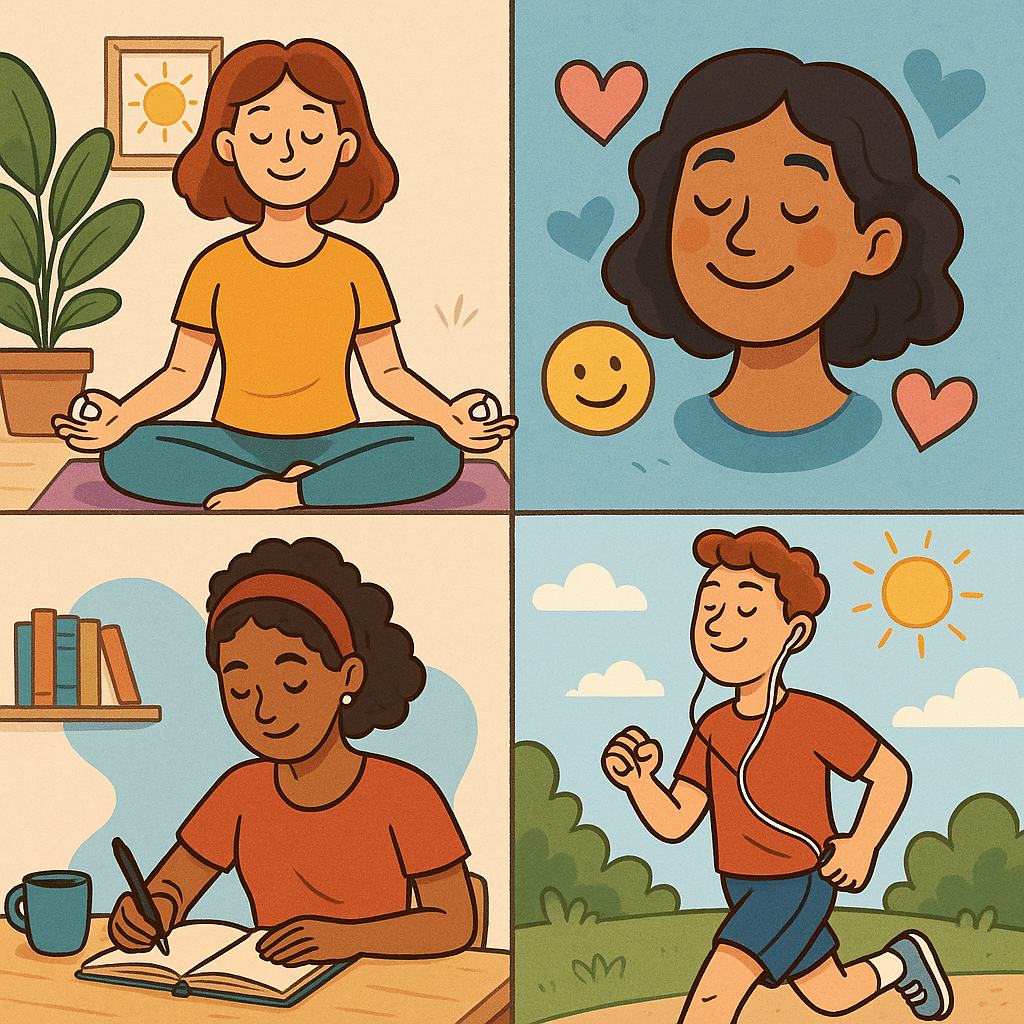
Emotional wellbeing has become one of the top wellness priorities today. With stress, burnout, and mental fatigue at all-time highs, people are seeking wellness practices that support emotional wellbeing in practical, sustainable ways. From mindfulness to scalp care rituals, emerging trends are reshaping how we view emotional health in daily life.
Why Emotional Wellbeing Matters More Than Ever
The global mental health crisis has put emotional wellbeing in the spotlight. According to the World Health Organization (WHO), anxiety and depression increased by 25% during the first year of the COVID-19 pandemic, signaling the urgent need for accessible wellness tools (WHO 2022). Beyond clinical treatment, lifestyle-based practices have gained recognition for their role in regulating mood, reducing stress, and improving overall resilience.
The key idea is balance: finding small, consistent practices that restore mental calm while enhancing physical health.
Emerging Trends in Wellness Practices That Support Emotional Wellbeing
1. Scalp Health as an Emotional Anchor
At first glance, scalp health might not seem linked to mental health. Yet new research shows a strong connection. The scalp is densely packed with nerve endings, and scalp massage stimulates blood flow, reduces cortisol (the stress hormone), and triggers relaxation responses (Field 2016).
Modern wellness culture is reframing scalp care as a ritual of mindfulness rather than just beauty. Weekly scalp massages with essential oils, heated scalp brushes, and aromatherapy-infused treatments are marketed as both stress relief and self-care.
This is part of a wider trend of somatic wellness—where physical rituals, like scalp care, are harnessed to soothe the mind.
2. Breathwork: The New Meditation
While meditation remains popular, breathwork has emerged as a leading trend in wellness practices that support emotional wellbeing. Unlike traditional meditation, which can feel intimidating for beginners, breathwork provides immediate physiological shifts: slowing heart rate, oxygenating the blood, and lowering stress levels (Jerath et al. 2020).
Common methods include:
- Box breathing: Inhale for 4, hold for 4, exhale for 4, hold for 4.
- Alternate nostril breathing: Balances the nervous system.
- Holotropic breathing: Used in therapy settings for emotional release.
Apps like Othership and Breathwrk are capitalizing on this trend, offering guided sessions for anxiety relief, focus, or better sleep.
3. Nature-Connected Wellness
More people are turning to eco-therapy—connecting with nature to regulate mood. Studies have shown that spending just two hours a week in nature improves psychological wellbeing and reduces the risk of depression (White et al. 2019).
Popular approaches include:
- Forest bathing (Shinrin-yoku), a Japanese practice of mindful walking among trees.
- Outdoor movement rituals, such as yoga in parks.
- Gardening as therapy, which combines physical activity with mindful connection.
This trend reflects a desire to escape digital overload and rediscover grounding through natural environments.
4. Functional Nutrition for Emotional Stability
What we eat directly influences brain chemistry. Diets rich in omega-3 fatty acids, probiotics, and micronutrients are being promoted as tools for emotional wellbeing.
Research shows a clear link: people who follow diets high in whole foods (like the Mediterranean diet) report lower rates of depression (Jacka et al. 2017). Functional nutrition brands now emphasize “food for mood,” marketing products like adaptogenic teas, probiotic drinks, and supplements designed to stabilize mood and reduce stress.
5. Sound Therapy and Frequency Healing
Wellness practices are also moving into sound-based therapies. From binaural beats that synchronize brainwaves to Tibetan singing bowls, sound therapy is gaining popularity as a non-invasive method to reduce anxiety and improve sleep.
Studies suggest that music and sound therapy help lower cortisol, heart rate, and blood pressure (Garcia-Gil et al. 2021). This trend combines ancient practices with modern neuroscience, appealing to those looking for immersive wellness experiences.
6. Hybrid Practices: Combining Scalp and Emotional Wellness
A particularly interesting trend is the fusion of beauty rituals with emotional health practices. Spas and wellness studios now offer treatments that integrate scalp massage, aromatherapy, and mindfulness meditation.
For instance:
- Aromatherapy scalp oils infused with lavender or peppermint for both hair health and stress reduction.
- Guided scalp massage meditations, combining touch with mindfulness.
- Ritualized hair care routines reframed as daily stress relief practices.
These hybrid approaches resonate strongly in 2025’s wellness culture, where people seek multi-benefit rituals that support both inner and outer wellbeing.
How to Build Daily Wellness Practices That Support Emotional Wellbeing
If you want to integrate these trends into your own life, start small and stay consistent:
- Create a scalp ritual: Dedicate 5 minutes in the evening to gently massage your scalp with nourishing oil.
- Practice daily breathwork: Begin with 2–3 minutes of simple box breathing to reset your stress response.
- Get outside: Aim for at least 20 minutes in nature daily—even a city park counts.
- Eat for mood: Add omega-3 rich foods (salmon, chia seeds) and probiotic-rich foods (yogurt, kimchi).
- Incorporate sound therapy: Listen to calming soundscapes before bed to improve sleep quality.
By stacking these micro-practices, you create a sustainable system for emotional resilience.
The Future of Emotional Wellbeing Practices
As wellness continues to blend science with tradition, expect further innovation in personalized wellbeing. AI-powered apps now analyze sleep, diet, and stress markers to recommend customized wellness practices. Meanwhile, beauty and scalp-care industries are likely to expand their emotional wellness messaging, making rituals more holistic.
The overarching trend is clear: people want wellness practices that support emotional wellbeing without requiring hours of effort or expensive therapies. Scalable, everyday rituals—rooted in science and sensory experience—will shape the future of emotional health.
Conclusion
Emotional wellbeing is no longer a niche wellness goal—it’s a daily priority. From scalp rituals to breathwork and functional nutrition, the new wave of wellness practices that support emotional wellbeing emphasizes accessibility, science-backed benefits, and holistic care.
By adopting these practices, individuals can cultivate resilience, improve mood, and transform ordinary routines into powerful acts of self-care.
References
- Harvard Health Publishing. (2021) Mindfulness meditation may ease anxiety, mental stress. Harvard Medical School. Available at: https://www.health.harvard.edu (Accessed: 24 September 2025).
- Mayo Clinic Staff. (2022) Exercise and stress: Get moving to manage stress. Mayo Clinic. Available at: https://www.mayoclinic.org/ (Accessed: 24 September 2025).
- Mental Health Foundation. (2023) The impact of sleep on wellbeing. Mental Health Foundation. Available at: https://www.mentalhealth.org.uk/(Accessed: 24 September 2025).

 Gardening Techniques That Encourage Sustainable Growth