Gardening Techniques That Encourage Sustainable Growth
Thomas Blake September 24, 2025
Sustainable gardening is no longer just a hobby—it’s an urgent response to climate change, soil degradation, and the rising cost of food. By practicing gardening techniques that encourage sustainable growth, everyday growers can save money, reduce waste, and create healthier ecosystems at home.
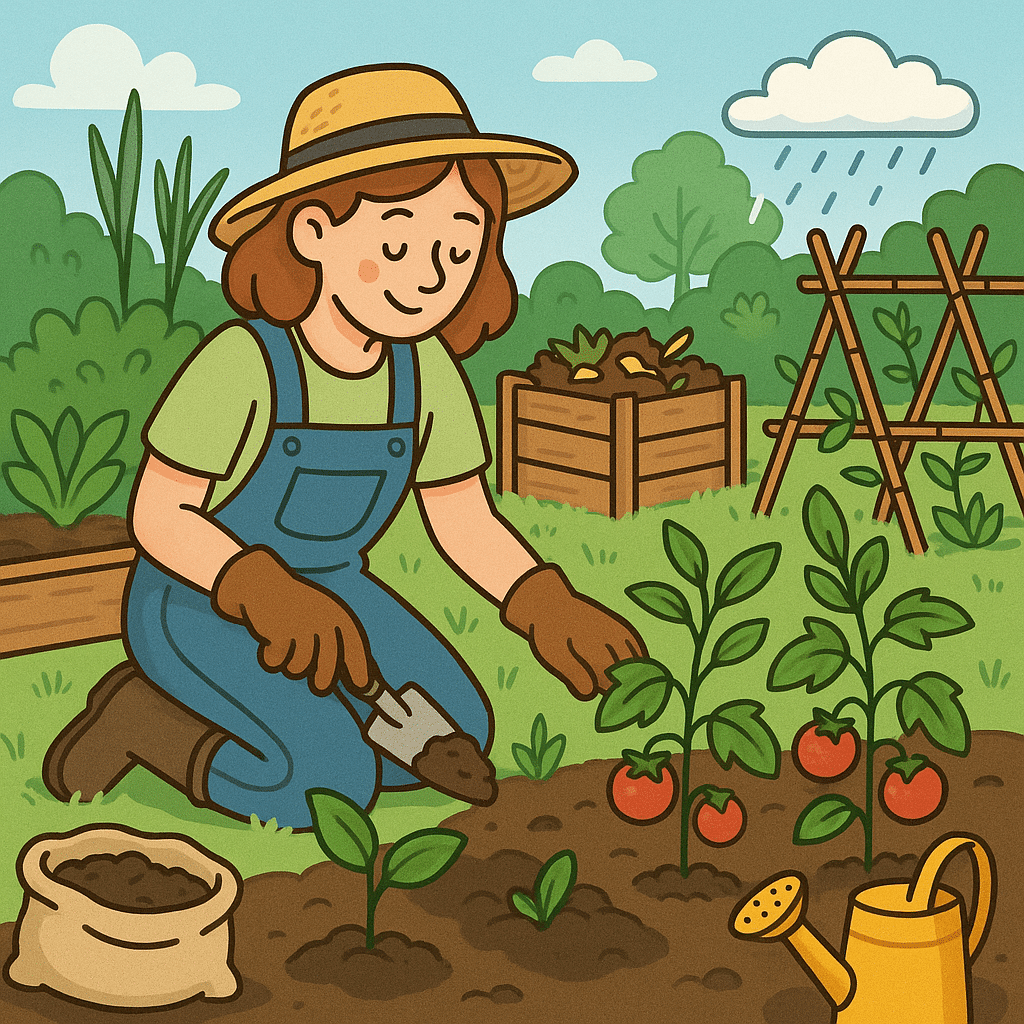
Why Sustainable Gardening Matters in 2025
Traditional gardening often relies on chemical fertilizers, pesticides, and heavy water use. While effective in the short term, these methods damage pollinators, erode soil quality, and contribute to greenhouse gas emissions. Sustainable gardening flips the model by focusing on:
- Soil regeneration rather than depletion
- Water conservation instead of overuse
- Biodiversity support instead of monocultures
According to the Food and Agriculture Organization (FAO), soil degradation affects over 33% of Earth’s land, largely due to unsustainable agricultural practices (FAO 2022). Backyard and community gardeners adopting sustainable methods can play a direct role in reversing this trend.
Core Gardening Techniques That Encourage Sustainable Growth
1. Composting: Closing the Nutrient Loop
Instead of buying synthetic fertilizers, composting transforms kitchen and garden waste into rich organic matter. This not only reduces landfill contributions but also improves soil fertility naturally.
- What to compost: vegetable scraps, coffee grounds, leaves, grass clippings.
- Avoid: meat, dairy, and oils (which attract pests).
A study published in Waste Management highlights that composting reduces methane emissions by up to 50% compared to sending organic waste to landfills (Zhao et al. 2021).
2. Rainwater Harvesting and Smart Irrigation
Water shortages are one of the biggest threats to sustainable food systems. Collecting rainwater in barrels and using drip irrigation systems ensures plants receive consistent hydration without waste.
- Rain barrels: affordable and easy to install under roof gutters.
- Drip irrigation: delivers water directly to roots, reducing evaporation by 30–50%.
The U.S. Environmental Protection Agency (EPA) notes that households can save up to 1,500 gallons of water each summer simply by switching to efficient watering methods (EPA 2023).
3. Mulching for Soil Protection
Mulch—whether wood chips, straw, or even shredded leaves—acts like a protective blanket. It locks in moisture, regulates soil temperature, and suppresses weeds.
- Organic mulch: breaks down over time, enriching the soil.
- Inorganic mulch (like gravel): best for pathways or decorative beds.
Mulching also reduces the need for chemical weed killers, making gardens safer for children, pets, and pollinators.
4. Choosing Native and Pollinator-Friendly Plants
Native plants adapt better to local climates, requiring less fertilizer, pesticide, and water. Additionally, planting bee-friendly species like lavender, echinacea, and sunflowers boosts pollinator populations critical for food security.
The Xerces Society reports that pollinators contribute to the reproduction of over 75% of flowering plants, including two-thirds of food crops (Xerces Society 2021).
5. Crop Rotation and Companion Planting
These age-old farming strategies are making a comeback in modern sustainable gardening.
- Crop rotation: rotating plant families (e.g., legumes, brassicas, root vegetables) improves soil health and reduces pest buildup.
- Companion planting: pairing plants that support each other. For example:
- Tomatoes + basil (repels pests, enhances flavor).
- Carrots + onions (onions deter carrot flies).
This reduces reliance on chemical pesticides and synthetic soil additives.
6. Vertical and Container Gardening in Urban Spaces
For city dwellers with limited land, vertical gardens and container setups offer sustainable ways to grow food. Using recycled pallets, hanging planters, or stackable pots not only saves space but also encourages biodiversity in concrete-heavy environments.
Urban agriculture initiatives have already proven to reduce food miles, cutting carbon emissions linked to transportation (Despommier 2020).
7. Integrated Pest Management (IPM)
Instead of reaching for chemical sprays, IPM emphasizes prevention and balance:
- Encourage beneficial insects: ladybugs, lacewings, and spiders control pests.
- Natural repellents: neem oil, garlic sprays, and diatomaceous earth.
- Monitoring: check leaves regularly for early pest signs.
IPM reduces toxic runoff that harms rivers and ecosystems, making it a cornerstone of sustainable growth.
8. Seed Saving and Heirloom Varieties
Mass-produced hybrid seeds often require more resources and cannot be replanted. Saving seeds from open-pollinated or heirloom plants preserves biodiversity and reduces dependence on industrial seed companies.
Organizations like Seed Savers Exchange have documented how community-based seed saving strengthens local food systems (Seed Savers 2022).
9. Regenerative Soil Practices
Going beyond “organic,” regenerative gardening focuses on actively restoring ecosystems:
- No-dig gardening: minimizes soil disturbance, preserving microbiomes.
- Cover crops: clover or ryegrass planted in off-seasons improve soil structure.
- Biochar: adding carbon-rich charcoal enhances water retention and nutrient availability.
These techniques mimic natural ecosystems, ensuring long-term soil fertility.
Benefits of Gardening Techniques That Encourage Sustainable Growth
- Environmental Impact
- Reduces chemical runoff and landfill waste.
- Protects biodiversity and pollinator health.
- Financial Savings
- Lower water and fertilizer bills.
- Free compost and seed saving reduce store reliance.
- Health Benefits
- Fresher, chemical-free produce.
- Physical and mental well-being from gardening activities.
- Community Resilience
- Local food security reduces reliance on global supply chains.
- Community gardens foster social connections and education.
The Future of Sustainable Gardening
As climate pressures intensify, gardening techniques that encourage sustainable growth are set to become mainstream. Smart technology, like soil moisture sensors and AI-powered irrigation, will integrate with age-old regenerative practices. Governments are also incentivizing urban agriculture projects, offering grants and tax breaks to communities prioritizing sustainability.
By 2030, experts predict that urban food gardens could provide up to 20% of fresh produce for city populations (FAO 2022). This shift will not only make food systems more resilient but also reconnect people to the land.
Conclusion
Gardening techniques that encourage sustainable growth are more than just eco-friendly choices—they’re practical, affordable, and essential for a resilient future. Whether it’s composting in a suburban backyard or creating a vertical farm on a city balcony, every gardener has the power to regenerate soil, conserve water, and strengthen biodiversity.
The movement is clear: gardening is no longer just about growing plants; it’s about sustaining life.
References
- Food and Agriculture Organization of the United Nations (FAO). (2021) Sustainable crop production and agroecology. Available at: https://www.fao.org/sustainability/crops (Accessed: 24 September 2025).
- United States Environmental Protection Agency (EPA). (2022) Composting basics for sustainable gardening. Available at: https://www.epa.gov/recycle/composting-home (Accessed: 24 September 2025).
- Royal Horticultural Society (RHS). (2023) Water-wise gardening: Sustainable techniques for every home. Available at: https://www.rhs.org.uk/advice/water-wise-gardening (Accessed: 24 September 2025).

 You Can Transform Any Space With Low-Maintenance Houseplants