Interior Decor Ideas That Enhance Productivity
Thomas Blake September 22, 2025
The environment in which we work or study significantly impacts focus and efficiency. Interior decor ideas that enhance productivity help create spaces that support concentration, creativity, and overall well-being. Thoughtful design choices, furniture selection, and organization strategies can transform a workspace into an environment conducive to achieving goals and reducing distractions.
This article explores practical interior decor strategies to boost productivity, covering lighting, furniture, color schemes, organization, plants, and personalized touches for both home offices and commercial spaces.
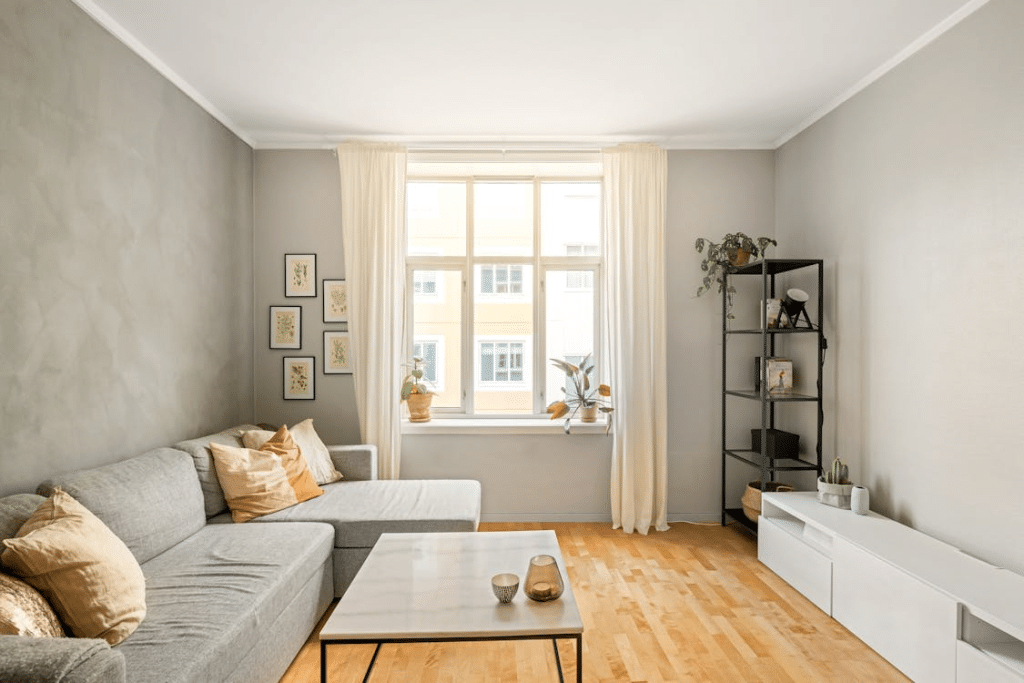
1. Optimize Natural Light
Natural light improves mood, alertness, and cognitive performance.
- Position desks near windows to maximize daylight exposure.
- Use light-colored curtains or blinds to diffuse glare while maintaining brightness.
- Incorporate reflective surfaces to distribute light evenly across the room.
According to Journal of Environmental Psychology (2022), natural light increases productivity, reduces eye strain, and enhances overall mental well-being.
2. Ergonomic Furniture
Comfortable, supportive furniture reduces fatigue and improves focus.
- Use ergonomic chairs and adjustable desks to maintain proper posture.
- Incorporate keyboard trays and monitor stands to optimize workspace ergonomics.
- Select footrests or supportive cushions for additional comfort during long work sessions.
Harvard Business Review (2023) emphasizes that ergonomic setups decrease physical strain and improve concentration and task efficiency.
3. Thoughtful Color Schemes
Color influences mood and mental energy.
- Use blue or green tones to promote calm and focus.
- Integrate accent colors like yellow or orange to stimulate creativity and motivation.
- Maintain consistent color palettes to reduce visual clutter and distraction.
Frontiers in Psychology (2022) reports that color psychology can enhance productivity and cognitive performance by creating an environment that supports desired emotional states.
4. Clutter Management and Organization
An organized space minimizes distractions and mental fatigue.
- Use shelving, drawers, and storage boxes to keep materials neatly arranged.
- Maintain a clean desktop policy to prioritize essential items.
- Implement labeling and categorization systems for easy access to tools and documents.
According to Journal of Environmental Psychology (2022), decluttered spaces reduce stress and improve mental clarity, directly impacting productivity.
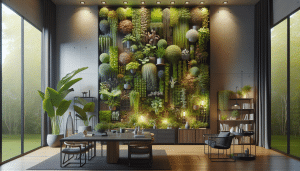
5. Incorporate Indoor Plants
Plants improve air quality and create a calming environment.
- Include low-maintenance plants like snake plants, pothos, or succulents.
- Position plants within sightlines to provide visual breaks and reduce stress.
- Use planters with natural materials to enhance aesthetic appeal.
Frontiers in Psychology (2022) highlights that greenery in workspaces reduces stress, improves focus, and enhances mood, supporting long-term productivity.
6. Dedicated Work Zones
Defining distinct areas for tasks enhances focus.
- Create separate zones for computer work, reading, and creative activities.
- Use room dividers, rugs, or furniture placement to delineate spaces.
- Minimize interruptions by designating quiet areas for high-concentration tasks.
Harvard Business Review (2023) emphasizes that spatial organization improves workflow efficiency and cognitive focus by reducing environmental distractions.
7. Acoustic Management
Noise can significantly affect concentration.
- Use sound-absorbing materials such as carpets, curtains, and wall panels.
- Consider white noise machines or noise-canceling headphones to reduce background disruptions.
- Separate high-traffic areas from quiet work zones.
Journal of Applied Psychology (2022) reports that controlling noise levels enhances attention span, reduces stress, and improves task performance.
8. Incorporate Adjustable Lighting
Artificial lighting complements natural light for extended work periods.
- Use adjustable LED desk lamps to control brightness and reduce eye strain.
- Opt for warm or neutral white light to enhance comfort and focus.
- Implement layered lighting, combining ambient, task, and accent lights for flexibility.
Lighting Research & Technology (2022) highlights that appropriate lighting enhances cognitive function, reduces fatigue, and supports sustained productivity.
9. Personalization and Motivation
Personal touches can enhance engagement and satisfaction.
- Display motivational quotes, artwork, or personal achievements.
- Integrate photos or meaningful objects to create a positive emotional environment.
- Maintain a balance between personalization and clutter to avoid distractions.
Frontiers in Psychology (2022) notes that personalization fosters intrinsic motivation, increasing focus and work satisfaction.
10. Flexible and Adaptive Spaces
Adaptable environments accommodate changing tasks and needs.
- Use modular furniture to reconfigure spaces as required.
- Incorporate mobile storage units or rolling desks for flexibility.
- Adjust decor seasonally or based on workflow to maintain freshness and inspiration.
According to Harvard Business Review (2023), flexible workspaces improve engagement, creativity, and productivity by allowing individuals to optimize their surroundings for specific tasks.
Conclusion
Interior decor ideas that enhance productivity include optimizing natural light, using ergonomic furniture, selecting appropriate colors, managing clutter, incorporating plants, creating dedicated work zones, controlling acoustics, utilizing adjustable lighting, personalizing spaces, and designing flexible environments.
By thoughtfully applying these strategies, individuals can create functional and inspiring spaces that support concentration, creativity, and efficiency. Well-designed interiors contribute not only to productivity but also to mental well-being, comfort, and long-term satisfaction in both home and office environments.
References
Journal of Environmental Psychology (2022). Effects of Light, Clutter, and Plants on Productivity. Available at: https://www.journals.elsevier.com/journal-of-environmental-psychology
Harvard Business Review (2023). Workplace Design and Cognitive Performance. Available at: https://hbr.org
Frontiers in Psychology (2022). Color Psychology in Productivity. Available at: https://www.frontiersin.org
Journal of Applied Psychology (2022). Noise Management and Concentration. Available at: https://www.apa.org/pubs/journals/apl
Lighting Research & Technology (2022). Artificial Lighting and Task Performance. Available at: https://journals.sagepub.com/home/lrt

 Nutrition Tips That Enhance Cognitive Function