Nutrition Tips That Enhance Cognitive Function
Emily Ward September 22, 2025
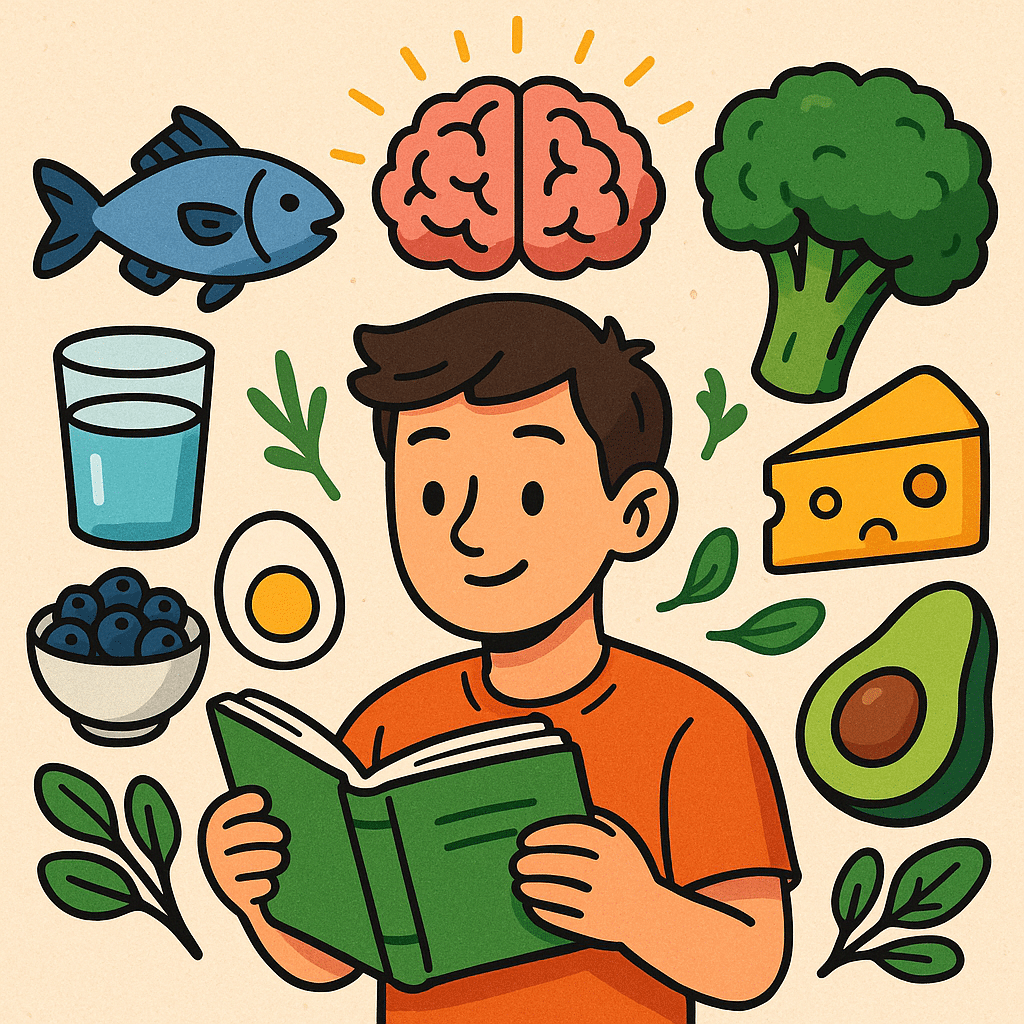
Nutrition tips that enhance cognitive function are gaining attention as more people look for natural ways to boost memory, focus, and brain health. From omega-3s to gut-brain foods, science shows that diet directly influences mental sharpness.
Why Nutrition Matters for Brain Health
The human brain consumes about 20% of our daily energy intake, making it one of the most metabolically demanding organs. Diet plays a major role in determining how efficiently our brains process information and protect themselves against age-related decline. Research shows that nutrient-dense diets can reduce risks of cognitive disorders like Alzheimer’s while enhancing daily focus and memory (Harvard Health Publishing 2021).
1. Omega-3 Fatty Acids for Memory and Focus
Omega-3 fatty acids, particularly DHA, are structural components of the brain. They help maintain cell membrane fluidity, which supports learning and memory. Fatty fish such as salmon, sardines, and mackerel are excellent sources.
- DHA deficiency is linked to memory decline and mood disorders (Swanson et al. 2012).
- Plant-based eaters can opt for flaxseeds, chia seeds, and algae oil supplements.
Tip: Include fatty fish in your meals twice weekly or use algae-based omega-3 capsules if vegetarian.
2. Antioxidant-Rich Foods That Protect the Brain
Oxidative stress contributes to brain aging. Antioxidants like vitamin C, vitamin E, and polyphenols reduce free radical damage.
- Blueberries, dark chocolate, and green tea are proven to improve cognitive performance (Devore et al. 2012).
- Green tea also contains L-theanine, an amino acid that supports relaxation while maintaining focus.
Tip: Swap sugary snacks for berries or a cup of green tea for sustained alertness.
3. The Gut-Brain Axis: How Probiotics Support Mental Clarity
Emerging research highlights the gut-brain connection, where gut microbes influence neurotransmitters like serotonin. Probiotic-rich foods can improve mood and reduce brain fog.
- Yogurt, kefir, kimchi, and sauerkraut enhance gut microbiota diversity.
- A study in Frontiers in Psychiatry showed probiotics significantly improved memory and attention in adults (Ng et al. 2018).
Tip: Add fermented foods to daily meals or consider a high-quality probiotic supplement.
4. B Vitamins for Energy and Cognitive Resilience
B vitamins—especially B6, B12, and folate—are essential for neurotransmitter production and homocysteine regulation. High homocysteine levels are linked to cognitive decline.
- Leafy greens, eggs, and fortified cereals provide natural B vitamins.
- B12 supplementation is particularly important for older adults, as absorption decreases with age.
Tip: Get blood work done to check B-vitamin levels, especially if plant-based or over 50.
5. Hydration: The Overlooked Brain Booster
Even mild dehydration (1-2% body weight loss) can impair memory, mood, and concentration.
- A study in the Journal of Nutrition found that dehydration reduced working memory and increased fatigue in young women (Armstrong et al. 2012).
- Optimal hydration helps maintain cerebrospinal fluid balance, which cushions and nourishes the brain.
Tip: Drink water consistently throughout the day, not just when thirsty.
6. Caffeine and Cognitive Performance
Caffeine enhances attention, vigilance, and reaction time by blocking adenosine receptors in the brain.
- Moderate consumption (200-400 mg daily) improves mental alertness without significant side effects.
- Pairing caffeine with L-theanine (found in tea) provides calm focus without jitters.
Tip: Replace afternoon energy drinks with matcha for smoother cognitive support.
7. The Role of Magnesium in Neuroprotection
Magnesium regulates neurotransmitter release and protects against excitotoxicity—a process linked to neurodegeneration.
- Foods like pumpkin seeds, almonds, and spinach provide excellent sources.
- Magnesium supplementation has been studied for reducing anxiety and enhancing sleep quality, both crucial for cognition (Boyle et al. 2017).
Tip: Incorporate magnesium-rich foods or use magnesium glycinate supplements if deficient.
8. Intermittent Fasting and Cognitive Longevity
Emerging evidence suggests intermittent fasting may promote brain plasticity and reduce the risk of neurodegenerative disease.
- Fasting triggers autophagy, a cellular “clean-up” process linked to brain resilience (Longo & Mattson 2014).
- Short fasting cycles improve insulin sensitivity, lowering risk factors for cognitive decline.
Tip: Consider a 16:8 fasting approach (16 hours fasting, 8 hours eating window) a few times per week if medically appropriate.
Practical Daily Meal Plan for Brain Function
Here’s a sample plan integrating nutrition tips that enhance cognitive function and support long-term brain health. Each meal has been chosen not only for flavor but also for its scientifically proven benefits on memory, focus, and overall mental performance.
Breakfast: Start your day with Greek yogurt topped with blueberries, chia seeds, and a cup of green tea. Greek yogurt provides protein to stabilize blood sugar levels, while blueberries are rich in flavonoids shown to improve memory and delay cognitive decline (Joseph et al., 2009). Chia seeds add omega-3 fatty acids and fiber, fueling both the brain and gut. Green tea delivers L-theanine and caffeine, a combination proven to enhance focus and alertness without the jittery crash of coffee (Bryan, 2008).
Lunch: Power up midday with a salmon salad made with spinach, pumpkin seeds, and avocado. Salmon is one of the best natural sources of DHA, an omega-3 fatty acid critical for memory and learning. Spinach provides folate and antioxidants, while pumpkin seeds supply zinc, known to regulate neurotransmitter function. Avocado adds healthy monounsaturated fats, which support blood flow to the brain.
Snack: Keep your energy stable with a handful of dark chocolate and walnuts. Dark chocolate, when consumed in moderation, is packed with flavonoids and small doses of caffeine to boost mood and cognitive speed. Walnuts, often called the “brain nut” due to their shape, are rich in alpha-linolenic acid, another omega-3, making this snack both satisfying and neurologically beneficial.
Dinner: Wind down with a hearty quinoa bowl featuring lentils, roasted vegetables, and sauerkraut. Quinoa and lentils together provide a complete protein while also delivering magnesium, essential for nerve function and stress reduction. Roasted vegetables add antioxidants that protect against oxidative stress, while sauerkraut offers probiotics that enhance the gut-brain axis, improving mood and cognition.
By following this structured meal plan, you are not just eating well—you’re actively fueling your brain to think sharper, remember better, and stay resilient against age-related decline.
Conclusion
Enhancing brain health through nutrition is not about one “superfood” but rather a lifestyle of balanced, nutrient-dense eating. By focusing on omega-3s, antioxidants, probiotics, hydration, and mindful fasting, you can protect your brain, improve memory, and sustain cognitive performance throughout life.
References
- Gómez-Pinilla, F. (2008) ‘Brain foods: the effects of nutrients on brain function’, Nature Reviews Neuroscience, 9(7), pp. 568–578. Available at: https://doi.org/10.1038/ (Accessed: 22 September 2025).
- Harvard Health Publishing. (2018) Foods linked to better brainpower. Available at: https://www.health.harvard.edu/ (Accessed: 22 September 2025).
- National Institute on Aging. (2020) Cognitive health and older adults. Available at: https://www.nia.nih.gov/health/ (Accessed: 22 September 2025).

 Fitness Routines That Promote Healthy Aging