Interior Design Tips That Enhance Natural Lighting
Thomas Blake September 19, 2025
Natural light has gone from a nice-to-have to a defining feature in modern interiors. As homes become more focused on wellness, sustainability, and flexible lifestyle, how designers maximize daylight is evolving fast. Below are emerging trends and actionable tips to enhance natural lighting in interiors, with a focus on stylish function and up-to-date ideas.
Why Natural Lighting Matters More Than Ever (and How It’s Changing)
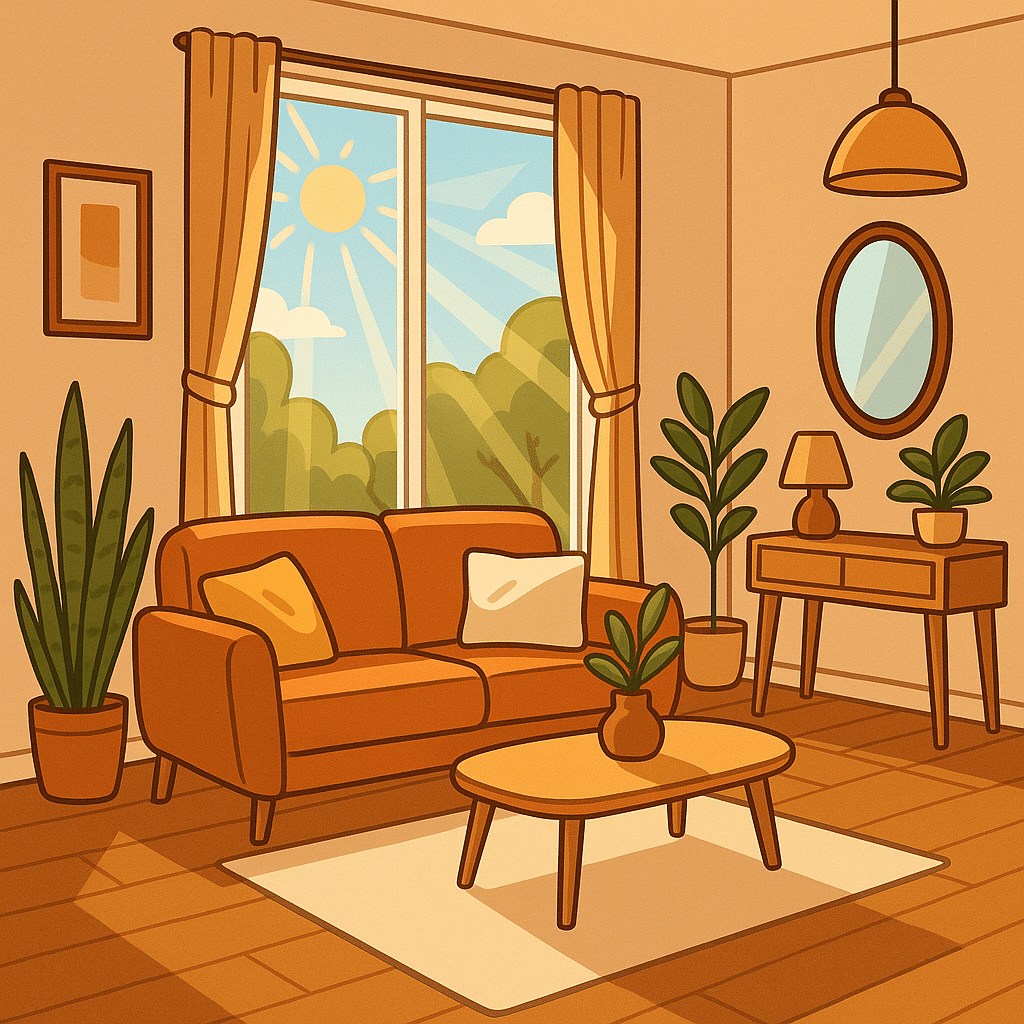
- Well-being and mental health: Natural light regulates circadian rhythms, improves mood, and reduces stress. Recent research reveals that thoughtful architectural strategies (large windows, skylights, reflectors) lead to measurable gains in mental health and cognitive performance.
- Energy savings and sustainability: Well-designed daylighting can cut down daytime electrical lighting needs significantly. Estimates show reductions of 20-40% in lighting and overall energy usage when daylight is properly integrated.
- Buyer demand and aesthetic trend: In 2025, many homeowners prioritize natural light over some traditional “luxury” features. Open layouts, glazed facades, and seamless indoor-outdoor transitions are increasingly requested.
Key Emerging Trends in Enhancing Natural Lighting
Here are what experts are saying are trends for 2025 to 2026, in how interiors are using natural light more intelligently.
- Dynamic / Smart Glass Windows and Skylights
Windows that tint, adjust opacity, or change optical properties according to light intensity or time of day are becoming more affordable and more common. These help reduce glare, control solar heat gain, and maintain views without heavy curtains. - Hybrid Lighting Systems
Combinations of daylight harvest and artificial lighting that work together. For instance, skylights or tubular daylight devices paired with LEDs that kick in when natural light drops. This ensures consistent light levels, reduces dependency on electric lighting, and improves comfort. - Biophilic Design & Natural Materials
Using nature-inspired materials (wood, stone, woven textures) and daylight together to create calming, organic interiors. Plants and natural textures help diffuse light and create softer shadows, which feel more comfortable and dynamic. - Light Distribution Features — Light Shelves, Clerestory, Atriums
Architectural features that help daylight penetrate deep into interiors: high windows (clerestories), interior or exterior light shelves, and open atriums. These are getting renewed attention because they help brighten parts of a home that often stay dim. - Passive Solar & Thermal Control
Features and materials that manage solar heat while allowing in light. Overhangs, smart glazing, shading devices, reflective surfaces, or even optical woods that modulate transmittance/reflectance depending on conditions. These reduce glare and overheating. - Tunable Lighting to Supplement Natural Light
While natural light is ideal, it isn’t always enough (overcast days, interior rooms). Tunable artificial lighting (color temperature, intensity) that responds to daylight cycles helps maintain comfort and visual continuity. Integrated lighting design is trending.
Practical Guide: Tips to Maximize Natural Lighting in Your Space
Here’s a guide you can follow to apply these trends—with steps you can take whether you’re designing new or renovating.
1: Assess Your Space & Climate
- Identify orientation: which walls face sun (morning, afternoon), shade patterns.
- Map out spaces that are underlit or where glare might be a problem.
- Consider climate: in hot climates, too much direct sun causes overheating; in colder ones, maximizing light can also give passive warmth.
2: Choose Windows, Glass, & Openings Wisely
- Use large windows or floor-to-ceiling glazing on sunnier sides.
- Consider clerestory windows or skylights to bring light from above.
- Use dynamic/smart glass or glazing with low emissivity (low-E) coatings to control heat without sacrificing light.
- Balance privacy and daylight — frosted glass, high windows, or screens where needed.
3: Incorporate Reflective & Light-Distributing Surfaces
- Light shelves: install above eye height (inside or outside) to bounce daylight deeper in.
- Reflective/light coloured ceilings and wall finishes help distribute light.
- Mirrors or shiny surfaces (but mindful of glare) placed strategically.
4: Design with Hybrid Solutions for Flexibility
- Use daylight where possible, then allow artificial lighting to adapt (in color/brightness) when natural light is insufficient.
- Smart systems that sense daylight levels and adjust artificial light automatically are ideal.
5: Use Shade, Overhangs, & Thermal Control
- Overhangs or eaves over windows block high summer sun but allow lower winter sun (in appropriate climates).
- Shading devices like louvers, blinds, or pergolas can be dynamic or adjustable.
- Use external shading (trees, plants) to diffuse harsh light and create dappled light inside.
6: Maximize Layout & Floor Plan Efficiency
- Open layouts allow light to travel farther. Avoid unnecessary walls or heavy partitions.
- In multi-storey or large structures, atriums, light wells, or courtyards bring daylight to central areas.
- Arrange frequently used areas (living room, workspace, kitchen) where light is best and for longest periods.
7: Blend Aesthetics with Function
- Choose materials that feel good under daylight: natural wood, warm stone, organic textiles.
- Use furniture and décor that don’t block light paths (low-profile or translucent pieces).
- Be aware that under daylight, colours and textures appear different—test samples at different times.
Common Pitfalls & How to Avoid Them
| Problem | Solution |
|---|---|
| Excessive glare or heat gain | Use smart/dynamic glazing, external shading, orientation, overhangs. |
| Rooms that stay dim even after adding windows | Add clerestories or skylights, use light shelves, open up partitions. |
| Artificial lighting that clashes with daylight | Use tunable lighting, colour temp matching, integrate dimming controls. |
| Material choices that absorb rather than reflect light | Pick lighter wall/ceiling colours, reflective surfaces sparingly, avoid dark heavy textures in low-light spots. |
Case Examples: What Designers Are Doing
- Hybrid daylight & artificial light systems: Some skylight providers are integrating solar modules so daylight is used during the day, and stored sunlight or built-in LEDs kick in at dusk.
- Optical wood and advanced glazing: In research, optical wood materials that change transmittance or reflect heat while letting in visible light are being developed. These help with both light and thermal regulation.
- Architectural light shelves & passive design: Modern buildings are using exterior shelves and overhangs, plus careful orientation (south / north-facing windows depending on hemisphere) to optimize daylight while managing heat.
Summary: What to Prioritize
- Let natural light be a design priority not an afterthought. Considering orientation, window placement, daylight path early on pays off.
- Use architectural features (skylights, light shelves, atriums) and smart materials (dynamic glass, optical wood) to both bring in light and control its side effects.
- Combine natural lighting with tunable artificial systems for consistency and comfort.
- Respect climate and locale—what works in a tropical, hot climate will differ from a temperate, overcast region.
Natural lighting is no longer just about having pretty sunbeams—it’s deeply tied to how we feel, how much energy we use, and how flexible our living spaces are. By applying these 2025-forward design trends, you can make interiors that look great, support health, save energy, and adapt to changing needs.
References
- Houzz. (2023) 10 Ways to Maximize Natural Light in Your Home. Available at: https://www.houzz.com/magazine/ (Accessed: 19 September 2025).
- Architectural Digest. (2022) Design Tricks to Brighten Up Dark Rooms Naturally. Available at: https://www.architecturaldigest.com/story/ (Accessed: 19 September 2025).
- The Spruce. (2021) How to Use Interior Design to Enhance Natural Lighting. Available at: https://www.thespruce.com/ (Accessed: 19 September 2025).

 Wellness Practices That Improve Focus and Energy