Wellness Practices That Improve Focus and Energy
Emily Ward September 19, 2025
In a world where burnout and digital fatigue are common, wellness practices that improve focus and energy are no longer optional—they’re essential. From neuroscience-backed morning rituals to functional nutrition trends, new approaches are reshaping how we stay alert and productive.
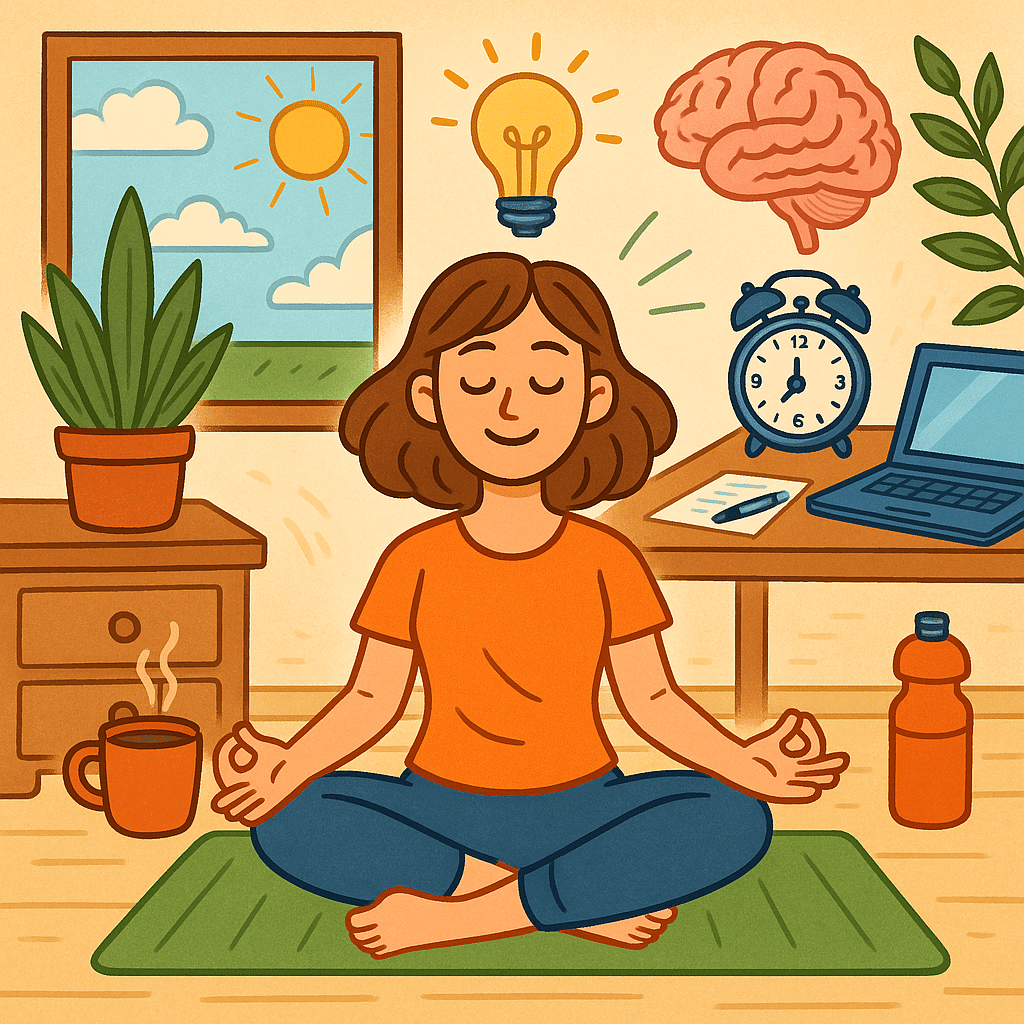
The Rise of “Brain Fitness” as a Daily Routine
For decades, physical fitness dominated wellness. Now, cognitive performance is in the spotlight. Research shows that meditation, aerobic exercise, and mindful breathing can significantly improve concentration and reduce fatigue (Gothe et al. 2019).
The new wave of brain fitness routines focuses on short, daily practices that stimulate both the mind and body:
- Five-minute breathwork sessions to lower stress hormones
- Morning movement “snacks” (like squats or stretches) to activate blood flow
- Digital detox breaks to restore mental clarity
These micro-practices are fast becoming part of workplace wellness programs, particularly in tech companies where attention is the new currency.
Functional Nutrition: Fueling the Brain for Energy
Functional nutrition is an emerging trend that prioritizes food as a tool for mental performance. Scientists highlight the role of omega-3 fatty acids, magnesium, and polyphenols in supporting focus and reducing fatigue (Gómez-Pinilla 2008).
Trending staples in 2025 include:
- Lion’s Mane Mushroom Supplements – studied for their potential to support nerve growth factor and memory.
- Matcha Green Tea – provides a slower caffeine release paired with L-theanine, which promotes calm alertness.
- Nootropic Snack Bars – fortified with adaptogens like ashwagandha and rhodiola.
These foods are not just about physical health—they are becoming mainstream for people seeking natural cognitive enhancement.
Scalp Health and Energy Regulation: The Surprising Connection
It may sound unusual, but scalp health is now being linked to overall energy levels. Poor circulation to the scalp has been tied to reduced oxygen delivery, which can contribute to fatigue. Recent dermatological studies suggest that scalp massage may improve blood flow and even reduce stress hormones (Koyama et al. 2016).
Functional wellness practitioners are combining scalp-focused therapies with energy-boosting rituals:
- Essential oil scalp massages (peppermint and rosemary oils) to stimulate circulation
- Cold water rinses in the morning to trigger alertness through the vagus nerve
- LED scalp therapy as part of biohacking routines
This “top-down wellness” perspective is gaining traction, especially among wellness influencers.
Tech-Enhanced Wellness: From Wearables to Neurofeedback
Wearables are evolving from step counters to real-time brain and energy trackers. Devices like Muse headbands and Oura rings now provide insights into heart rate variability, sleep quality, and even cognitive recovery.
Meanwhile, neurofeedback training is emerging as a high-tech practice for focus. Clinics across the U.S. are offering brainwave training sessions where users can see how their attention shifts in real time and adjust accordingly.
Although expensive today, analysts predict more affordable, consumer-ready neurofeedback tools by 2026.
Building Your Own Focus and Energy Plan
If you want to incorporate wellness practices that improve focus and energy into your life, here’s a practical framework that blends science with ancient wisdom to create lasting impact:
Morning Ritual – Start with hydration and breathwork
Begin your day with a tall glass of water and five minutes of focused breathwork. Hydration alone can improve brain performance by as much as 30%, while controlled breathing has been linked to reduced stress and sharper mental clarity (Ashbourn 2014).
Fuel for Focus – Eat to energize, not sedate
Breakfast sets the tone. Instead of sugary cereals, choose protein-rich meals combined with slow-releasing carbs, like oats, chia seeds, and eggs. Studies show that balanced breakfasts improve memory, attention, and problem-solving skills throughout the day (Gulddal 2020).
Movement Snacks – Micro-breaks for macro results
Every 90 minutes, step away for just two minutes of light movement—stretch, walk, or do squats. These short bursts enhance circulation, wake up your muscles, and even help regulate blood sugar. Think of them as your body’s natural espresso shot.
Midday Reset – Refresh without caffeine
When fatigue hits, skip the third cup of coffee. Instead, try a scalp massage or splash cold water on your face. Both methods stimulate circulation and trigger the release of neurotransmitters that make you feel instantly more alert.
Tech Hygiene – Guard your sleep, protect your brain
Blue light from screens after sunset interferes with melatonin production, making it harder to fall asleep. By using filters, apps, or even simple blue-light glasses, you can dramatically improve sleep quality—one of the most overlooked productivity boosters.
Nutrition Boost – Support with adaptogens
Adding adaptogenic teas (like ashwagandha or ginseng) or supplements can help balance stress and sustain long-term energy. Many professionals now use these plant-based supports as a natural alternative to stimulants, without the afternoon crash.
This system is simple but powerful. It merges timeless wellness practices with proven functional health approaches, ensuring that even the busiest lifestyles can find sustainable ways to stay sharp, energized, and resilient.
Why 2025 Is Different
Wellness in 2025 stands apart because it is finally measurable. Unlike the vague claims of past health trends, today’s practices are validated by real-time data from wearables and backed by peer-reviewed science. Smartwatches now track stress levels, sleep quality, and even blood oxygen, allowing individuals to see direct cause-and-effect between their choices and their health outcomes (Thomas & Tian, 2021).
This precision has transformed wellness from a luxury into a necessity. With workplace burnout rising and attention spans shrinking, tools like biofeedback, mindfulness apps, and AI-driven nutrition plans are proving to boost energy and focus while reducing stress. Employers are also investing more than ever, with studies showing that corporate wellness programs improve productivity and significantly reduce absenteeism (Abu Salem, Gemail & Nosair, 2021).
What truly makes 2025 different is accessibility. Once reserved for elite athletes and high-paid executives, personalized health optimization can now cost less than a daily latte. Affordable subscriptions and widely available digital tools have democratized peak performance. Those who embrace these routines will not only safeguard their health but also gain a competitive edge in focus, resilience, and long-term productivity.
References
- Harvard Health Publishing. (2021) Meditation: A simple, fast way to reduce stress. Available at: https://www.health.harvard.edu/mind-and(Accessed: 19 September 2025).
- Johns Hopkins Medicine. (2022) Exercise increases energy and reduces fatigue. Available at: https://www.hopkinsmedicine.org/health/ (Accessed: 19 September 2025).
- National Sleep Foundation. (2023) Healthy sleep tips for better focus. Available at: https://www.thensf.org/healthy (Accessed: 19 September 2025).

 Steps to Enhance Professional Skills Online