Smart Ways You Can Make Small Spaces Feel Bigger
Thomas Blake November 2, 2025
Turn any tiny nook into a welcoming retreat by learning simple design tricks that make small spaces appear more spacious and functional. From clever furniture arrangements to light tricks and storage secrets, discover actionable ideas for transforming cramped spaces into stylish, open-feeling homes.
Unlocking Space With Clever Furniture Choices
Furniture plays a dramatic role in how spacious a home interior feels, especially in small spaces. Opting for multi-functional furniture, like sofa beds or extendable dining tables, allows you to maximize usability without sacrificing precious square footage. Pieces with visible legs or those raised off the floor take up less visual weight, making the room seem lighter and more open. For example, a glass coffee table reflects light, amplifying the sense of airiness in a living area. Smart furniture selection encourages seamless movement and prevents the room from feeling cluttered, essential for those embracing the small space living trend.
Scale is key when choosing items for compact rooms. Large, bulky furniture can overwhelm a petite living area, but appropriately scaled pieces establish proportion and balance. Modular seating or nesting tables adapt to changing needs—slide them apart for entertaining, or tuck them away for more floor area. These flexible choices support a dynamic lifestyle and stop spaces from feeling static or overcrowded, a common concern in urban apartments and small homes. Layering in a few streamlined, slender-profiled pieces increases visual flow and accommodates daily activities with ease.
It’s not just about what you buy; it’s also about how you arrange it. Push larger pieces against the walls to create central walkways, or cluster furniture away from direct walkways for an uninterrupted flow. Consider wall-mounted shelves or floating desks that free valuable floor area. The combination of strategic arrangement and open-sided furnishings can create the illusion of space even in the smallest rooms, allowing multi-use zones to emerge where they’re needed most (Source: https://www.homestratosphere.com/small-space-furniture-layout/).
Design With Light to Expand the Room
Lighting is a transformative tool in making small spaces feel open and inviting. Ample natural light is the first ally: keep window treatments simple, using sheer curtains or blinds that easily retract. The goal is to let daylight pour in, visually extending the room’s boundaries. If privacy is a concern, light-filtering options provide seclusion while maintaining brightness. For rooms lacking large windows, strategically placed mirrors opposite light sources bounce daylight deeper into the room, creating the illusion of added square footage, a favorite tactic among interior designers tackling limited layouts.
Layered, artificial lighting can replicate sunlight’s expansive effect once evening falls. Use a mix of recessed lighting, wall sconces, and floor lamps to eliminate shadowy corners and create a sense of continuity across the area. Direct lighting upward or toward ceilings with uplight fixtures to visually lift the space. Installing LED strip lights under cabinets or along shelving highlights features without taking up room, an especially useful trick for kitchenettes or narrow corridors often found in compact homes. Good lighting supports daily routines and keeps spaces feeling energized instead of boxed in.
Color choices amplify the effects of light. Rooms painted in light neutrals—think soft whites, creams, pale greys, or subtle pastels—reflect more brightness and blur hard lines between walls, ceilings, and floors. Dark colors absorb light, making boundaries feel closer than they are. Combining bright paint with reflective accessories like glossy ceramics, glass vases, or metallic picture frames helps scatter illumination. The integrated use of natural and layered lighting alongside bright palettes is a time-tested formula for transforming small, dim spaces into lively and expansive environments (Source: https://www.energy.gov/energysaver/lighting-choices-save-you-money).
Clever Storage Solutions for a Tidy Small Home
Order is crucial when space is tight. Smart storage solutions make daily living smoother and give the impression of a larger environment. Built-in shelving, under-bed drawers, and furniture with concealed compartments allow you to use every inch efficiently. Wall-mounted racks, vertical organizers, and over-the-door hooks free surfaces and floors, helping to eliminate clutter. For homes with limited closets, consider rolling storage carts or modular cubes that can be moved or reconfigured as needs shift. Organizing systems not only enhance usability—they also promote calmer, cleaner aesthetics that trick the eye into perceiving more space.
Decluttering regularly cannot be underestimated. Keep frequently used items within arm’s reach and store infrequent ones in bins tucked away from view. Labeling helps maintain organization over time. Transparent containers reveal contents without constant searching, while uniform baskets on open shelves create an orderly appearance. In kitchens, magnetic strips for knives and hanging racks for utensils free drawers for bulkier items. Bathrooms benefit from suction-cup shelves or behind-the-mirror cabinets. The beauty of these solutions lies in their adaptability—they evolve with changing lifestyles and continue protecting precious square footage day after day.
Floor-to-ceiling storage is a staple for those looking to maximize vertical space. Tall bookcases, ladder shelves, or overhead-mounted cabinets draw the eye up and reinforce a sense of height in the room. Integrating such features keeps walkways clear and surfaces uncluttered. Ultimately, how storage is integrated into small-space living determines not just function but also enjoyment of the home. A thoughtful approach balances practicality with aesthetics, letting every area serve a clear purpose without feeling cramped (Source: https://www.nahb.org/blog/2023/03/space-saving-storage).
Using Color, Texture, and Patterns for Open-Feeing Rooms
Color, texture, and pattern hold transformative power in small homes. Light colors visually expand space by reflecting more light, but adding subtle shifts in hue or tone keeps rooms from feeling sterile. Incorporating mirrors or glossy finishes amplifies this effect, turning natural and artificial light into a design feature. For those desiring more personality, a monochromatic color scheme with varying textures—such as matte walls contrasted by velvet cushions or sleek tilework—creates depth and visual interest without overwhelming scale.
Patterns, when used thoughtfully, can draw attention and lengthen or widen a room. Vertical stripes on walls or curtains make low ceilings seem taller, while horizontal stripes widen narrow rooms. Sticking to small, repetitive patterns or tone-on-tone motifs avoids busy visuals that could shrink space. Large artwork, instead of numerous small pieces, keeps walls uncluttered but still lively. Area rugs in light tones define zones and break up expanse without making divisions feel harsh—accentuating openness while injecting color and comfort.
Texture matters too. Smooth and soft textiles, such as linen drapes or plush throws, add coziness without visual heaviness. Glass, acrylic, or metal surfaces reflect and diffuse natural light, while wood tones ground the scheme. Strategic layering of textures provides a sense of richness and warmth, making open spaces feel inviting rather than sparse. Design experiments with color and texture are highly encouraged—and reversible paint or textile choices let you refresh the look without long-term commitment (Source: https://extension.psu.edu/choosing-colors-for-interior-spaces).
Embracing Minimalism and Flexible Layouts
Minimalism goes beyond reducing possessions; it’s about choosing items deliberately and making every choice count. A minimalist approach to decorating small spaces means every piece is either useful, beautiful, or (ideally) both. Decluttering surfaces—from countertops to tabletops—prevents overwhelm. Open shelving can showcase select favorite items, but keeping most surfaces clear helps maintain visual flow. It also supports flexible, multi-use living arrangements, which are crucial in homes that serve as both work and leisure areas.
Rather than rigid furniture placement, consider furniture that can easily move and layouts that adapt to changing daily needs. Collapsible tables, stools that tuck under counters, or portable screens can convert a single room from workspace to dining spot to cozy lounge in minutes. Soft partitions, like floor-to-ceiling curtains, enable temporary room division without permanent barriers or bulk. This flexibility is key for renters and homeowners alike, as life circumstances evolve and new storage or seating needs appear. The freedom to reconfigure adds new energy to any living area.
Minimalist interiors rely heavily on intentional design: fewer decorations, clean lines, and consistent color schemes that visually elongate the room. This philosophy pairs perfectly with small space principles. It enhances tranquility, reduces stress associated with clutter, and makes cleaning far quicker. The interplay of minimalist strategies and flexible, movable furnishings encourages personalization within practical constraints. Over time, embracing this mindset often leads to a more enjoyable, harmonious living environment (Source: https://www.huduser.gov/portal/pdredge/pdr-edge-featd-article-122120.html).
Bringing Nature Inside for a Spacious Touch
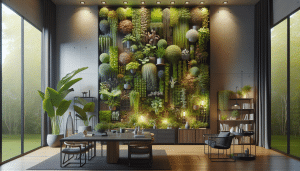
Natural elements blur the lines between indoors and outdoors, tricking the eye into sensing more space. Houseplants, small trees, or vases of fresh flowers introduce organic forms and fresh air into your compact abode. Vertical gardens or windowbox planters use minimal footprint while maximizing greenery, promoting calm and brightening any setting. For those without green thumbs, high-quality faux plants or botanical prints offer a similar impact with zero maintenance. Even in the most urban apartments, nature-inspired decor infuses rooms with vitality and expansion.
Wood accents and nature-inspired materials—bamboo shelves, cork tiles, rattan baskets—add visual variety and texture. Natural wood tones serve as a neutral grounding point for contemporary or eclectic color schemes, making them easy to pair with a wide range of decors. The use of large landscape or botanical artwork, or even nature-motif wallpaper, helps extend the perceived boundaries of a wall. Integrating these elements into your overall design strategy delivers the atmosphere of a larger, brighter home, regardless of actual dimensions.
Windowsills laden with greenery, herb gardens in kitchens, and terrariums on work desks reinforce the connection to the outside world. This not only boosts mood and indoor air quality but creates visual breaks that keep compact interiors from feeling monotonous. Daylight filtering through leaves or wood grains introduces organic movement and beauty. The result? A space that balances functionality with serenity, no matter the size (Source: https://hgic.clemson.edu/factsheet/creating-indoor-gardens/).
References
1. Home Stratosphere. (n.d.). Small Space Furniture Layouts. Retrieved from https://www.homestratosphere.com/small-space-furniture-layout/
2. U.S. Department of Energy. (n.d.). Lighting Choices Save You Money. Retrieved from https://www.energy.gov/energysaver/lighting-choices-save-you-money
3. National Association of Home Builders. (2023). Space-Saving Storage Solutions. Retrieved from https://www.nahb.org/blog/2023/03/space-saving-storage
4. PennState Extension. (n.d.). Choosing Colors for Interior Spaces. Retrieved from https://extension.psu.edu/choosing-colors-for-interior-spaces
5. HUD User. (n.d.). Living Small: Tiny Houses and Residential Mobility. Retrieved from https://www.huduser.gov/portal/pdredge/pdr-edge-featd-article-122120.html
6. Clemson Cooperative Extension. (n.d.). Creating Indoor Gardens. Retrieved from https://hgic.clemson.edu/factsheet/creating-indoor-gardens/

 Uncovering News Bias and How It Shapes What You See