You Can Transform Your Small Backyard Layout
Thomas Blake September 24, 2025
Discover ideas that help you unlock the full potential of small backyard spaces. This article explores creative landscaping, cost-effective design, and practical solutions for compact yards—bringing inspiration for anyone considering a backyard makeover.
Unlocking Space in a Small Backyard
Making a small backyard feel larger is both an art and a science. Many homeowners feel limited by square footage, but a smart backyard layout can maximize every inch. Focal points—like a fire pit or a water feature—draw the eye outward, while vertical gardening adds lushness without encroaching on walkways or seating areas. Planning starts with observing sun patterns, privacy needs, and the natural flow between house and yard. These details influence where to place patios, lawns, or raised garden beds.
Dividing space matters as much as expansion. Strategic use of outdoor rugs, planter boxes, and fencing gives even the smallest yards a sense of order and multiple ‘rooms.’ This makes the space not only functional, but inviting for relaxation or social gatherings. Low-maintenance landscaping such as ornamental grasses, pavers, and drought-tolerant shrubs keep upkeep minimal while helping with water conservation—crucial for both ecology and effort. Storage solutions like built-in benches or vertical shelving can make a huge difference.
Lighting extends usefulness well past dusk. String lights, solar path markers, and spotlights on landscape features all visually enlarge a yard after dark. The right combination of mulch, stone, and plantings keeps the scene lively no matter the season. Tricks like painting a fence a cool color or installing mirrors can create the illusion of even more space. The journey starts with a vision and is fueled by creativity rather than scale.
Design Features That Add Function and Style
Functionality is key in any small backyard design. Popular upgrades include multi-use furniture and modular seating for shifting between lounging and entertaining. A raised deck or patio—carefully proportioned to the home—offers a comfortable platform for dining or relaxing and provides opportunities to experiment with built-in planters or storage beneath the surface. Modern paver grids add geometric interest while keeping pathways and terraces practical.
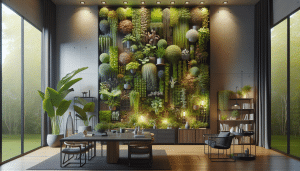
Vertical gardening has truly reshaped the possibilities for compact yards. Wall-mounted planters and trellis screens turn bare fences into productive green spaces. These can house everything from ornamental vines to culinary herbs, maximizing utility while adding privacy and softness. If edible gardening is a priority, raised beds can be placed along the sunniest borders, ensuring ease of access and efficient use of space. They also provide better soil control—one more benefit for gardeners striving to grow more in less room.
Contemporary outdoor decor leans on texture and layering. Try mixing textures—gravel, wood, and concrete—for a dynamic yet cohesive look. Fire pits, portable or built-in, transform patios into year-round gathering spots. Smart irrigation and weather-resistant finishes add longevity. Details such as cushions, throws, and planters in varied sizes infuse personality and seasonality to outdoor living zones. When style and substance come together, every square foot feels like a joy to use.
Smart Landscaping for Small Spaces
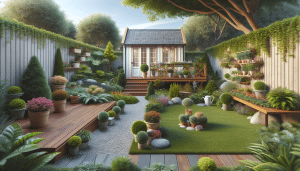
The backbone of any small space garden is clever landscaping. Choosing the right plant palette is essential. Opt for dwarf varieties of shrubs or trees, perennials with year-round interest, and ground covers that suppress weeds. Planting in layers—tall in back, medium in the center, low in front—creates depth and avoids a crowded appearance. Drip irrigation ensures that every plant receives adequate moisture without waste, especially in climates with water-use restrictions.
Mulch and hardscape break up lawn monotony. Gravel paths, stone patios, and decomposed granite trails offer permeability and structure. These elements can be visually softened by leafy borders or potted arrangements. Edges can be defined with bricks, timber, or metal for contrast and a crisp finish. Integrated seating walls double as boundaries and gathering spots, cleverly addressing limited seating.
Native plants and pollinator gardens provide ecological value and endurance. They attract beneficial insects and birds, promoting biodiversity in urban and suburban neighborhoods. Many regions offer lists of approved native species, making it easier to find plants that thrive locally with minimal fuss. Such plantings are perfect for those wanting a beautiful yet sustainable landscape, while reducing resource inputs and maintenance demands.
Budget-Friendly Upgrades to Try First
Transforming a tiny backyard does not always require professional landscaping or expensive materials. Some of the most potent upgrades begin with a simple clean-up and pruning session. Removing underperforming plants, debris, and clutter can immediately open up visual space. Repositioning existing furniture—or giving it a fresh coat of weatherproof paint—breathes new life into familiar pieces while saving expense.
DIY projects, such as installing a stepping stone pathway, building a pallet bench, or creating container gardens, stretch creativity and dollars. Salvaged materials like reclaimed timber or bricks lend character and reduce waste. Look for local community workshops or online guides focused on sustainable garden features and cost-saving hacks. Bringing in just a few new plants or creating a themed grouping of containers produces instant impact without a hefty budget.
Explore local plant swaps or native plant sales to source greenery at lower prices, while supporting eco-friendly gardening. Focus spending on upgrades with maximum return: a small fountain for sound and movement, weather-resistant string lights, or trellises for vertical interest. Often, the best results come not from what is bought, but from how existing elements are reimagined and arranged to make the most of compact outdoor spaces.
Creating Harmony Between Indoors and Outdoors
A well-designed backyard is an extension of the home, not an isolated patch. Visual continuity—matching materials or colors—between indoor and outdoor living areas smoothes transitions. Sliding or folding glass doors make small yards appear part of the living room or kitchen, bringing in light and fostering connection throughout the day. Consistent flooring or outdoor rugs ties spaces together for a seamless appearance.
Flexible boundaries like pergolas or lattice screens offer both shade and separation for privacy, while maintaining openness. Container trees or tall grasses can form green partitions. Indoor plants near windows help blur the line, especially if echoed by similar containers outside. Coordinated decor, such as cushions or tableware inspired by nature, brings a sense of unity and calm.
Natural views—even in miniature—promote relaxation and well-being. Simple water features, thoughtfully placed statues, or clusters of potted plants entice the eye and spirit. Bird feeders or small pollinator gardens enrich daily routines and deepen the connection to nature. With thoughtful design, even the smallest backyard becomes a true sanctuary at home.
Setting Up Zones for Multiple Uses
Dividing a small backyard into distinct functional zones lets the same space serve work, play, and rest. Mark off an eating area with a compact bistro set, frame a hammock or lounge chair with potted trees, or dedicate a sunny patch to edible gardening with raised beds. Adjustable features—foldable tables, stackable chairs—help adapt spaces to different needs quickly.
Play areas for children or pets can double as open lawns or activity pads. Using removable outdoor mats or freestanding play equipment offers flexibility and keeps surfaces multipurpose. For those working remotely, a shaded nook with minimal distractions becomes a prized retreat. Small water bowls, sandpits, or a vertical chalkboard wall can all fit in without monopolizing valuable ground.
Storage becomes vital in shared spaces. Benches or ottomans with internal storage hide toys and tools when not in use. Tall weather-resistant cabinets keep gardening essentials close by but out of sight. Simple fencing or container screens offer both privacy and division, helping everyone feel that their piece of the yard is special and useful.
References
1. United States Environmental Protection Agency. (n.d.). Water-efficient landscaping. Retrieved from https://www.epa.gov/watersense/water-efficient-landscaping
2. National Wildlife Federation. (n.d.). Gardening for wildlife: Backyard habitat. Retrieved from https://www.nwf.org/Garden-for-Wildlife/Create/Backyard
3. Royal Horticultural Society. (n.d.). Small garden design ideas. Retrieved from https://www.rhs.org.uk/garden-inspiration/small-gardens
4. University of California Agriculture & Natural Resources. (n.d.). Drought-tolerant landscaping. Retrieved from https://ucanr.edu/sites/scmg/Lawn_Replacement/Drought_Tolerant_Landscaping/
5. Better Homes & Gardens. (n.d.). Small backyard ideas for any budget. Retrieved from https://www.bhg.com/gardening/yard/landscaping-basics/small-backyard-ideas/
6. National Association of Landscape Professionals. (n.d.). Five tips for landscaping small spaces. Retrieved from https://www.loveyourlandscape.org/expert-advice/landscape-basics/getting-started/five-tips-for-landscaping-small-spaces/

 You Won’t Believe Where News Misinformation Starts