Wellness Routines That Support Emotional Health
Emily Ward October 2, 2025
If you want to build wellness routines that support emotional health, 2025 brings fresh pathways to do so—combining ancient practices, modern science, and digital tools. In this article, I walk you through emerging trends, actionable routines, and evidence‑based strategies to strengthen your emotional resilience day to day.
Why Emotional Health Deserves Routine Attention
Emotional health (sometimes called emotional well‑being) refers to how effectively we manage our feelings, bounce back from stress, and experience a positive sense of meaning, self‑worth, and connection.
In recent years, emotional health has moved from a fringe concern to a central pillar in wellness. Demand for mental health solutions, including preventive practices, is surging globally.
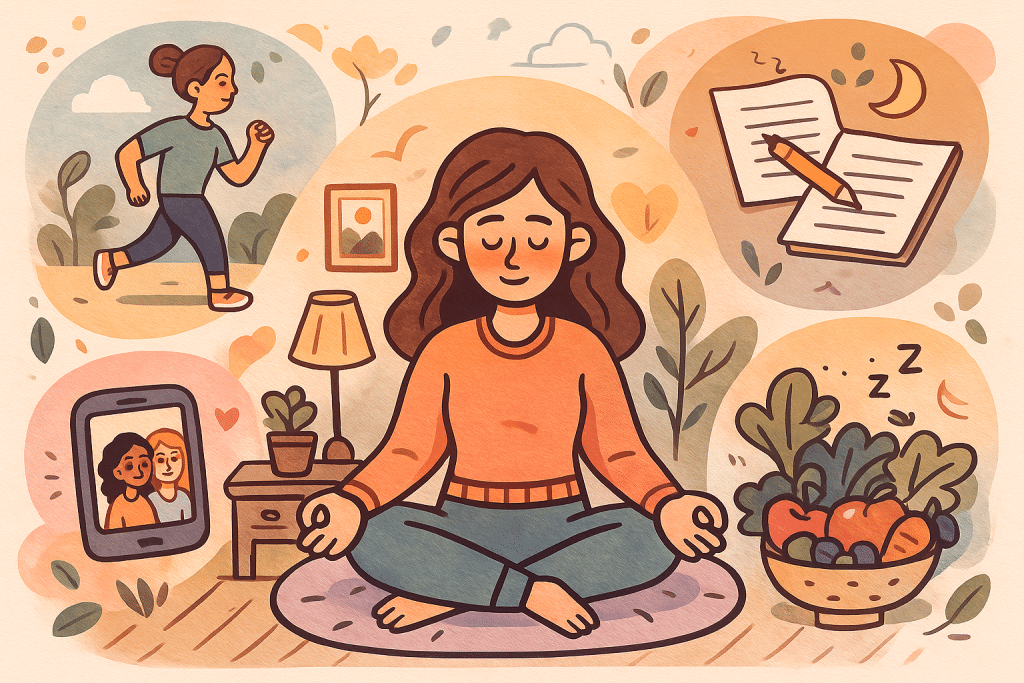
But emotional balance isn’t something that happens only in therapy sessions—it thrives through daily routines. By building consistent habits and integrating them into your life, you create a foundation of stability so that stress, uncertainty, or setbacks become more manageable. Below are key wellness routines that support emotional health—especially those rising in visibility in 2025.
Trend Spotlight: Emotional Tech + Biofeedback Integration
One of the most dynamic shifts in the wellness space is the blending of emotional health routines with real-time data tools—apps, wearable sensors, and AI systems that help you monitor, reflect, and regulate your emotional state.
- The field of digital mental health is expanding far beyond traditional telehealth platforms to incorporate smartphone apps, generative AI, and virtual reality tools.
- Reviews show that while many mental health apps exist, engagement often drops without human support; hybrid models (mixing human and digital) are currently considered more effective.
- AI is being used to detect emotional cues in voice, facial expression, or text, and to prompt in-the-moment practices (breathing, micro‑pauses) to recalibrate emotionally.
So a growing routine is: “check your emotional dashboard” — glance at your wearable or app in mid‑day, see stress or emotional drift, and trigger a 2‑ to 5‑minute micro‑practice (breathing, movement, writing) to course correct.
I’ll include guided routines below, including how to integrate tech tools effectively.
Core Routines for Emotional Stability
Here are six foundational routines (with variations) to help you build wellness routines that support emotional health.
1. Morning Emotional Reset Ritual
Start your day grounding in your emotional state, rather than launching straight into tasks.
A sample ritual:
- Spend 2–3 minutes sitting quietly, noticing how you feel (body, emotions, thoughts).
- Name one or two intentions (e.g. “I’ll pause when I feel tension”).
- Do a short breath practice (4–7–8, box breathing, or gentle diaphragmatic breaths).
This kind of ritual sets the emotional “tone” of your day: you begin as the observer rather than the reactor.
2. Micro‑pauses & Emotional Mini‑Check‑Ins
Throughout the day, insert brief pauses (30 seconds to 2 minutes) to scan your emotional state.
- Use the “RAIN” method: Recognize, Allow, Investigate, Nurture. (Pause, notice what’s happening, allow it, then bring kindness or curiosity.)
- If you have an emotional sensor (stress, HRV, skin conductance), watch for spikes and respond immediately.
- Ask yourself: “What am I feeling right now? What do I need?” Then act: a stretch, a drink of water, a few breaths, a quick walk.
This habit interrupts emotional accumulations before they turn into overwhelm.
3. Daily Movement with Emotional Intent
Exercise isn’t just for fitness; movement directly affects mood, neuroplasticity, and stress regulation.
- Strength (resistance) training is now being championed for mental wellness: it promotes blood flow, supports BDNF (a brain growth factor), and helps reduce anxiety/depression. e
- Aerobic, dance, or mindful walking practices (with attention to breath or surroundings) are also powerful mood modulators.
- Combine movement with an emotional prompt: “As I move, I release tension in my shoulders,” or “With each step, I allow space for resilience.”
This turns physical activity into an emotional regulation tool—not just calories burned.
4. Reflective Journaling / Emotional Processing
Writing is a proven route to process emotions, gain insight, and cultivate perspective.
You might try:
- Free writing (5–10 minutes) around a prompt: “What’s alive in me now?” or “What’s one emotional pattern I noticed this week?”
- Gratitude journaling with emotional nuance: not just “I’m thankful for X,” but “I felt relief when X happened because…”
- Constructive problem‑journaling: identify challenges, note what you can control, and plan micro next steps.
Reflective journaling helps internalize learning from your emotional experiences, rather than suppressing them.
5. Evening Emotional Wind‑Down Practice
A wind-down routine helps you release the emotional residue of the day and prevent carryover into sleep.
Ideas:
- Body scan meditation (5–10 minutes) to notice residual tension.
- Soothing reading, listening to gentle music, or guided imagery.
- Breathwork (e.g. alternate nostril breath, 4‑7‑8) to shift toward parasympathetic calm.
- Micro‑“stash and let-go”: list 1–2 emotional experiences you’re letting rest overnight.
When you consistently close your day emotionally, you reduce rumination and set the stage for more restorative sleep.
6. Social / Connection Ritual
Emotional well‑being is deeply relational. A core routine is scheduling minimal but meaningful social check-ins.
- A daily or every-other-day short call or message with a friend asking: “How are you really doing?”
- A weekly walk, coffee, or dinner with someone who listens well.
- Expressive sharing: talk about a low point and a high point, without needing to “fix” either.
Connection grounds emotions. Even small, consistent rituals reinforce your emotional safety net.
Designing Your Personalized Emotional Routine
Not all routines will fit you perfectly. Here’s how to adapt:
- Start small — pick one or two routines (e.g. micro‑pauses and evening wind‑down) and do them consistently for 3–4 weeks.
- Use “anchors” — tie new emotional routines to existing habits (e.g. after brushing teeth, pause; after lunch, 1 minute reflection).
- Allow flexibility & variation — on busy days, do a 30‑second version instead of skipping entirely.
- Use tech wisely — if you use a mood or stress monitor, integrate it as a cue (not the boss). Don’t let data overrule your felt sense.
- Journal outcomes monthly — note emotional stability, stress levels, mood variability. Tweak routines as needed.
Over time, your emotional baseline rises; you get fewer emotional spikes and recover more quickly when disruptions occur.
Combining Digital + Human Elements: A Balanced Approach
As the emotional health trend leans more technological, it’s important not to lose the human anchor.
- Hybrid models combining apps, AI, and human guidance are becoming the standard in digital mental health care.
- A recent review suggests that digital mental health tools must pair guided support (coaching, reminders) with autonomy for users to stay engaged.
- Emotional technologies that center support (rather than total regulation) are increasingly advocated, preserving human agency and complexity.
So when you adopt a tech‑augmented emotional routine:
- Use prompts or feedback from apps or wearables—but retain your intuitive check-ins.
- Don’t treat a low score as a “failure” but as a cue to pause and respond with kindness.
- If possible, pair app tools with a human coach, journal, or trusted friend for reflection.
Sample Daily Emotional Wellness Routine Framework
Here’s a sample day built around wellness routines that support emotional health:
| Time | Routine | Description |
|---|---|---|
| Morning | Reset ritual | 2 minutes of naming, intention, breath |
| Mid‑morning | Micro‑pause | 1 minute check-in (body + emotions) |
| Midday | Movement | 20–30 minutes of strength or walk with emotional prompt |
| Afternoon | Tech check + mini break | Glance at sensor data, pause if elevated, journal 2 lines |
| Late afternoon | Connection ritual | Quick message or call to someone you care about |
| Evening | Reflective journaling | 5 minutes free writing or prompt |
| Pre-bed | Wind-down practice | Body scan, breathwork, emotional let-go |
As weeks pass, you can layer in more micro-routines, vary movement styles, or rotate journal prompts.
Challenges, Pitfalls & Tips
- Don’t overcommit too fast. Starting six new routines at once is a recipe for burnout.
- Emotional resistance is normal. Some days you’ll skip or resist; that doesn’t mean failure.
- Data anxiety. If app metrics or wearables cause stress, dial them back.
- Boundary with digital tools. Notifications and constant prompts may fragment your attention; curate focus times.
- Personalization is key. What calms you might not calm someone else—test and adjust.
Conclusion
Wellness routines that support emotional health are no longer optional extras—they’re a vital layer of resilience in 2025’s fast, uncertain world. By weaving together simple rituals, reflective practices, movement, and mindful technology, you can build a steady emotional base that helps you navigate life’s ups and downs more gracefully.
Start with one or two routines. Give them time. Observe your emotional shifts over weeks. Gradually craft a system that reflects your emotional rhythm and needs. Over time, those routines become less about forcing wellness and more about sustaining an emotional ecosystem in which you thrive.
References
Pawar, A., & Mukherjee, S. (2024) Digital mental health interventions: Trends, efficacy, and ethical concerns. PLOS Digital Health, 3(2), e0000274. Available at: https://journals.plos.org/digitalhealth/article/journal (Accessed: 2 October 2025).
Wooldridge, L. H., et al. (2025) The future of mental wellness: Five key trends shaping 2025. Global Wellness Institute. Available at: https://globalwellnessinstitute.org/global-wellness-institute-blog/2025/04/02/mental-wellness-initiative-trends-for-2025 (Accessed: 2 October 2025).
Gibson, K. & Werner-Seidler, A. (2024) Engagement and effectiveness of digital mental health interventions with human support: A systematic review. BMC Psychiatry, 24(1), 88. Available at: https://bmcpsychiatry.biomedcentral.com/articles/ (Accessed: 2 October 2025).

 Gardening Practices That Promote Sustainability