Unlocking Secrets of Healthy Gut Bacteria
Emily Ward September 28, 2025
A balanced gut can transform wellness. Discover why healthy gut bacteria are essential for digestion, mental clarity, and even protection against disease. Explore fascinating science, practical tips, and how mindful daily choices quietly reshape the gut microbiome for better health.
Understanding Gut Bacteria and the Microbiome
The human gut is home to trillions of bacteria, collectively called the gut microbiome. These invisible organisms work together to process food, absorb nutrients, and break down fiber that the body alone cannot tackle. When gut bacteria are balanced, digestive processes remain smooth, supporting absorption and regularity. However, disruption in gut bacteria composition can lead to discomfort or inefficiency in the digestion process. Exploring what maintains a thriving microbiome informs smarter daily wellness habits.
Recent advances in health science continually uncover how deeply gut bacteria impact more than just digestion. Studies highlight that the microbiome also helps regulate the immune system, potentially influencing responses to allergens and pathogens. Certain strains of bacteria produce vital compounds called short-chain fatty acids. These assist in maintaining the intestinal lining, essentially acting as guardians for overall health. Cultivating a diverse gut ecosystem with dietary variety helps promote these protective benefits.
Diet, lifestyle, medication, and even stress can alter the delicate microbiome balance. For instance, a fiber-rich diet feeds beneficial bacteria, while chronic antibiotic use may decrease microbial diversity. Learning how individual habits influence gut health empowers you to make small tweaks for dramatic results. It’s a space where science, mindfulness, and choice intersect to support well-being from the inside out (Source: https://www.niddk.nih.gov/health-information/digestive-diseases/microbiome).
The Role of Healthy Gut Bacteria in Immunity
The relationship between gut bacteria and the immune system is truly remarkable. Upwards of 70% of the body’s immune cells reside along the intestinal tract, constantly communicating with resident microbes. Healthy gut flora can recognize pathogens and teach the immune system not to overreact. A balanced gut biome means the body is better equipped for day-to-day defense—without unnecessary inflammation. This natural synergy forms a foundation for robust immunity.
Disruption in gut bacteria may increase vulnerability to illness or amplify allergic responses. Recent research has shown that people with autoimmune tendencies sometimes experience an altered microbiome profile. Scientists are investigating probiotics, which are live beneficial bacteria, to see if supplementing can help restore balance in these situations. Even the timing of antibiotic use impacts the resilience of the microbiome and the strength of immune responses. Mindful choices regarding medication and food can help preserve this crucial partnership.
Fostering healthy gut bacteria doesn’t require extreme diets or expensive supplements. Simple steps—like including fermented foods, minimizing unnecessary antibiotics, and managing stress—work slowly but meaningfully to support gut and immune health. Monitoring gut health connects to resilience, energy, and how the body copes with everyday challenges (Source: https://www.hsph.harvard.edu/nutritionsource/microbiome/).
Gut Bacteria and Mental Well-being
The gut-brain connection is an exciting, fast-growing frontier in health research. Many people are surprised to learn that gut bacteria produce neurotransmitters such as serotonin—sometimes called the happiness molecule. These neurochemicals travel from the gut to the brain, subtly affecting mood, focus, and stress resilience. When gut microbes are balanced, people often report better clarity and even improved emotional well-being. The phenomenon is sometimes referred to as the gut-brain axis, highlighting the two-way communication between these two organs.
An imbalance in gut bacteria can be linked to increased stress and changes in sleep patterns. Studies involving both animals and humans demonstrate that disruptions in the microbiome may elevate anxiety-like behaviors. Emerging evidence even suggests that by adopting dietary changes that foster beneficial bacteria—such as increasing prebiotic-rich foods—individuals could, over time, notice differences in their cognitive and emotional state. More research continues to unlock these subtle but impactful relationships (Source: https://www.apa.org/monitor/2012/09/gut-feeling).
Daily routines that nurture gut health, such as eating a colorful array of plants and reducing processed foods, can in turn enhance mood stability. Practices like mindfulness and gentle exercise also have been shown to shift microbiome patterns positively. Understanding these links doesn’t just benefit digestive comfort; it can shape a person’s emotional resilience as well. The mind thrives when the gut flourishes—it’s a holistic cycle worth nurturing.
Supporting Gut Bacteria Through Diet
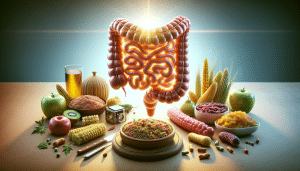
Diet is arguably the most critical factor influencing gut microbiome diversity. Fiber supports good bacteria by acting as a nourishing fuel source, especially found in fruits, vegetables, legumes, and whole grains. Foods like yogurt, kefir, kimchi, sauerkraut, and miso introduce live cultures that can reinforce existing bacteria populations. Choosing a plant-forward approach fills the gut with prebiotics, feeding friendly bacteria and encouraging variety.
Overconsumption of processed foods, added sugars, and unhealthy fats may encourage the growth of less-beneficial bacteria. Highly refined products can contribute to inflammation, decrease microbial diversity, and lead to irregular digestion. By contrast, eating a broad range of natural, whole foods tends to enrich the microbiome. Adding fermented foods provides a gentle, ongoing supply of live microorganisms, helping to restore balance after stress or antibiotics.
Making gradual dietary adjustments is often more sustainable and digestively comfortable than rapid, dramatic changes. Hydration, too, plays an underrated role: water supports the transport of nutrients and the smooth removal of waste. Experimenting with different sources of plant fiber allows each person to learn what feels best for their digestion and energy (Source: https://www.cdc.gov/foodsafety/communication/gut-bacteria.html).
Gut Bacteria, Chronic Disease, and Prevention
Scientists continue to unravel how gut bacteria influence the risk and progression of chronic diseases. Certain microbiome profiles have been associated with metabolic disorders such as type 2 diabetes and obesity. Inflammatory bowel diseases, like Crohn’s and ulcerative colitis, also appear linked to imbalances in gut microbes. Early evidence hints that fostering a diverse, healthy microbiome could act as a buffer against these conditions for some individuals.
Research is now exploring connections between gut bacteria and conditions far beyond digestion, from heart health to autoimmune trends. For example, some studies indicate that microbial metabolites may reduce inflammation in the cardiovascular system or help regulate cholesterol levels. By nurturing the gut ecosystem, many hope to tap into proactive disease prevention—though this is a complex and ongoing scientific investigation.
Prevention is not only about what is avoided, but also what is consistently supported. By prioritizing daily actions—such as mindful eating, physical activity, and limiting chemical stressors—gut bacteria are given the chance to thrive. These choices may help tip the scales toward health maintenance. Even small, repeated changes can shape future outcomes (Source: https://www.nih.gov/news-events/nih-research-matters/gut-microbiome-health).
Building Gut-Healthy Habits for Everyday Life
Sustaining healthy gut bacteria doesn’t require a drastic lifestyle overhaul. Simple, steady routines are powerful: consistent sleep patterns, regular movement, and meal balance all nurture the microbiome. Stress can disrupt gut flora, so adopting strategies like mediation, deep breathing, or gentle walking is beneficial for both mind and gut. Routine and moderation underpin lasting gut wellness.
Tracking changes in digestion, mood, or energy can serve as subtle clues for microbiome health. Many find that keeping a brief food and symptom journal affords clarity about which habits help versus hinder gut comfort. Building these observations into lasting routines transforms experimental changes into manageable rituals—health develops one habit at a time.
Nourishing the gut also extends beyond food. Social interaction, time outdoors, and avoiding excessive sanitization help train a resilient microbiome. Curious exploration—tasting new foods, trying different movement practices, learning about local fermented products—keeps the gut ecosystem diverse. Everyday living becomes a playground for nurturing digestive well-being (Source: https://www.nature.com/articles/d41586-023-02097-9).
References
1. National Institute of Diabetes and Digestive and Kidney Diseases. (n.d.). The Human Microbiome. Retrieved from https://www.niddk.nih.gov/health-information/digestive-diseases/microbiome
2. Harvard T.H. Chan School of Public Health. (n.d.). The Microbiome. Retrieved from https://www.hsph.harvard.edu/nutritionsource/microbiome/
3. American Psychological Association. (2012). That gut feeling. Monitor on Psychology, 43(8). Retrieved from https://www.apa.org/monitor/2012/09/gut-feeling
4. Centers for Disease Control and Prevention. (n.d.). Gut Bacteria in Health. Retrieved from https://www.cdc.gov/foodsafety/communication/gut-bacteria.html
5. National Institutes of Health. (2019). Gut microbiome and health. Retrieved from https://www.nih.gov/news-events/nih-research-matters/gut-microbiome-health
6. Nature. (2023). How gut microbes fight disease. Retrieved from https://www.nature.com/articles/d41586-023-02097-9

 Small Space Living Tips That Transform Your Home