Tips for Organizing a Productive Home Office
Thomas Blake September 22, 2025
A well-organized home office is essential for maintaining focus, efficiency, and work-life balance. Tips for organizing a productive home office focus on creating an environment that supports concentration, minimizes distractions, and enhances comfort. Thoughtful planning, ergonomic considerations, and effective workflow strategies can transform a home office into a space that fosters productivity and professional success.
This article explores practical strategies for home office organization, covering space design, furniture selection, lighting, digital tools, decluttering, and personal touches to optimize efficiency and well-being.
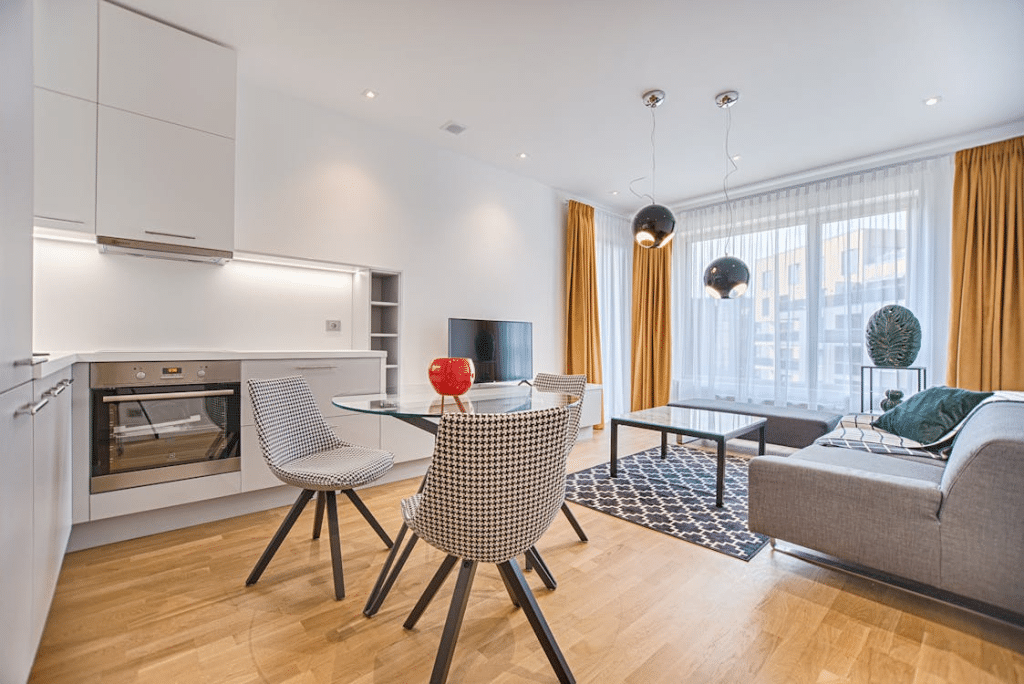
1. Assess Your Space and Layout
The foundation of a productive home office is a functional layout.
- Measure your space to plan furniture placement efficiently.
- Identify natural light sources and power outlets for desk positioning.
- Allocate distinct areas for work, storage, and relaxation if possible.
Journal of Environmental Psychology (2022) highlights that strategic space planning improves workflow, reduces stress, and enhances focus in home office environments.
2. Choose Ergonomic Furniture
Comfortable and supportive furniture reduces fatigue and promotes focus.
- Invest in an ergonomic chair that supports proper posture.
- Use adjustable desks to alternate between sitting and standing.
- Consider keyboard trays, monitor stands, and footrests to optimize ergonomics.
Harvard Business Review (2023) emphasizes that ergonomic furniture improves productivity, reduces physical strain, and supports long-term health.
3. Optimize Lighting
Proper lighting enhances focus and reduces eye strain.
- Maximize natural light by placing desks near windows.
- Use task lighting such as adjustable desk lamps for focused work.
- Incorporate soft ambient lighting to reduce glare and enhance comfort.
Lighting Research & Technology (2022) reports that appropriate lighting improves cognitive performance, mood, and attention in workspaces.
4. Declutter and Organize
A tidy workspace reduces distractions and enhances mental clarity.
- Use shelves, drawers, and storage boxes to organize office supplies.
- Implement a clean-desk policy for essential items only.
- Label storage to simplify retrieval and maintain order.
Journal of Environmental Psychology (2022) notes that decluttered workspaces enhance focus, reduce stress, and improve task efficiency.
5. Digital Organization
Managing digital files and tools is essential for a productive workflow.
- Organize documents into clear folder structures on your computer or cloud storage.
- Use task management apps like Trello, Asana, or Notion to track projects.
- Maintain a consistent naming system for files and emails to reduce search time.
Frontiers in Psychology (2023) emphasizes that digital organization reduces cognitive load, prevents lost information, and streamlines workflow.
6. Personalize Your Workspace
Thoughtful personalization enhances motivation and well-being.
- Add plants or greenery to improve mood and air quality.
- Display motivational quotes, artwork, or personal achievements.
- Maintain a balance between personalization and clutter to avoid distractions.
Frontiers in Psychology (2022) highlights that personalized environments increase engagement, focus, and satisfaction in workspaces.
7. Manage Noise and Distractions
A quiet environment supports concentration and productivity.
- Use noise-canceling headphones or white noise machines.
- Choose a dedicated workspace away from high-traffic areas.
- Set boundaries with family members or roommates to minimize interruptions.
Journal of Applied Psychology (2022) reports that reducing noise and environmental distractions enhances focus and task performance.
8. Optimize Workflow and Task Management
Structured workflows improve efficiency and task completion.
- Use time-blocking techniques to allocate dedicated periods for focused work.
- Prioritize tasks with to-do lists or digital planners.
- Break complex projects into manageable steps to reduce overwhelm.
Harvard Business Review (2023) emphasizes that structured workflow strategies improve productivity, reduce stress, and support consistent output.
9. Incorporate Technology and Automation
Smart tools simplify routine tasks and enhance productivity.
- Automate repetitive tasks such as email sorting or reminders.
- Use cloud collaboration tools to manage projects and communicate with remote teams.
- Integrate calendar apps and notifications to stay organized and on schedule.
TechCrunch (2023) highlights that technology and automation reduce manual effort, streamline workflows, and improve task management.
10. Maintain Work-Life Balance
A home office should support professional productivity without compromising personal life.
- Set clear working hours to separate work from personal time.
- Take regular breaks and stretch to maintain energy and focus.
- Create visual cues or boundaries to signal when work begins and ends.
Frontiers in Psychology (2022) notes that maintaining work-life balance in home office settings improves mental clarity, motivation, and overall well-being.
Conclusion
Tips for organizing a productive home office include assessing space layout, choosing ergonomic furniture, optimizing lighting, decluttering, digital organization, personalization, managing noise, structured workflow, leveraging technology, and maintaining work-life balance.
By implementing these strategies, individuals can create home office environments that enhance focus, efficiency, and satisfaction. Thoughtful design, organization, and routine management support sustained productivity and professional success while promoting comfort and well-being.
References
Journal of Environmental Psychology (2022). Workspace Design and Productivity. Available at: https://www.journals.elsevier.com/journal-of-environmental-psychology
Harvard Business Review (2023). Ergonomics and Home Office Efficiency. Available at: https://hbr.org
Lighting Research & Technology (2022). The Role of Lighting in Work Performance. Available at: https://journals.sagepub.com/home/lrt
Frontiers in Psychology (2022). Personalization and Productivity in Workspaces. Available at: https://www.frontiersin.org
Journal of Applied Psychology (2022). Environmental Distractions and Focus. Available at: https://www.apa.org/pubs/journals/apl
TechCrunch (2023). Automation Tools for Remote Work. Available at: https://techcrunch.com

 Fitness Routines That Fit Busy Schedules