Simple Ways You Can Transform Your Garden Space
Thomas Blake October 31, 2025
Curious about turning your outdoor space into a lush, relaxing retreat? Discover practical tips and techniques for sustainable landscaping, plant selection, and easy design tricks to help you shape a garden that brings joy, color, and comfort to everyday life.
Understanding Your Garden’s Potential
Every garden, whether big or small, offers unique opportunities. The first step in transforming a garden space is understanding the site’s soil type, sunlight patterns, and drainage. Knowing your garden’s particular microclimate makes plant selection more successful and reduces maintenance headaches in the future. Matching the right plants to your home’s conditions supports healthier growth, which can result in a more vibrant and hearty garden year-round. Simply observe where sunlight falls throughout the day and check whether water pools or drains quickly—each element helps create a plan customized for your space.
Assessing your needs is key. Do you want an edible garden, a flower show, or a tranquil reading spot? Identifying how you intend to use the outdoor area can guide your design decisions. For growing vegetables, a sunny patch with good soil fertility will be important. Prefer fragrance and color? Opt for blooms that thrive locally. Many homeowners are surprised to find that with small changes, like adding raised beds or seating, their garden can shift from neglected to a favorite room in the house. Let your vision drive the transformation process.
Consider long-term care. A low-maintenance setup saves time and money. Native plants generally require fewer resources and are better adapted to the local climate. Mulching can conserve moisture and reduce weeds, while grouping plants with similar needs helps create microclimates and easier watering routines. With attention to these basics, the foundation is set for a sustainable, enjoyable outdoor haven that grows better as each season passes. Jobs like pruning, feeding, and seasonal cleanups become less demanding, letting you focus more on enjoying your garden.
Choosing the Right Plants for Your Space
The selection of plants can make or break your garden vision. Focus first on native or adaptive species that thrive in your climate. They need less supplemental watering and are often more resistant to local pests and diseases. Plum trees, cone flowers, and hardy ornamental grasses are just a few options that work in a range of gardens. Understanding the mature size of each plant prevents future overcrowding while maintaining the intended look and feel of open garden spaces.
Color and seasonality matter. Many gardeners aim for year-round interest by blending evergreens, seasonal perennials, and flowering shrubs. This approach ensures there is always something eye-catching, even during colder or dormant months. Try planting bulbs in between perennial borders or adding flowering vines along fences. Grouping plants by color—such as pale purples with lush greens or fiery oranges alongside deep reds—provides harmony, contrast, and bursts of energy on a dull day.
Don’t hesitate to experiment with edible options, too. Many vegetables, like kale or rainbow chard, provide structure and color, while herbs such as lavender and sage add fragrance and attract pollinators. Including native wildflowers boosts biodiversity and supports local ecosystems. Most importantly, plan for growth and change—your garden evolves, and so can your plant palette, giving you a new reason to love your backyard each season.
Sustainable Gardening Practices for Beginners
Sustainability is at the heart of modern gardening. By conserving resources, using less water, and avoiding excessive chemicals, gardeners can help create healthier yards and communities. Composting organic waste feeds soil microbes and reduces landfill load. Installing rain barrels catches water for later use. Such techniques minimize environmental impact and support a flourishing, thriving garden for years to come.
Smart irrigation is another step. Drip systems deliver water directly to plant roots, wasting less than overhead sprinklers. Mulching slows down evaporation and keeps soil temperatures stable, especially important in periods of drought or heat waves. For lawns, mowing higher shades roots and encourages deeper growth, which in turn requires less frequent watering. Small shifts like these create a ripple effect for efficiency and conservation.
Consider integrated pest management (IPM) rather than defaulting to chemical pesticides. Attracting beneficial insects, like ladybirds and lacewings, helps manage aphid populations without harsh sprays. Rotating crops and choosing disease-resistant plant varieties keep pests at bay naturally. Learning to recognize friend from foe in your garden ecosystem is both practical and fascinating, making gardening even more rewarding over time.
Creative Ways to Add Texture and Structure
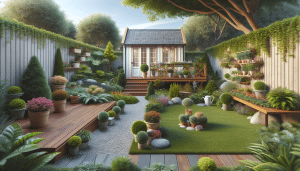
Texture can spark interest in even the simplest garden. Mix broad-leaved hostas with spiky yucca or soft ferns with upright irises for striking contrast. Arrange paths using natural materials—like gravel, bark, or reclaimed bricks—to lead the eye through the landscape. Arbors, trellises, and raised beds define different garden ‘rooms’ and bring year-round form to the setting.
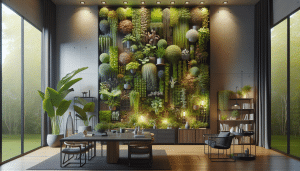
Vertical gardening solutions maximize small spaces. Train vines to climb up supports or install planter walls for an edible or floral display. Hanging baskets and window boxes extend the garden at eye level, making greenery visible from indoors too. These layers not only look appealing but allow more plants to be packed into compact plots, amplifying greenery in urban or balcony settings.
Adding water features—such as birdbaths, ponds, or recirculating fountains—boosts biodiversity. Birds, pollinators, and amphibians benefit from accessible water sources. Arranging rocks, wood stumps, and driftwood can also attract wildlife and add earthy beauty to the landscape. The right mix of height, texture, and shape creates a sense of movement and depth, enlivening the garden throughout each season.
Personal Touches and Seasonal Refreshes
This is where your creativity shines. Reclaimed planters, whimsical garden art, and DIY stepping stones all add character unique to you. Larger spaces might feature cozy fire pits, painted fences, or custom outdoor seating. For renters or those on tight budgets, even small upgrades—like solar string lights or painted rocks—can transform atmosphere on a shoestring. Your garden, your rules.
Keeping the garden fresh doesn’t require a full overhaul each year. Change up annuals each season for color variety, or rotate container displays to highlight new combinations. Consider seasonal bulbs, flowering branches, or creative mulch patterns as cost-effective ways to signal the changing calendar. Maintaining curiosity for simple swaps sustains a dynamic space without exhausting energy or resources.
Finally, involve friends and family—gardens are often best enjoyed together. Share extra seedlings, coordinate a neighborhood compost swap, or work side-by-side on garden projects. These social moments add meaning to the space. Celebrate successes, learn from setbacks, and remember: the process itself is as important as the finished backyard view. Enjoy every step along the way.
Maintaining Healthy Soil and Plant Life
Good gardens begin with the ground. Healthy soil acts as both nutrient reservoir and water sponge for plant roots. Enrich existing soil with organic compost, well-rotted manure, or green manures like clover. Test your soil every few years if possible, learning what amendments might help balance pH or improve structure. Amendments are as much about building life underground as what grows above it.
Feed plants thoughtfully. Too much fertilizer can cause more harm than good; follow label instructions or use slow-release organic fertilizers as needed. Mulch not only nourishes the soil but shields roots from temperature swings and erosion. Regularly turning compost into borders and beds maintains fertility, supports water retention, and fosters the beneficial microorganisms that fuel plant vigor and insect resistance.
Watch for disease and ensure good airflow by spacing plants appropriately. Pruning and deadheading encourages rebloom and keeps growth lush. Encouraging natural predators, maintaining healthy soil microbiomes, and paying attention to plant signals can reduce chemical dependence and keep the landscape robust. Each thriving plant signals a garden in balance—a living work of art that continues to unfold.
References
1. Royal Horticultural Society. (n.d.). Soil and Gardening. Retrieved from https://www.rhs.org.uk/soil-composts-mulches/soil-types
2. United States Environmental Protection Agency. (n.d.). Green Landscaping. Retrieved from https://www.epa.gov/green-infrastructure/what-green-landscaping
3. National Wildlife Federation. (n.d.). Native Plant Finder. Retrieved from https://www.nwf.org/nativeplantfinder/
4. University of Minnesota Extension. (n.d.). Creating Sustainable Yards. Retrieved from https://extension.umn.edu/sustainable-landscaping
5. The Spruce. (n.d.). Low-Maintenance Garden Ideas. Retrieved from https://www.thespruce.com/low-maintenance-gardens-1402509
6. Cornell University Cooperative Extension. (n.d.). Gardening Resources. Retrieved from https://gardening.cals.cornell.edu/

 What Sets Thriving Entrepreneurs Apart