Simple Habits That May Transform Your Gut Health
Emily Ward October 27, 2025
Unlock the secrets behind better digestion, energy, and overall well-being as this detailed wellness guide explores simple, research-backed habits that may help transform gut health. Learn how small changes can make a big difference for your digestive system, immune response, and daily vitality.
Understanding Gut Health and Why It Matters
Gut health is a trending topic, but it means much more than just avoiding discomfort after meals. The gut, or digestive tract, is home to trillions of microbes. Collectively, these tiny organisms form the gut microbiome, which is linked to digestion, immunity, mood, and metabolic wellness. When gut health is balanced, the benefits often ripple throughout the body, supporting natural defenses and daily comfort. Exploring the connection between the gut and other bodily systems has led researchers to identify specific lifestyle habits that make a real difference. From what you eat to how you manage stress, these choices all influence the gut in ways many never considered.
A healthy gut encourages effective digestion, helping the body extract energy and nutrients. Issues like bloating, irregularity, or discomfort can often trace back to gut imbalances, sometimes caused by inflammation or shifts in the microbial community. Even mental clarity and sleep patterns can relate to gut status, since the gut-brain axis sends signals that affect mood and cognitive function. It’s fascinating how people report improvements in energy and focus when their digestion feels balanced. Medical experts suggest that building daily routines purposely supporting gut flora can bolster overall health and even help prevent some chronic issues (Source: https://www.niddk.nih.gov/health-information/digestive-diseases).
Maintaining a supportive gut environment is about more than avoiding problem foods. The body thrives when you nurture the diversity and strength of your intestinal flora. Probiotics, prebiotics, fiber, hydration, and even regular movement all contribute to a healthy digestive ecosystem. These habits not only improve how you feel, but they can also have lasting benefits according to long-term studies. Begin with simple steps, like adding more whole foods or making time for gentle activity, to encourage a supportive shift in your gut microbiome. Each adjustment may feel small but can deliver remarkable improvements over weeks and months.
Daily Nutrition Habits for a Happy Gut
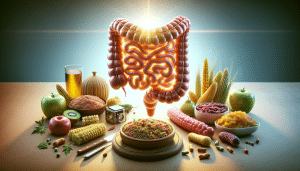
Nutrition plays a crucial role in shaping gut health. Consuming a diet rich in dietary fiber, prebiotics, and diverse plant-based foods can support more resilient gut flora. Fibrous options such as beans, whole grains, fruits, and vegetables serve as nourishment for healthy bacteria, allowing beneficial microbes to thrive. Including probiotic-rich foods like yogurt or fermented vegetables also helps maintain a balanced microbial ecosystem. Many report fewer digestive issues and better mood after consistently eating more fiber and fermented foods. Even subtle changes, like replacing a snack with fruit or adding seeds to a salad, can have lasting effects (Source: https://www.hsph.harvard.edu/nutritionsource/probiotics-and-prebiotics/).
Maintaining hydration is another essential habit for gut comfort. Water keeps the contents of the digestive tract moving, preventing sluggishness and supporting nutrient absorption. Herbal teas and water-rich foods can supplement hydration needs and ease digestion. Additionally, minimizing ultra-processed snacks, excess sugar, and highly refined oils supports gut-friendly routines. Many notice that gut-related discomforts diminish when sugary, processed snacks are swapped for fresh, whole options. This simple switch is one of the most impactful for long-term digestive wellness, according to dietary researchers focused on gut-brain interactions (Source: https://www.ncbi.nlm.nih.gov/pmc/articles/PMC5641835/).
Instead of overhauling everything at once, gradual changes make the process sustainable. Trying “Meatless Mondays,” exploring ancient grains, or building colorful salads can expand the variety of gut-supporting nutrients you enjoy. Every positive shift can enhance the resilience of your digestive system over time. It’s about variety, consistency, and choosing foods that align with your body’s needs. These habits don’t just aid digestion; they lay the foundation for better immune support and improved energy for many people who stay consistent (Source: https://www.cdc.gov/nutrition/data-statistics/know-your-limit-for-added-sugars.html).
The Gut-Brain Connection and Emotional Wellness
Gut health and brain health have a surprising connection. Scientists call this relationship the “gut-brain axis”—a two-way communication system where gut microbes send signals affecting mood, mental clarity, and even stress response. Mood fluctuations, anxious feelings, or sleep troubles can sometimes trace back to what’s happening in the digestive tract. This doesn’t mean food alone controls feelings, but nourishing the gut can provide an additional layer of wellness support. Health experts suggest mindful eating—taking slow, present bites—to help activate this beneficial connection (Source: https://www.mentalhealth.org.uk/explore-mental-health/a-z-topics/healthy-gut-healthy-mind).
Daily stress impacts the microbiome. Chronic stress hormones can shift gut balance, sometimes resulting in irregularity or heightened discomfort. Relaxation techniques—like deep breathing, gentle yoga, or walking—are shown to ease tension and support digestive flow. Managing stress doesn’t always mean dramatic lifestyle changes. Even a few minutes of mindful breathing, tuning into sensations during meals, or enjoying calming music can positively affect both gut and mood. Regular relaxation is a powerful, often underrated, aid for maintaining digestive comfort.
Recognizing the links between emotional states and physical health encourages holistic self-care. Practicing gratitude, keeping regular sleep patterns, and having supportive social connections can all buffer the effects of stress on digestion. Some people find their gut health improves after adjusting nighttime routines, trying calming teas, or enjoying a digital wind-down before bed. Every gut-nourishing habit can, in turn, help support balanced mood, better focus, and smoother sleep cycles—key elements of a thriving life.
Movement and Gut Function: More Than Exercise
Physical activity does more than tone muscles; it also stimulates digestive health. Regular movement, like brisk walking, stretching, cycling, or swimming, encourages gut motility and reduces the risk of occasional sluggishness. Exercise helps regulate the transit of food and waste, bringing relief for those who experience irregularity. Even light movement after meals may contribute to a more comfortable digestive process. Many studies show that people who move consistently report better energy and fewer digestive complaints (Source: https://www.gastrojournal.org/article/S0016-5085(16)35405-X/fulltext).
Consistency, rather than intensity, is key. There’s no need to commit to demanding routines. Gentle yoga, tai chi, and simply parking farther away from the store can make a difference. Physical activity helps increase the diversity of gut bacteria and supports the body’s ability to deal with stress—a crucial factor for wellness. Establishing a routine where movement naturally fits alongside meals or breaks helps reinforce beneficial gut patterns. Even simple rituals, like stretching in the morning or taking walks after dinner, promote ongoing gut comfort and mental clarity.
For those who are new to exercise, small steps bring measurable change. Over time, regular movement may improve sleep, mood, and immune resilience, creating a positive feedback loop in which gut health and general wellness work together. Consider tracking your activities or joining a friendly movement group; social motivation can make new habits enjoyable and stick for the long run. Gentle consistency is more important than short bursts, and the rewards may include more comfortable digestion and an overall greater sense of vitality.
Hydration and Sleep: Foundations of Digestive Wellness
Water is a central pillar of gut health. Staying well-hydrated keeps digestive processes flowing, helps break down food, and encourages regular waste elimination. Insufficient fluid intake can slow down digestion, sometimes causing discomfort. Aim for both water-rich foods—like cucumbers, melons, or soups—and consistent sips throughout the day. Many benefit from keeping a reusable water bottle visible and setting gentle reminders to drink. Hydration is a simple, accessible, and underappreciated way to support digestive wellness (Source: https://www.niddk.nih.gov/health-information/digestive-diseases/digestive-system-how-it-works).
Quality sleep is closely linked to gut function and comfort. Disrupted or insufficient sleep may influence the balance of gut bacteria and how well waste is processed. Developing a winding-down ritual—lower lights, comfortable bedding, and no blue screens—sets the stage for restorative rest. It’s not just the hours but also the regularity of sleep time that matters. Individuals with steady bedtime patterns often report a noticeable lift in both energy and digestive comfort. Simple measures, like dimming lights or practicing deep breathing, can profoundly affect both rest and gut wellness.
When sleep and hydration routines are linked together, the results can be remarkable. Both support the body’s daily repair cycle and keep stress hormones in check. Some find that a relaxing herbal tea (such as chamomile or peppermint) serves double duty: aiding relaxation before bed and soothing digestive tract muscles. Building these foundational habits may seem basic, but the long-term benefits for gut and overall health become apparent with time, consistency, and attention to self-care cues.
Recognizing When to Seek Support for Gut Health
While simple habits support most people’s digestive wellness, recurring or severe discomfort should not be ignored. Frequent bloating, significant changes in bowel habits, unexplained weight changes, or persistent pain may indicate underlying conditions needing professional input. It’s important to understand common symptoms versus those that warrant medical attention, especially for individuals with a family history of gastrointestinal disorders. Keeping a symptom diary can help providers offer guidance based on patterns—not just isolated incidents (Source: https://www.gastro.org/practice-guidance/gi-patient-center/topic/irritable-bowel-syndrome-ibs).
Gastroenterologists are trained to help identify triggers and, when needed, offer structured plans for ongoing gut support. New research is available each year on conditions like irritable bowel syndrome, food sensitivities, and gut-brain disorders. Exploring credible resources, such as those from national digestive health organizations, ensures that people get up-to-date, evidence-based advice. Self-guided changes help many, but ongoing or new symptoms always deserve respect and proper evaluation for peace of mind and safety.
Partnering with a health care team doesn’t mean giving up control over decisions. Instead, it brings reassurance and clarity. Even when symptoms are mild or sporadic, check-ins and periodic reviews help maintain digestive wellness in the long run. Gut health plays a role in energy, immunity, and happiness—so supporting it through both habits and professional input creates an empowered approach to lifelong wellness.
References
1. National Institute of Diabetes and Digestive and Kidney Diseases. (n.d.). Digestive Diseases. Retrieved from https://www.niddk.nih.gov/health-information/digestive-diseases
2. Harvard T.H. Chan School of Public Health. (n.d.). The Nutrition Source: Probiotics and Prebiotics. Retrieved from https://www.hsph.harvard.edu/nutritionsource/probiotics-and-prebiotics/
3. National Institutes of Health. (2017). Brain-Gut Interactions in Health and Disease. Retrieved from https://www.ncbi.nlm.nih.gov/pmc/articles/PMC5641835/
4. Mental Health Foundation. (n.d.). Healthy Gut, Healthy Mind. Retrieved from https://www.mentalhealth.org.uk/explore-mental-health/a-z-topics/healthy-gut-healthy-mind
5. Gastroenterology. (2016). Exercise-Induced Changes in Gut Microbial Composition. Retrieved from https://www.gastrojournal.org/article/S0016-5085(16)35405-X/fulltext
6. American Gastroenterological Association. (n.d.). Irritable Bowel Syndrome (IBS). Retrieved from https://www.gastro.org/practice-guidance/gi-patient-center/topic/irritable-bowel-syndrome-ibs

 You Might Miss These Small Business Grant Insights