Secrets That Make Your Indoor Plants Thrive
Thomas Blake September 25, 2025
Curious how some indoor plants stay lush and vibrant all year? This guide reveals tips for keeping houseplants healthy, offers strategies for tackling common problems, and showcases plant care secrets you can start using right away.
Choosing the Perfect Indoor Plants for Lasting Joy
Picking the right indoor plants shapes the entire plant-care journey. With so many stunning options available, each bringing a unique feel and texture to your living space, it can become overwhelming to know where to start. Consider your home’s light levels first—different varieties thrive best in particular environments. Snake plants and pothos, for example, adapt well to low-light spaces, while succulents and fiddle leaf figs crave sunlight. Matching these needs helps seedlings settle in successfully and grow with vigor.
Air quality, size, and growth habits also play a significant part in your decision. Some species, such as peace lilies, not only look beautiful but also contribute to fresher air inside, making them a popular choice for bedrooms and offices. Others, like spider plants, have trailing leaves that add movement and drama to bookshelves or windowsills. When picking plants, consider potential allergies too. Pet owners should check toxicity to animals before bringing home new greenery. Researching these details helps everyone—plants and people—enjoy indoor gardens safely.
Care requirements vary broadly from plant to plant. Some need weekly misting or specific potting mixes, while others are more forgiving. Understanding these before purchase prevents frustration and wasted investment. Nurseries and garden centers often label care guidelines, letting beginners spot low-maintenance choices. If the selection feels daunting, ask local experts or explore online resources like university extension programs. A well-matched plant brings beauty and peace of mind, setting the stage for thriving growth for years to come. https://hgic.clemson.edu/factsheet/houseplants-selection-care/
Creating an Ideal Light Environment Indoors
Light is the foundation for plant health. Most houseplants evolved in understory forests and have adapted to varying levels of brightness. Place sun-loving varieties—like succulents or cacti—on windowsills that catch several hours of direct sunlight each day. In contrast, species such as ferns do well away from harsh light, thriving in indirect exposure or near shaded windows. Recreating native light conditions keeps foliage lush and prevents common issues like leaf scorch or yellowing. Using sheer curtains helps filter strong sun to avoid stressing delicate specimens.
Rooms with limited natural light present unique challenges. Here, artificial grow lights become useful for supplementing daylight and keeping growth steady even through darker months. Light-emitting diode (LED) lamps tailored for horticulture offer energy-efficient solutions for plant tables or shelves. Position them above plant canopies at the recommended distance to mimic sunlight while avoiding overheating. Rotate containers every few weeks to encourage even leaf development and upright growth—especially for tall or trailing varieties. Creating these little rituals makes indoor gardening more interactive and rewarding.
Each plant “speaks” through its appearance. Pale, spindly stems may indicate insufficient light, whereas crispy, brown edges can suggest excess. Pay attention to visual cues, adjusting placement and exposure accordingly. Some owners install mirrors to bounce natural light deeper into shadowy corners. Others experiment with mobile stands, changing plant locations by season. By staying observant and flexible, indoor gardeners ensure their green friends get the brightness they crave, building resilience and color. https://extension.umn.edu/houseplants/growing-indoor-plants-light
Mastering Water and Humidity for Healthier Plants
Watering routines can make or break an indoor plant collection. Unlike outdoor gardens, houseplants are boxed into pots with limited soil—and room for error shrinks. Overwatering is a common mistake, leading to yellow leaves, root rot, and fungal issues. Start with finger-checks: poke the top inch of soil before watering, adding moisture only when soil feels dry. Many tropical houseplants prefer a consistent level, while succulents and cacti thrive with infrequent soaking and plenty of drainage.
Humidity also crafts the perfect backdrop for lush growth. Most indoor plants hail from rainforest regions where air is naturally moist. Central heating and cooling systems, however, often drop air moisture well below their native environments. Addressing this is simple. Mist leaves gently, cluster pots to create microclimates, or set trays of water near radiators. For more precise control, some plant lovers invest in humidifiers, especially for sensitive species like calatheas or maidenhair ferns. Observing leaf curling or browning edges might signal it’s time to tweak your setup.
Container and soil selection also affect how water and humidity are retained. Choose pots with drainage holes and fast-draining mix for species vulnerable to rot. Some experts recommend self-watering planters, which can be a supportive measure for travel or busy lifestyles. Keep in mind, though, that too much convenience can mask underlying issues, so keep an eye on root health. By experimenting and learning from each plant’s unique needs, a thriving indoor garden is just a watering can away. https://www.rhs.org.uk/house-plants/care
Nutrition and Potting: Laying the Groundwork for Growth
Soil is far more than a resting place for roots; it’s the nutrient hub for every indoor plant. Most houseplants need a balanced mix—peat, perlite, and bark—designed to mimic their natural environment. Specialized blends are available for species with particular needs, such as orchids or African violets. Repotting every year or two refreshes soils, replaces depleted nutrients, and gives roots space to spread. Look for signs of crowding—roots circling the pot or sluggish new growth can mean it’s time for an upgrade.
Fertilizing with the right mix at the right time boosts plant health further. Slow-release granules or liquid feeds can be used sparingly during the growing season, then paused during cooler winter months when growth slows down. Too much fertilization can do more harm than good, leading to burned roots or leaf tip browning. Read product instructions carefully and dilute liquid fertilizers to half-strength for most houseplants. Compost teas and natural amendments also offer gentle nutrition for organic gardeners wanting to avoid synthetic inputs.
Container choice matters too. Decorative cachepots hide utilitarian nursery pots, but always allow for water to drain freely. Roots suffocated by standing water are vulnerable to rot. Consider lightweight ceramic or plastic containers for easy handling, especially for large specimens. When shifting plants into new pots, gently tease out root tangles to encourage growth in all directions. This encourages stability and active absorption in the months ahead. https://extension.psu.edu/houseplant-care-water-light-fertilizer-and-repotting
Troubleshooting Common Indoor Plant Problems
Most plant parents encounter setbacks sooner or later: wilting, droopy leaves, or brown tips. Diagnosing these signs can feel intimidating. Frequently, the culprits are related to water, light, or pests. Overwatering remains one of the leading causes of distress. Catch the warning signs early—yellowing leaves or a musty odor signal trouble below the surface. Address these by adjusting your watering routine, improving drainage, and giving roots time to recover.
Pest problems also strike indoor plants, particularly spider mites, mealybugs, or fungus gnats. While small infestations rarely harm mature plants, unchecked colonies grow quickly. Inspect foliage for webbing or sticky residues. Isolate affected plants, use gentle insecticidal soap or neem oil, and remove pests by hand when possible. Maintaining good airflow and regularly cleaning leaves reduce risk, too. Prevention is simpler than cure, so make a habit of inspecting leaves and stems during each watering session for early detection.
Other problems, like stunted growth or leaf loss, may relate to temperature extremes or nutrient deficiencies. Keep plants away from drafty doors or fluctuating heat sources. Use a balanced fertilizer to correct visible signs of poor nutrition, and avoid crowding for air circulation. The right care brings once-sad plants back to life. Indoor gardeners often learn most from these challenges, adapting strategies over time and sharing advice with fellow enthusiasts. https://extension.illinois.edu/houseplants/troubleshooting-houseplant-problems
Creating a Vibrant Indoor Garden: Design and Display Tips
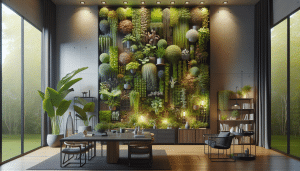
Beyond health, houseplants are an irresistible design element. Arranging small clusters near windows or setting larger specimens in empty corners instantly refreshes rooms. Try pairing different leaf shapes and shades for visual intrigue: broad leaves next to fine, feathery ones, or mixing shades of green with patterned or variegated plants. Using plant stands at varying heights creates movement, while hanging planters add fresh dimension to blank walls.
Displaying groups of plants together creates a humid microclimate, supporting tropical types and cutting down on routine maintenance. Macramé hangers, reclaimed wood shelves, and glass terrariums each offer ways to customize displays for any décor style. Incorporate decorative pots in colors and textures that complement your furniture or wall color. Propagation stations—small vases of cuttings rooting in water—add an interactive display that’s both beautiful and practical for growing new plants from favorites.
Don’t overlook the emotional and wellness benefits, either. Studies suggest indoor plants can reduce stress, sharpen focus, and boost creativity. Creating rituals around tending, watering, or simply admiring leaves invites calm into daily life. Celebrating small victories (the first new leaf or flower) reminds us that patience is rewarded. Sharing cuttings with friends or joining plant swap groups connects you to local gardening communities for inspiration year-round. https://www.ncbi.nlm.nih.gov/pmc/articles/PMC4419447/
References
1. Clemson Cooperative Extension. (n.d.). Houseplants: Selection and Care. Retrieved from https://hgic.clemson.edu/factsheet/houseplants-selection-care/
2. University of Minnesota Extension. (n.d.). Growing Indoor Plants with Success. Retrieved from https://extension.umn.edu/houseplants/growing-indoor-plants-light
3. Royal Horticultural Society. (n.d.). Houseplant Care. Retrieved from https://www.rhs.org.uk/house-plants/care
4. Penn State Extension. (n.d.). Houseplant Care: Water, Light, Fertilizer and Repotting. Retrieved from https://extension.psu.edu/houseplant-care-water-light-fertilizer-and-repotting
5. University of Illinois Extension. (n.d.). Troubleshooting Houseplant Problems. Retrieved from https://extension.illinois.edu/houseplants/troubleshooting-houseplant-problems
6. National Center for Biotechnology Information. (n.d.). Interaction with indoor plants may reduce psychological and physiological stress. Retrieved from https://www.ncbi.nlm.nih.gov/pmc/articles/PMC4419447/

 Unlocking Student Success With Digital Learning Tools