Secrets of Gut Health Your Body Wishes You Knew
Emily Ward September 28, 2025
Curious about why gut health matters? This guide explores the surprising connections between your digestive tract, immune wellness, and daily energy. Uncover how the foods you eat and your lifestyle habits may be influencing more than just your digestion.
Understanding Your Gut’s Hidden Influence
The digestive tract is far more than just a food processing system. It is home to trillions of bacteria—collectively called the gut microbiome—that work together in complex ways. These friendly microorganisms break down food, extract valuable nutrients, and play a direct role in mood, weight, and even immunity. The science of gut health is showing us how the digestive environment shapes overall wellness, from steady energy levels to brain function. More people today want to know how to support their gut naturally to feel their best every day.
What’s interesting is how sensitive the gut ecosystem can be to small changes. Factors like diet, antibiotics, stress, and sleep patterns can rapidly shift the balance between beneficial and potentially harmful bacteria. This shift may influence everything from digestive comfort to how often you catch a cold. People with a diverse microbiome tend to report fewer allergy symptoms, improved digestion, and better overall mental clarity. Diversity is key: a varied and nutrient-rich diet is one way to nudge the gut community in a healthier direction.
Gut health isn’t only about bacteria, though—the intestinal lining and immune cells also play critical roles. A strong gut barrier keeps unwanted substances out of the bloodstream. When this barrier breaks down, it may trigger symptoms such as fatigue or skin changes. Modern research now highlights how probiotics, prebiotics, and even certain fermented foods can help keep the gut ecosystem working efficiently, potentially supporting immune wellness and reducing occasional discomfort (Source: https://www.ncbi.nlm.nih.gov/pmc/articles/PMC5641835/).
How Gut Health Impacts Immunity and Mood
Did you know most of your immune system actually lives in your gut? Specialized tissues in the digestive tract constantly communicate with immune cells, helping the body recognize friendly bacteria and fight off pathogens. This ongoing process shapes not only physical defenses but also emotional well-being. The so-called ‘gut-brain axis’ connects your digestive tract to your mind. Chemical signals produced by gut bacteria travel through nerves and blood, influencing how you feel throughout the day.
When the gut ecosystem becomes unbalanced—a situation sometimes called ‘dysbiosis’—it can impact stress, sleep, and mood. Studies show people with balanced, diverse microbiomes often report lower levels of anxiety and greater resilience when facing daily stress. Serotonin, a key neurotransmitter that helps regulate mood, is produced in large quantities right inside the digestive tract. As a result, gut health and mental wellness are deeply linked. Small steps like adding fiber-rich foods or probiotic foods such as yogurt could support this connection (Source: https://www.health.harvard.edu/diseases-and-conditions/the-gut-brain-connection).
Mental health support is now recognized as part of the gut health approach. It is not unusual for digestive symptoms to worsen during times of emotional stress, and for mood to improve with better gut care. Research into fermented foods, dietary polyphenols, and stress reduction shows promising ways to strengthen gut balance while also boosting mental clarity and emotional calm. Paying attention to both nutrition and stress management strategies can make a real difference (Source: https://www.apa.org/monitor/2012/09/gut-feeling).
Everyday Foods That Support Digestive Wellness
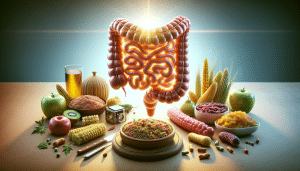
What you eat feeds not just you, but trillions of tiny helpers. Prebiotics—natural plant fibers in foods like onions, garlic, leeks, bananas, and oats—act as nourishment for beneficial bacteria. These fibers pass through the digestive tract mostly undigested, reaching the colon where bacteria ferment them into beneficial compounds. This fermentation supports a healthier gut lining and the production of short-chain fatty acids, which play several protective roles. Even small dietary upgrades can bring long-term benefits for the digestive system.
Incorporating a mix of fruits, vegetables, nuts, seeds, and legumes will introduce new nutrients and plant compounds to your gut’s microbial residents. Including naturally fermented foods like kefir, sauerkraut, kimchi, or miso can offer live cultures and unique flavor too. Probiotics found in these foods help boost the balance of organisms and may aid with occasional digestive discomfort. Even something as simple as adding yogurt or pickles to a meal can foster diversity and resilience in your inner ecosystem (Source: https://www.clevelandclinic.org/health/articles/14646-gut-health).
The Mediterranean diet—rich in vegetables, whole grains, olive oil, and fish—has also been linked to improved gut integrity and lower inflammation. Avoiding ultra-processed foods, reducing added sugars, and choosing whole food snacks can all make it easier for good bacteria to thrive. Hydration matters, too: drinking enough water throughout the day helps your digestive tract stay regular and comfortable. Even one new healthy habit can open doors to better gut function, more comfortable digestion, and greater daily well-being.
Lifestyle Habits for a Resilient Gut
Digestion is more than just food choices. Lifestyle factors—physical activity, sleep quality, and stress exposure—profoundly affect your gut’s resilience. Regular movement, whether it’s a quick walk or active hobby, can stimulate the digestive muscles and support a healthy microbiome. People who remain active often report fewer episodes of bloating or sluggishness. Exercise also helps regulate hormones that influence both hunger and fullness cues, shaping eating patterns in subtle but important ways.
Restorative sleep allows the gut lining to heal and adapt. During deep sleep, your gut bacteria are busy breaking down nutrients and performing crucial tasks. Too little or poor-quality sleep may disrupt both digestion and microbial balance. Maintaining a consistent bedtime, limiting caffeine or screens in the evening, and relaxing before bed can all help. Some sleep experts now suggest gentle practices like yoga or meditation as ways to ease nighttime digestive discomfort and support the mind-gut connection (Source: https://www.sleepfoundation.org/physical-health/gut-health-and-sleep).
Managing stress is equally vital. Chronic tension may weaken the gut lining and worsen symptoms like gas, cramping, or heartburn. Mind-body approaches—deep breathing, mindfulness, or even spending time in nature—are proven ways to calm the nervous system and restore harmony between body and mind. People who prioritize relaxation report not only better emotional balance but also improved digestive comfort. Treating gut wellness as an ongoing lifestyle project can nurture more energy, comfort, and calm throughout the day.
Recognizing When to Seek Professional Support
Occasional digestive symptoms are common, but certain persistent or severe changes suggest it’s time to reach out for professional guidance. Intense abdominal pain, unexplained weight loss, consistent bloating, or frequent diarrhea and constipation should not be ignored. In some cases, these symptoms may point to underlining conditions such as food intolerances, irritable bowel syndrome, or inflammatory bowel diseases. Early evaluation helps ensure appropriate care and lasting relief.
Healthcare professionals have tools to diagnose gut-related concerns and recommend tailored strategies. This might include specialized diets, targeted probiotics, or further testing. Registered dietitians can assist in designing a sustainable eating plan, particularly for those with sensitivities or special needs. Learning to describe symptoms clearly—duration, triggers, changes—can empower you and your care team to find what works best together (Source: https://www.gastro.org/practice-guidance/gi-patient-center/topic/diagnosis).
Trust in the process of gradual improvement. Many gut health journeys involve ongoing learning, experimentation, and guidance. Reliable sources, such as academic medical centers and public health resources, can offer valuable information when needed. Remember that persistent gut struggles are never something to ignore; they’re an important clue to investigate alongside professional support for the healthiest, happiest you.
Simple Steps to Start Nurturing Your Gut
Improving gut health isn’t about drastic changes; small, sustainable steps can bring outsized benefits. Begin with simple swaps—like adding colorful vegetables, whole grains, and functional fermented foods into your regular meals. Gradually introduce new foods, paying attention to how your body responds. The journey is highly individual, so listen to gentle signals from your digestive system and adjust your routine over time. Patience allows for gradual shifts without overwhelming your body.
Don’t overlook daily choices outside the kitchen. Practicing mindful eating, drinking water throughout the day, and moving regularly create a nurturing environment for beneficial bacteria. Reduce stress by using relaxation techniques or carving out time for activities that bring joy or calm. Even just a ten-minute wellness practice can translate into real gains for gut comfort and mood balance (Source: https://www.mayoclinic.org/diseases-conditions/indigestion/in-depth/gut-health-tips/art-20433689).
The path to better digestive function is ongoing and ever-evolving. Celebrate every positive change, no matter how minor. Stay open to new information from trustworthy guides—scientific articles, healthcare providers, or expert-led wellness platforms. As understanding of gut health deepens, everyone has more tools than ever before to support lasting vitality and well-being, from the inside out.
References
1. Bäumler, A. J., & Sperandio V. (2016). Interactions between the microbiota and pathogenic bacteria in the gut. Retrieved from https://www.ncbi.nlm.nih.gov/pmc/articles/PMC5641835/
2. Harvard Health Publishing. (n.d.). The gut-brain connection. Retrieved from https://www.health.harvard.edu/diseases-and-conditions/the-gut-brain-connection
3. American Psychological Association. (2012). That gut feeling. Retrieved from https://www.apa.org/monitor/2012/09/gut-feeling
4. Cleveland Clinic. (n.d.). How can I keep my gut healthy? Retrieved from https://www.clevelandclinic.org/health/articles/14646-gut-health
5. Sleep Foundation. (n.d.). Gut health and sleep. Retrieved from https://www.sleepfoundation.org/physical-health/gut-health-and-sleep
6. Mayo Clinic. (n.d.). Gut health tips. Retrieved from https://www.mayoclinic.org/diseases-conditions/indigestion/in-depth/gut-health-tips/art-20433689

 Unexpected Ways Financial Literacy Impacts You