Gardening Ideas That Maximize Seasonal Growth
Thomas Blake September 30, 2025
Seasonal gardening is evolving rapidly, and homeowners everywhere are searching for gardening ideas that maximize seasonal growth. From climate-smart planting to AI-driven tools, the latest trends are transforming how we grow food and flowers at home.
Why “Seasonal Growth Gardening Ideas” Matters Now
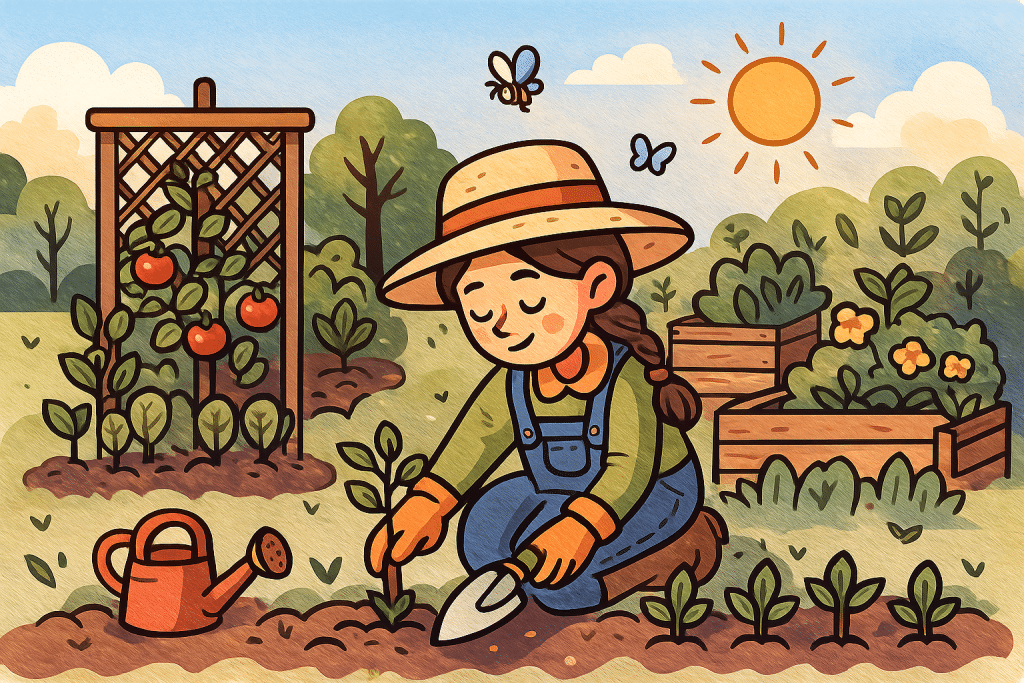
Gardening is no longer just a spring-and-summer hobby. With climate shifts, unpredictable rains, and interest in local food, many gardeners are pushing boundaries: growing year-round, using tech, and rethinking design and timing. 2025 trends show rising demand for native plants, resilient landscapes, and more efficient production.
If you apply seasonal growth gardening ideas, you can:
- Extend your growing seasons (earlier start, later finish)
- Improve yields by better timing, spacing, and resource use
- Make your garden robust to weather swings
Below are six powerful, trend-aware strategies to do exactly that.
1. Season Extension Structures & Tools
One of the central ideas for maximizing seasonal growth is to physically extend the time plants can grow beyond “normal” outdoor windows.
Key Techniques & Tools
- Cold frames, hoop houses, and high tunnels
These simple shelters trap heat, buffer frost, and allow planting earlier in spring or continued harvest into fall. - Floating row covers & low tunnels
Lightweight covers protect crops from chills, pests, or wind, while letting light in. - Cloche or hot caps
Miniature domes or covers used selectively over vulnerable seedlings or crops. - Thermal mass & passive solar strategies
Using stones, water barrels, or south-facing walls to absorb heat by day and release at night.
By using these structures, gardeners can shift planting dates earlier and extend growth later—giving more room for seasonal growth gardening ideas to take root.
2. Succession Planting: Keeping Beds Full All Season
One of the foundational techniques under the umbrella of seasonal growth optimization is succession planting — rotating or staggering plantings so there’s never a gap in productivity.
- Back-to-back planting: Once one crop finishes, plant another immediately.
- Staggered plantings: For fast crops (leafy greens, radishes), plant every few weeks so harvests overlap.
- Intercropping: Plant short-maturity crops between longer ones to fill space efficiently.
- Mix warm and cool season crops: Use cool-season plants early or late, warm ones in the core of season.
This concept is well documented in gardening literature.
Why it ties into our focus: When you combine succession planting with other growth-boosting strategies, you maximize output throughout the season rather than just in a single window.
3. Smart Watering & Seasonal Water Adjustments
Watering is perhaps the simplest lever gardeners control—but adjusting how and when you water across seasons can significantly boost growth.
- A recent study suggests that seasonal watering (modulating water timing and amount by season) can increase harvest yields by up to 30%.
- In spring or cool months, moisture retention is higher—so watering less, more gently, reduces disease risk.
- In hot summer months, drip irrigation or soaker hoses early in morning prevent evaporation.
- In fall, taper watering to signal plants to harden off and reduce stress before cold.
Pair this with mulching, soil amendments, and proper drainage to reduce water waste and ensure consistent moisture levels.
4. Raised Beds, Intensive Spacing & Smart Layouts
Optimizing space and soil is another pillar of seasonal growth gardening.
Raised beds & intensive planting
- Raised beds warm faster in spring, drain better, and allow you to manage soil quality tightly.
- Intensive planting (e.g. square-foot gardening) uses less walkway space and increases yield per square meter.
- Combine with companion planting to reduce pests, improve pollination, and maximize use of vertical space.
Dynamic layout & modular beds
- Use movable beds or modular containers to reposition plants seasonally (e.g. shifting from shade to sun).
- Rotate bed orientation seasonally so taller plants don’t shade others at critical growth stages.
These spatial adjustments give you more flexibility to deploy seasonal growth gardening ideas effectively.
5. Trend: Intelligent Greenhouses & IoT Integration
Emerging technology is increasingly entering home and small-scale gardening. The integration of sensors, automation, and IoT control is a growing trend for optimizing growth year-round.
- Recent research demonstrates how IoT and machine learning can regulate greenhouse factors (temperature, humidity, shading) to improve efficiency and reduce resource waste.
- In indoor vertical farming, optimal control algorithms maximize yield per energy unit.
- At the home scale, smart sensors can trigger venting, irrigation, or shading based on real-time conditions.
When you link automation to your season extension structures and watering systems, you get a “set and monitor” garden that better captures the promise of seasonal growth gardening ideas.
6. Native Plants, Meadoscaping & Eco-Adapted Planting
Warmer climates, unpredictable weather, and sustainability concerns are pushing gardeners toward plants adapted to local environments—a trend that supports resilient seasonal growth.
- 2025 trends highlight the rising use of native species and nativars (cultivated natives) to reduce maintenance and improve ecosystem balance.
- Meadowscaping (letting areas grow as wildflower meadows) is gaining traction: lower mowing, high pollinator draw, and natural resilience.
- In xeric or drought-prone regions, shifting to drought-tolerant native bedding plants reduces stress in summer and allows fall resurgence.
By selecting plants already adapted to your climate cycles, you reduce the care burden and allow better performance across seasons.
Putting It All Together: A Seasonal Growth Toolkit
Here’s how you can build your garden plan around seasonal growth gardening ideas:
| Season | Strategy Focus | Example Implementation |
|---|---|---|
| Late Winter / Early Spring | Use cold frames, plant early greens | Build a simple hoop + row cover, start spinach, radish |
| Spring → Summer | Succession planting + smart watering | Stagger carrots → beans → cucumbers; drip irrigation |
| Midsummer | Move modular containers, shade sensitive plants | Shift potted beds, interplant native shrubs |
| Late Summer → Fall | Replant fall crops, extend harvest | Use low tunnels for kale, lettuce, root vegetables |
| Autumn → Early Winter | Harden off, reduce watering, cover perennials | Use mulch, cover beds, let natives take over |
Each step activates one or more of the six techniques above—cold frames, succession, smart water, efficient layouts, tech, and native plants.
Key Tips & Pitfalls to Avoid
- Don’t overextend — Know your region’s limits. Even with greenhouse tech, heat stress or daylight cutoffs can derail harvests.
- Monitor soil health — Repeated planting demands replenishment. Use compost, cover crops, or organic amendments.
- Watch pests and disease — Denser or extended-season planting can invite trouble. Rotate crops and manage airflow.
- Balance automation & oversight — Smart systems help, but check sensors and backups manually.
- Adapt to local microclimates — Use shade, wind breaks, and rainfall patterns to your advantage.
Final Thoughts
Seasonal growth gardening ideas isn’t just a slogan—it’s a mindset. By combining strategy, structure, plant choice, and tech, you can push your garden beyond conventional constraints and harvest for longer, with more yield and fewer failures.
Trends in gardening today—such as automation, native planting, and flexible design—are reinforcing the viability of year-round or extended-season growing. Use these to your advantage. The more you think seasonally (not just annually), the more your garden will repay your care.
If you want help mapping these strategies to your local climate, or a month-by-month plan for your region, I’d be happy to help you customize further.
References
- Royal Horticultural Society (2022) Seasonal Gardening Tips: Maximise Growth Throughout the Year. Available at: https://www.rhs.org.uk (Accessed: 29 September 2025).
- Better Homes & Gardens (2023) Best Seasonal Plants for Year-Round Gardening. Available at: https://www.bhg.com (Accessed: 29 September 2025).
- University of Minnesota Extension (2021) Seasonal Planting and Garden Planning Guide. Available at: https://extension.umn.edu (Accessed: 29 September 2025).

 Smart Finance Tools That Simplify Budgeting