Tips for Organizing Family-Friendly Outdoor Spaces
Thomas Blake September 18, 2025
Children need room to play, adults want relaxation, and everyone wants the outdoor area to work. The trend in 2025 is transforming backyards, patios, and gardens into family-friendly outdoor spaces that combine safety, comfort, and multifunctionality. Family-friendly outdoor spaces organization is the ideal.
In this guide you’ll learn how to plan, design, and organize outdoor areas so they are welcoming, durable, engaging for kids, and still stylish for adults.
Why “family-friendly outdoor spaces organization” is a hot trend
Before the tips, it helps to understand what’s driving this:
- Indoor-outdoor integration: Many homeowners in 2025 are blurring the lines between indoor and outdoor living, so outdoor areas are becoming more like extra rooms.
- Sustainability & eco-friendliness: Using native plants, recycled materials, low-maintenance surfaces reduces upkeep and supports environmental goals.
- Smart/versatile design: Trends include modular furniture, zones that serve multiple functions (play, dining, relaxing), and infrastructure for changing weather or seasons.
Because of those shifts, organizing outdoor spaces for families now involves more than just picking a swing set or lawn—it requires forethought around safety, flexibility, and comfort.
Key Principles for Organizing Family-Friendly Outdoor Spaces
When reorganizing or designing such spaces, aim to balance three things:
- Safety — from surfaces, materials, environmental hazards
- Comfort — shade, weather protection, seating, ease of use
- Functionality & flexibility — zones for different uses, easy maintenance, adaptability through seasons
Practical Tips & Emerging Trends (2025)
Here are concrete, up-to-date ideas to bring the principles above into real outdoor family spaces.
1. Zone your outdoor space
- Define distinct areas: One for play (kids), one for relaxation/adult conversation, one for dining or working. Using visual boundaries like changes in flooring, plant beds, pergolas helps.
- Multi-level platforms or steps: Use raised decks or terraced patios to separate spaces without walls. This defines zones but keeps cohesion.
- Modular furniture: Seating that can be moved or rearranged to create more open space when needed.
This zoning is reinforced by the trend toward more defined gathering spaces in 2025, rather than huge open patios.
2. Choose materials & surfaces with safety and durability in mind
- Impact-absorbing playground surfaces: If you have a play area, surfaces matter. Natural materials (engineered wood fiber, cork-based materials) are growing in popularity because they reduce environmental toxins and give cushioning against falls.
- Avoid synthetic rubber surfaces treated with harmful chemicals; always check for safety testing, standards compliance.
- Weather-resistant and low-maintenance materials: Composite decking, reclaimed wood, recycled metal, durable outdoor fabrics for cushions. These will stand up to kids, pets, rain, sun.
3. Shade, climate control, and micro-climates
- Shade structures: Pergolas, retractable awnings, large umbrellas: protect kids from sun and make adult space usable during heat.
- Adaptable structures: Screens, retractable walls, or glass fold-opens help in transitioning between seasons while keeping outdoor exposure under control. This supports the indoor-outdoor flow trend.
- Ceiling fans, heaters, misting systems: For warm climates or seasonal variation, these help extend how much you can use the outdoor space.
4. Smart features & technology
- Smart lighting: Timers or motion sensors for safety in the evening; softer ambient lighting in relaxation zones.
- Outdoor audio systems (weatherproof), outlets for charging phones, maybe WiFi extenders if you plan remote work or supervised learning outside. The “productive outdoor offices” trend is rising.
- Automated irrigation and water management: Helps care for plants without you needing to remember so much; saves water. Native plants help too.
5. Design things for growth and flexibility
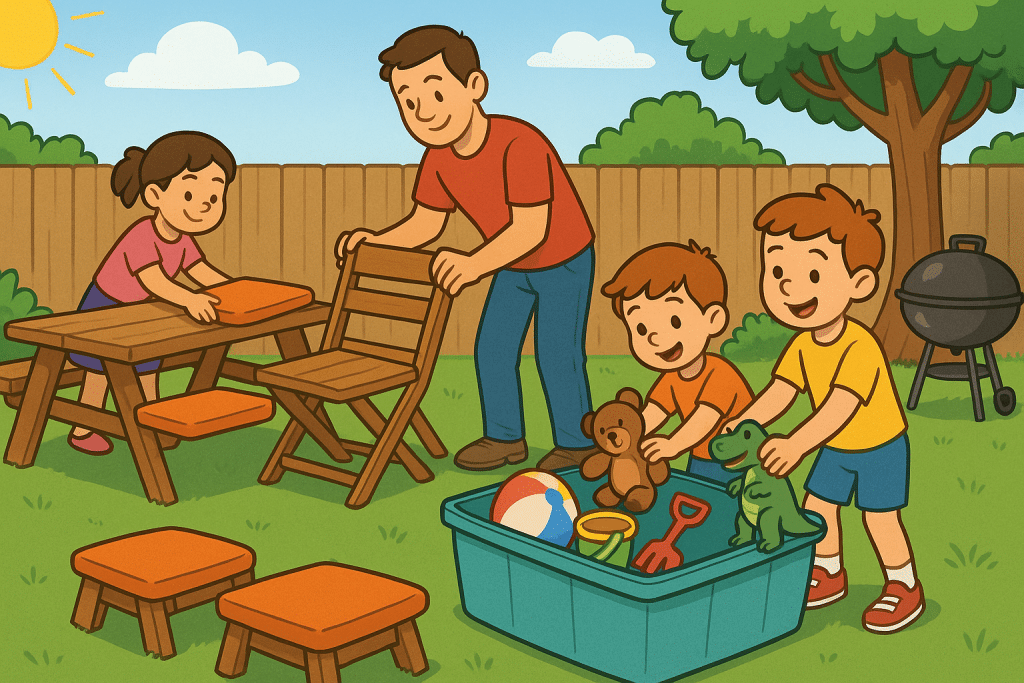
- Furniture that adjusts: Fold-down tables, modular sections, stackable chairs. Kids grow; needs will change.
- Storage solutions: Built-in benches with storage, waterproof boxes for toys, covers for furniture. Keeping clutter under control increases safety and comfort.
- Seasonal adaptability: Things like removable cushions, weatherproof covers, furniture that can be moved or stowed when needed.
6. Green, play-oriented, and sensory elements
- Natural playground design: Logs, boulders, sand or water play, plants to explore: these encourage imaginative and open-ended play.
- Sensory gardens: Fragrant flowers, textured leaves, herbs you can touch and smell. Great for children’s development and adult enjoyment alike.
- Edible plants: Raised beds or small fruit trees can be both instructive and useful. Trend towards integrating edible gardens into family outdoor layouts.
7. Lighting, color, and aesthetic harmony
- Soft, warm color palettes and earthy tones: There is a move away from grays toward warmer hues in decking, paving, furniture. It makes outdoors feel more welcoming.
- Accent lighting for safety and ambiance: Path lights, step lighting, uplights on trees or structures: these help both safety (prevent trips, help visibility) and mood.
- Consistent design motifs indoors and outdoors: Flooring materials, furniture style, color themes that echo your interior make the outdoor space feel like an extension, not a separate afterthought.
Putting it all together: Planning Checklist
Here’s a step-by-step checklist you can use before executing a redesign or organization of your family-friendly outdoor space:
| Step | What to Do |
|---|---|
| 1. Assess usage | Who uses the space (ages, mobility, time of day)? What functions do you need (play, dining, relaxing, work)? |
| 2. Map zones | Sketch layout dividing play, dining, lounging areas; note sun paths and wind direction. |
| 3. Choose ground and surfaces | Safety (playground surfaces), durability, maintenance. |
| 4. Plan shade & shelter | Trees, built structures, umbrellas. Consider seasons. |
| 5. Select furniture & storage | Modular, durable, weatherproof; plan for storage of toys, cushions, tools. |
| 6. Add safety features | Child-safe plants, barriers around pools, non-slip flooring, shade from UV. |
| 7. Install lighting & tech | Path lighting, motion lights, smart systems, outlets; ensure power safety. |
| 8. Incorporate nature & sensory elements | Plants, water/sand play, edible gardens; choose easy to maintain species. |
| 9. Test and adapt | Once in use, watch what works and what doesn’t; adjust furniture, layout, etc. |
Case Studies & Examples
To illustrate how these tips translate into real spaces, here are two examples:
- A suburban family replaced a large, undirected patio with three zones: a sandbox and low climbing logs for kids; a dining area under a pergola with retractable canvas roof; and a lounge with plush, weather-proof sectionals. They used composite decking for durability and installed solar-powered path lights to guide evening use.
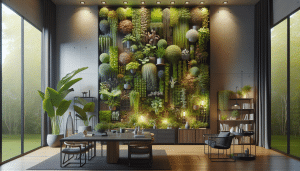
- An urban family with limited outdoor space transformed part of their balcony into a “micro outdoor room”—fold-out table, shade sail, vertical gardening on walls, cushioned modular seating. They installed a small sandbox for the child and used non-toxic rubber tiles under the play area for safety.
These cases emphasize how even modest outdoor areas can become family-friendly with smart planning.
Challenges and Trade-Offs
No design is perfect; expect to balance:
- Maintenance vs initial cost: Durable materials, smart tech, quality shade structures cost more upfront but save time and money later.
- Space constraints: Not everyone has a large yard—sometimes space must be used cleverly. Vertical gardening, foldable furniture, multi-use zones help.
- Safety vs openness: Fences, barriers, soft surfaces increase safety but can make spaces feel enclosed; thoughtful layout and plant screening can balance this.
- Climate variability: What works in one climate (rainy, hot, dry) may be less effective elsewhere; shade, durable materials, and shelter must match local conditions.
Trends to Watch Into Late 2025 and Beyond
These are emerging ideas to keep on your radar, so your design stays somewhat future-proof:
- Biophilic design and emotional wellness: Spaces designed to reduce stress, include natural light, sensory experiences, mental health in mind. The connection to nature is more than decorative.
- Climate resilience: Materials that resist heat, UV damage; surfaces that don’t get dangerously hot; drought-tolerant plants; water management (rain gardens, permeable surfaces) to avoid flooding.
- Smart safety features: Sensors for wet surfaces to light up, automatic covers or barriers for pools, lighting that responds to movement, etc. As families demand more safety, these features will become more mainstream.
Summary
Organizing family-friendly outdoor spaces in 2025 means paying attention to safety, comfort, and flexibility, while leaning into trends like indoor-outdoor flow, sustainable materials, smart tech, and sensory/natural play. By zoning smartly, choosing durable surfaces, creating shade, integrating nature, and planning for growth, you can make outdoor areas that serve the whole family and stay beautiful over time.
References
- American Society of Landscape Architects (2021) Outdoor Living Trends Survey: Designing Family-Friendly Spaces. Available at: https://www.asla.org(Accessed: 18 September 2025).
- Better Homes & Gardens (2023) Backyard Ideas for Families: Safe, Stylish, and Fun Outdoor Living. Available at: https://www.bhg.com (Accessed: 18 September 2025).
- The Spruce (2022) How to Design a Kid-Friendly Backyard That Everyone Will Enjoy. Available at: https://www.thespruce.com (Accessed: 18 September 2025).

 Key Trends in Business Automation and AI Integration