Nutrition Tips That Support Brain Health
Emily Ward September 26, 2025
Your brain powers every thought, memory, and decision. New research shows that the food you eat directly affects how sharp, calm, and resilient your mind is. Here are nutrition tips that support brain health, backed by science and ready to apply.
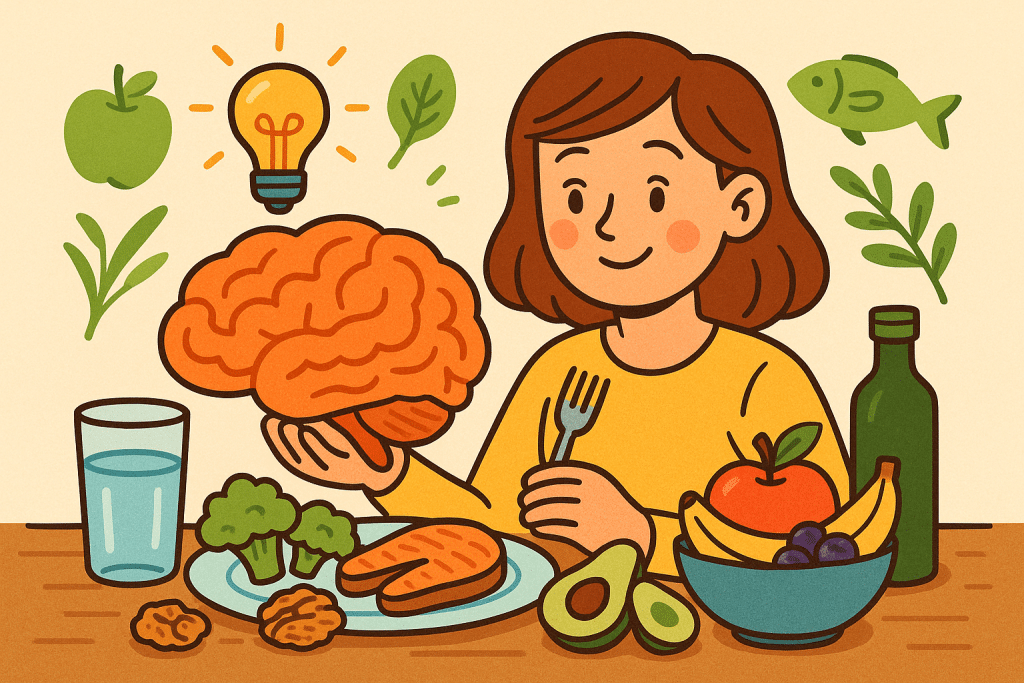
Why Nutrition Matters for Brain Health
The brain uses about 20% of your body’s energy. Poor nutrition can lead to memory lapses, slower focus, and even a higher risk of cognitive decline. On the other hand, the right nutrients can improve alertness, protect neurons, and even support long-term brain resilience (Gómez-Pinilla 2008).
In the last two years, researchers have focused on specific foods that may slow brain aging and improve performance. The trend? A shift toward nutritional psychiatry, where diet is considered a frontline tool for protecting mental and cognitive health.
Key Nutrition Tips That Support Brain Health
1. Prioritize Omega-3 Fatty Acids
- Found in: fatty fish (salmon, sardines, mackerel), chia seeds, flaxseeds, walnuts.
- Why it matters: DHA, a type of omega-3, makes up a large part of brain cell membranes. Adequate intake improves memory and learning capacity (Dyall 2015).
- Practical tip: Aim for 2–3 servings of oily fish weekly or consider algae-based supplements if plant-based.
2. Eat More Polyphenol-Rich Foods
- Found in: blueberries, blackberries, cocoa, green tea, olive oil.
- Why it matters: Polyphenols reduce oxidative stress and support neuron communication. Studies link higher intake with slower cognitive decline (Valls-Pedret et al. 2015).
- Practical tip: Replace one snack a day with a small bowl of berries or a square of dark chocolate (85%+ cocoa).
3. Support Gut–Brain Connection With Fiber and Fermented Foods
- Found in: whole grains, beans, kimchi, kefir, sauerkraut.
- Why it matters: The gut microbiome produces neurotransmitters like serotonin. A diet rich in fiber and probiotics is linked to reduced anxiety and better cognitive flexibility (Cryan et al. 2019).
- Practical tip: Add a fermented food daily and aim for 25–30g of fiber.
4. Choose Brain-Protective Vitamins and Minerals
- B Vitamins: Essential for neurotransmitter function. Deficiency in B12 and folate is linked to brain fog and memory issues.
- Vitamin D: Low levels correlate with increased dementia risk (Littlejohns et al. 2014).
- Magnesium: Supports calm focus and better sleep.
- Practical tip: Eat leafy greens, eggs, and fortified foods; consider a supplement if blood tests reveal deficiencies.
5. Balance Blood Sugar for Better Focus
Spikes and crashes in blood sugar directly affect mood and concentration. Diets high in refined sugar are linked to impaired memory and depression risk (Olsen and Heaton 2020).
- Practical tip: Replace soda with sparkling water, and combine carbohydrates with protein or healthy fats to stabilize energy release.
6. Hydration Is Key
Even mild dehydration reduces attention and short-term memory. Your brain is 75% water—don’t let it run dry.
- Practical tip: Keep a refillable bottle on your desk and flavor it with lemon or cucumber if plain water feels boring.
7. Try the MIND Diet
The MIND diet combines the Mediterranean and DASH diets, specifically designed for brain health. A 10-year study showed it reduced the risk of Alzheimer’s disease by up to 53% for those who adhered closely (Morris et al. 2015).
Key elements:
- Daily: leafy greens, whole grains, nuts.
- Weekly: fish, poultry, beans.
- Limited: red meat, sweets, fried food.
Emerging Trends in Nutrition and Brain Health
Personalized Nutrition
Genetic testing and gut microbiome analysis are being used to personalize diets for brain performance. Some people respond better to more omega-3, while others may benefit from higher antioxidants.
Nootropics and Functional Foods
Supplements like lion’s mane mushroom, L-theanine, and curcumin are gaining popularity. While evidence is early, some studies suggest they may enhance memory and reduce inflammation.
Tech Meets Nutrition
Wearables and apps now track how diet affects mental clarity. For example, continuous glucose monitors (CGMs) are helping people identify which meals keep them sharpest.
Practical Daily Plan for Brain-Supportive Eating
Breakfast: Overnight oats made with rolled oats, chia seeds, and almond milk. Top with fresh blueberries and walnuts for a balance of antioxidants, healthy fats, and slow-digesting carbs that help keep your energy stable through the morning.
Mid-Morning Snack: A kefir smoothie blended with spinach and banana. Kefir feeds your gut with probiotics, spinach adds magnesium for nerve function, and banana gives a natural boost of potassium and quick fuel.
Lunch: Quinoa salad topped with grilled salmon, olive oil, and a generous handful of leafy greens. This meal packs protein, omega-3 fatty acids, and B vitamins—nutrients that support focus and memory. Add cherry tomatoes and cucumbers for extra hydration and crunch.
Afternoon Snack: A square of 85% dark chocolate paired with green tea. The flavonoids in dark chocolate improve blood flow to the brain, while green tea provides gentle caffeine and calming L-theanine to sharpen attention without the crash.
Dinner: A hearty lentil and vegetable curry served over brown rice. Lentils deliver plant-based protein and iron, while colorful vegetables like carrots, bell peppers, and spinach add fiber and a rainbow of antioxidants. Spices like turmeric and cumin also bring anti-inflammatory benefits.
Hydration Tip: Sip water throughout the day. Brain fog often comes from dehydration before you even feel thirsty.
This plan doesn’t just tick off “healthy boxes.” It gives your brain the nutrients it needs to stay alert, protect against cognitive decline, and recover from daily stress. With omega-3s, antioxidants, fiber, B vitamins, and steady hydration woven into every meal, you’re not just eating—you’re actively investing in your mental clarity and long-term brain health.
Conclusion
Nutrition tips that support brain health are no longer fringe advice—they are becoming mainstream science. From omega-3 fats to gut-friendly fiber, your daily diet has the power to sharpen focus today and protect memory for decades. Making small, consistent food choices is one of the most effective ways to future-proof your brai
References
- Harvard Health Publishing. (2021) Nutrients and foods that boost brain health. Harvard Medical School. Available at: https://www.health.harvard.edu (Accessed: 26 September 2025).
- Gómez-Pinilla, F. (2008) ‘Brain foods: the effects of nutrients on brain function’, Nature Reviews Neuroscience, 9(7), pp. 568–578. Available at: https://doi.org/ (Accessed: 26 September 2025).
- National Institute on Aging. (2020) Cognitive health and older adults. U.S. Department of Health & Human Services. Available at: https://www.nia.nih.gov (Accessed: 26 September 2025).

 Travel Experiences That Encourage Cultural Awareness