Nutrition Tips That Support Active Lifestyles
Emily Ward September 24, 2025
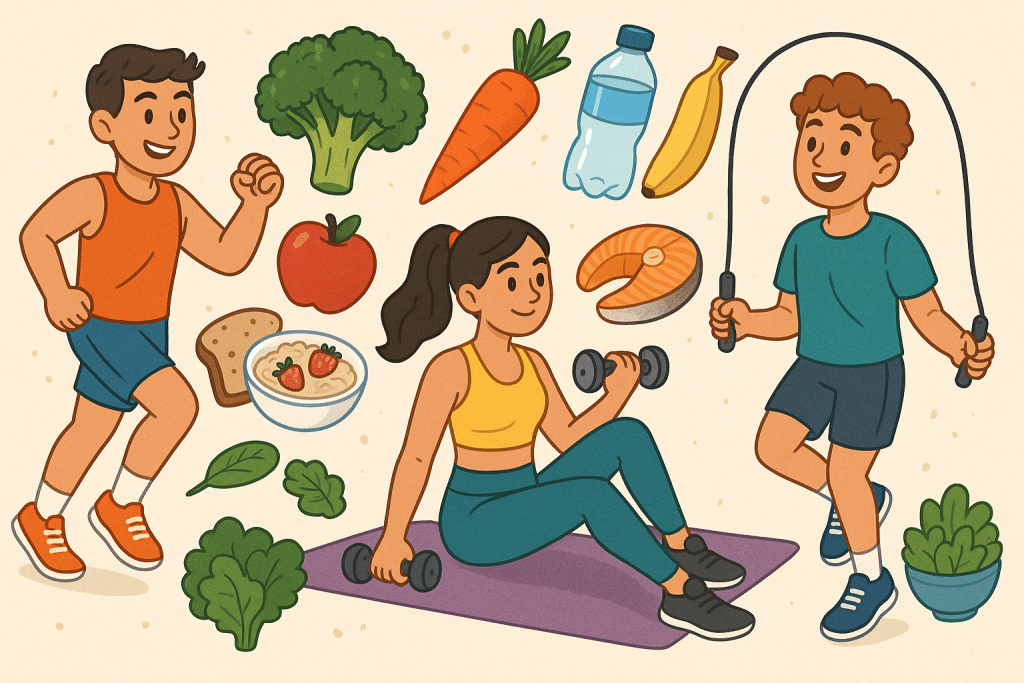
Staying active is only half the story—what fuels you matters just as much. These nutrition tips that support active lifestyles are designed to keep your energy steady, improve recovery, and maximize performance every day.
Why Nutrition Matters as Much as Training
No matter how often you train, poor nutrition can hold you back. Active bodies demand more nutrients to repair muscle, support endurance, and prevent fatigue. Current research shows that nutrient timing, hydration, and protein intake are critical factors influencing both performance and recovery (Thomas et al. 2016).
For athletes and fitness enthusiasts alike, this means food is not just fuel—it’s a tool for performance.
Tip 1: Prioritize Protein for Strength and Recovery
Protein is a cornerstone for anyone with an active lifestyle. It repairs muscle tissue and helps build lean strength. According to the International Society of Sports Nutrition, consuming 1.4–2.0 grams of protein per kilogram of body weight daily is optimal for physically active individuals (Jäger et al. 2017).
Practical options include:
- Greek yogurt with fruit post-workout
- A lean chicken wrap with whole grains
- Plant-based protein shakes with pea or soy protein
Spacing protein intake evenly across meals helps maximize absorption and recovery.
Tip 2: Balance Carbohydrates for Sustainable Energy
Carbs are often misunderstood, but they are the primary energy source for movement. Endurance athletes especially benefit from carbohydrate-rich diets because glycogen depletion leads directly to fatigue.
The Academy of Nutrition and Dietetics recommends 5–7 grams of carbohydrates per kilogram of body weight for moderate training, and up to 12 grams per kilogram for elite endurance training (Thomas et al. 2016).
Good sources include:
- Quinoa, brown rice, and oats
- Sweet potatoes and bananas
- Legumes and whole grain breads
Carbs should be adjusted to training load—more on high-intensity days, less on rest days.
Tip 3: Stay Ahead with Hydration and Electrolytes
Dehydration reduces performance, increases perceived exertion, and delays recovery. Research indicates that even a 2% loss in body water can significantly impair exercise capacity (Sawka et al. 2007).
For active individuals:
- Drink water consistently throughout the day, not just during workouts.
- For sessions longer than 60 minutes, use electrolyte drinks with sodium, potassium, and magnesium.
- Coconut water is a natural option for lighter activities.
Hydration is not just about water—it’s about maintaining fluid balance with electrolytes.
Tip 4: Embrace Functional Foods for Active Recovery
Functional foods provide more than calories—they actively support recovery and reduce inflammation. Popular options backed by research include:
- Tart cherry juice: Helps reduce muscle soreness and improve recovery after endurance events (Kuehl et al. 2010).
- Omega-3 fatty acids (salmon, flaxseeds): Aid in reducing exercise-induced inflammation (Philpott et al. 2018).
- Dark leafy greens: Rich in antioxidants like vitamin C and polyphenols.
Adding these into your weekly routine can make recovery faster and more effective.
Tip 5: Time Your Meals for Peak Performance
Meal timing matters. Eating a balanced meal with carbohydrates and protein 2–3 hours before exercise can boost performance, while post-workout nutrition accelerates recovery.
Guidelines suggest:
- Pre-workout: Whole grains + lean protein + vegetables (e.g., brown rice with salmon and broccoli).
- Post-workout (within 45 minutes): A fast-digesting protein and carb combo (e.g., whey shake with banana).
This ensures glycogen is replenished and muscle synthesis is supported.
Tip 6: Don’t Forget Micronutrients
Vitamins and minerals play a quiet but critical role in energy metabolism and recovery. Deficiencies can lead to fatigue, cramps, or weakened immunity. Active people should especially monitor:
- Iron: Vital for oxygen transport; found in red meat, beans, and spinach.
- Magnesium: Supports muscle function and reduces cramps; found in nuts and leafy greens.
- Vitamin D: Essential for bone health; best from sunlight and fortified foods.
If diet falls short, supplementation may be helpful under professional guidance.
Tip 7: Adopt a Plant-Forward Approach
Plant-based diets are becoming a trend among athletes, and evidence suggests they can meet the nutritional demands of active lifestyles when well-planned (Lynch et al. 2018).
Key points include:
- Combining plant proteins (beans + rice) for complete amino acid profiles.
- Using fortified foods for vitamin B12 and iron.
- Incorporating diverse fruits and vegetables for antioxidants.
Well-balanced plant-forward eating may also reduce inflammation and improve endurance capacity.
Tip 8: Mind the Gut—Probiotics and Prebiotics
Gut health directly impacts energy, digestion, and even immunity. Probiotics (yogurt, kefir, fermented foods) and prebiotics (fiber-rich foods like oats, bananas, and onions) support a diverse gut microbiome.
A healthy gut has been linked to better nutrient absorption and reduced risk of inflammation-related fatigue (Mach and Fuster-Botella 2017).
Tip 9: Supplements—Support, Not Substitute
Supplements should fill gaps, not replace whole foods. Some evidence-based choices for active individuals include:
- Creatine: Improves high-intensity performance and muscle strength.
- Beta-alanine: Buffers lactic acid, helping sustain effort.
- Caffeine: Boosts alertness and endurance, when timed appropriately.
Always consult a professional before starting supplementation, especially if you have medical conditions.
Tip 10: Personalization Is Key
Not every active person needs the same nutrition plan. Age, gender, activity type, and goals all play a role. For example, a marathon runner will have different carbohydrate needs compared to someone doing strength training three times a week.
Working with a registered dietitian or sports nutritionist ensures that your plan matches your lifestyle and goals.
Conclusion
Adopting nutrition tips that support active lifestyles means more than just eating well—it’s about fueling performance, supporting recovery, and preventing injury. From prioritizing protein and hydration to leveraging functional foods and gut health, small daily habits can add up to major results.
Think of it this way: every workout is only as good as the fuel that powers it and the recovery that follows. Skipping proper nutrition may not show up immediately, but over time it can lead to fatigue, slower progress, and even avoidable injuries. On the other hand, consistently choosing the right foods and timing your meals well creates a foundation where your body performs at its best, both during exercise and in everyday life.
The key isn’t chasing perfection but building sustainable habits. A balanced plate, a refillable water bottle, and a mindset that treats food as a tool for strength can make all the difference. Whether you’re training for a marathon, hitting the gym after work, or just trying to stay active with a busy schedule, nutrition works quietly in the background to help you show up stronger, recover faster, and keep going longer.
References
- Harvard T.H. Chan School of Public Health. (2023) The Nutrition Source: Healthy Eating Plate. Available at: https://www.hsph.harvard.edu (Accessed: 24 September 2025).
- U.S. Department of Agriculture. (2020) Dietary Guidelines for Americans 2020–2025. Available at: https://www.dietaryguidelines.gov (Accessed: 24 September 2025).
- Mayo Clinic Staff. (2022) Nutrition and healthy eating: Nutrition basics. Mayo Clinic. Available at: https://www.mayoclinic.org/ (Accessed: 24 September 2025).

 Travel Experiences That Inspire Curiosity and Learning