Nutrition Practices That Support Energy and Vitality
Emily Ward September 24, 2025
Nutrition practices that support energy and vitality are evolving fast. Today, the spotlight is on personalized nutrition and metabolic flexibility, two emerging trends that promise to optimize energy, reduce fatigue, and improve overall performance.
Why Energy and Vitality Depend on Nutrition
Energy is not just about caffeine jolts or sugar spikes—it’s about how efficiently your body converts food into lasting fuel. Macronutrients like proteins, fats, and complex carbohydrates are vital, but micronutrients such as B vitamins, magnesium, and iron play equally crucial roles in maintaining vitality (Harvard T.H. Chan School of Public Health 2023).
Without proper balance, fatigue, poor focus, and even weakened immunity are inevitable. That’s why emerging nutrition practices are focusing less on restrictive diets and more on sustainable, energy-supportive choices.
Trend 1: Timing Meals With Your Body Clock
Recent studies highlight that when you eat may be as important as what you eat. A growing body of research on “chrono-nutrition” suggests that aligning meals with your circadian rhythm supports stable energy throughout the day.
- Eating larger meals earlier may improve energy metabolism.
- Consuming heavy dinners late at night has been linked to sluggish mornings and disrupted sleep.
One 2022 review in Nutrients found that individuals practicing early time-restricted feeding reported improved energy, better metabolic health, and sharper focus (Lowe et al. 2022).
Trend 2: Plant-Based Proteins for Sustained Energy
Animal proteins remain popular, but plant-based diets are making headlines not just for ethics and environment but also for their role in sustained vitality.
Legumes, nuts, and seeds release energy more steadily compared to processed meats or refined protein sources. They’re also packed with iron and magnesium, both critical for cellular energy production.
For example:
- Lentils and chickpeas stabilize blood sugar.
- Chia seeds and almonds provide slow-burning fuel from healthy fats.
A report from the American Journal of Clinical Nutrition showed plant-forward eaters experienced fewer mid-afternoon energy crashes than those relying heavily on processed animal proteins (Satija et al. 2019).
Trend 3: Functional Hydration Beyond Water
While hydration is an old topic, functional hydration—adding minerals, electrolytes, or adaptogens—is trending in 2024.
- Electrolyte-enhanced waters help athletes and desk workers alike avoid dehydration-related fatigue.
- Adaptogenic herbs like ashwagandha or ginseng infused into drinks are marketed as natural vitality boosters.
According to a 2021 review in Frontiers in Nutrition, maintaining electrolyte balance improves energy metabolism and prevents the common fatigue mistaken for dehydration (Popkin et al. 2021).
Trend 4: Micronutrient Optimization With Smart Supplementation
Even balanced diets sometimes fail to provide all essential micronutrients due to soil depletion and processed food consumption. That’s why targeted supplementation is gaining momentum.
Common nutrients linked with vitality include:
- Vitamin B12 – essential for red blood cell production.
- Iron – prevents fatigue caused by anemia.
- Magnesium – aids in muscle and nerve function.
Doctors now recommend personalized supplementation guided by blood tests rather than generic multivitamins. This “precision nutrition” trend ensures individuals optimize their energy-supporting nutrients without overdosing.
Trend 5: Fermented Foods for Gut-Energy Connection
Your gut microbiome is a silent influencer of vitality. Fermented foods such as kefir, kimchi, sauerkraut, and miso are experiencing a surge in popularity because of their role in energy regulation.
A balanced microbiome improves digestion, reducing the “post-lunch crash” many experience. Research from the International Journal of Molecular Sciences (2020) shows that probiotics enhance nutrient absorption and mitochondrial function—key processes for stable energy (Suez et al. 2020).
Practical Daily Tips for Energy and Vitality
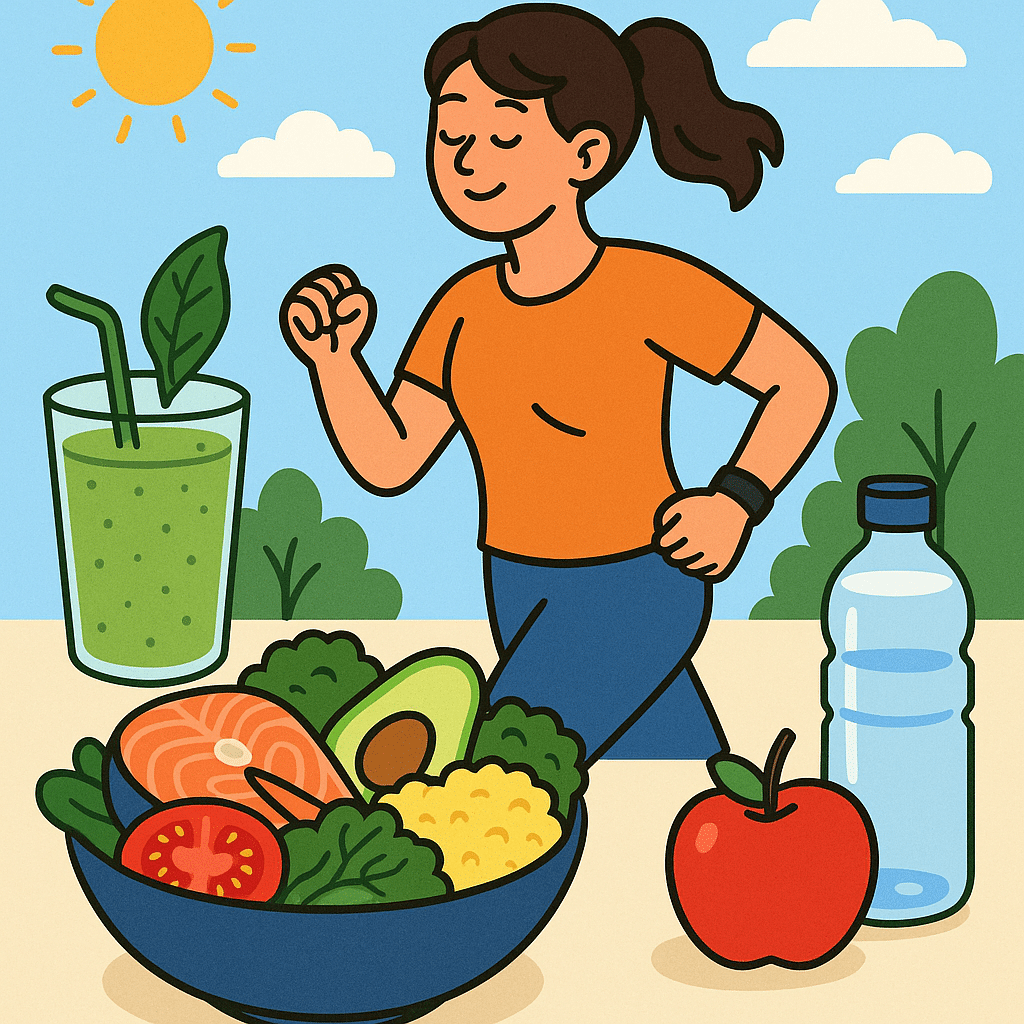
Adopting nutrition practices that support energy and vitality doesn’t need to be overwhelming. Think of it as making small, smart swaps each day that build up over time. Here’s how you can start:
Front-load your calories
Eating bigger meals earlier in the day helps your body tap into that energy when you’re most active. A hearty breakfast with whole grains, fruit, and protein can keep you sharp through the morning, while a lighter dinner gives your digestive system a break at night.
Include a protein source at every meal
Protein stabilizes blood sugar and keeps you satisfied longer. Mix it up: add eggs or Greek yogurt at breakfast, beans or chicken at lunch, and lentils or fish at dinner. Combining plant-based and lean animal proteins helps you cover different nutrient needs.
Stay hydrated intelligently
Water is great, but if you’re sweating a lot or feeling drained, plain water sometimes isn’t enough. Add lemon for vitamin C, a pinch of salt for electrolytes, or use hydration tablets when exercising in the heat. Dehydration is one of the sneakiest causes of fatigue.
Choose complex carbs
Simple carbs (like white bread or pastries) spike your energy then leave you dragging. Complex carbs like oats, quinoa, and sweet potatoes release energy slowly, fueling you for hours without the crash. Think of them as your body’s steady power supply.
Prioritize iron and magnesium-rich foods
These minerals are like tiny batteries for your body. Iron helps deliver oxygen to your cells, while magnesium plays a key role in energy production and muscle function. Spinach, pumpkin seeds, beans, and dark chocolate are easy ways to sneak them into your meals.
Eat fermented foods daily
Your gut health and energy are more connected than you think. Yogurt, kefir, sauerkraut, or kimchi provide probiotics that improve digestion, help your body absorb nutrients, and may even boost mood. A few spoonfuls a day is enough to make a difference.
Avoid sugar crashes
That mid-afternoon donut feels like a treat until the crash hits. Instead, pair fruit with a protein or fat, like apple slices with peanut butter or dates with almonds. You’ll get natural sweetness with slower, steadier energy release.
Small shifts like these don’t just help with day-to-day vitality—they build habits that support long-term health, too.
Looking Ahead: Energy as a Lifestyle, Not a Fix
Energy and vitality are no longer seen as quick fixes but as outcomes of long-term lifestyle nutrition strategies. Chrono-nutrition, functional hydration, and microbiome-friendly foods are only the beginning. As personalized nutrition technologies expand, individuals will increasingly receive tailor-made plans to keep fatigue at bay and vitality consistent.
References
- Harvard T.H. Chan School of Public Health. (2021) The Nutrition Source: Healthy Eating Plate & Healthy Eating Pyramid. Available at: https://www.hsph.harvard.edu/ (Accessed: 24 September 2025).
- U.S. Department of Agriculture (USDA). (2020) Dietary Guidelines for Americans 2020–2025. Available at: https://www.dietaryguidelines.gov (Accessed: 24 September 2025).
- World Health Organization (WHO). (2023) Healthy diet: Key facts. Available at: https://www.who.int/news-room/fact-sheets (Accessed: 24 September 2025).

 Travel Experiences That Combine Culture and Adventure