Wellness Routines That Encourage Mindfulness
Emily Ward September 25, 2025
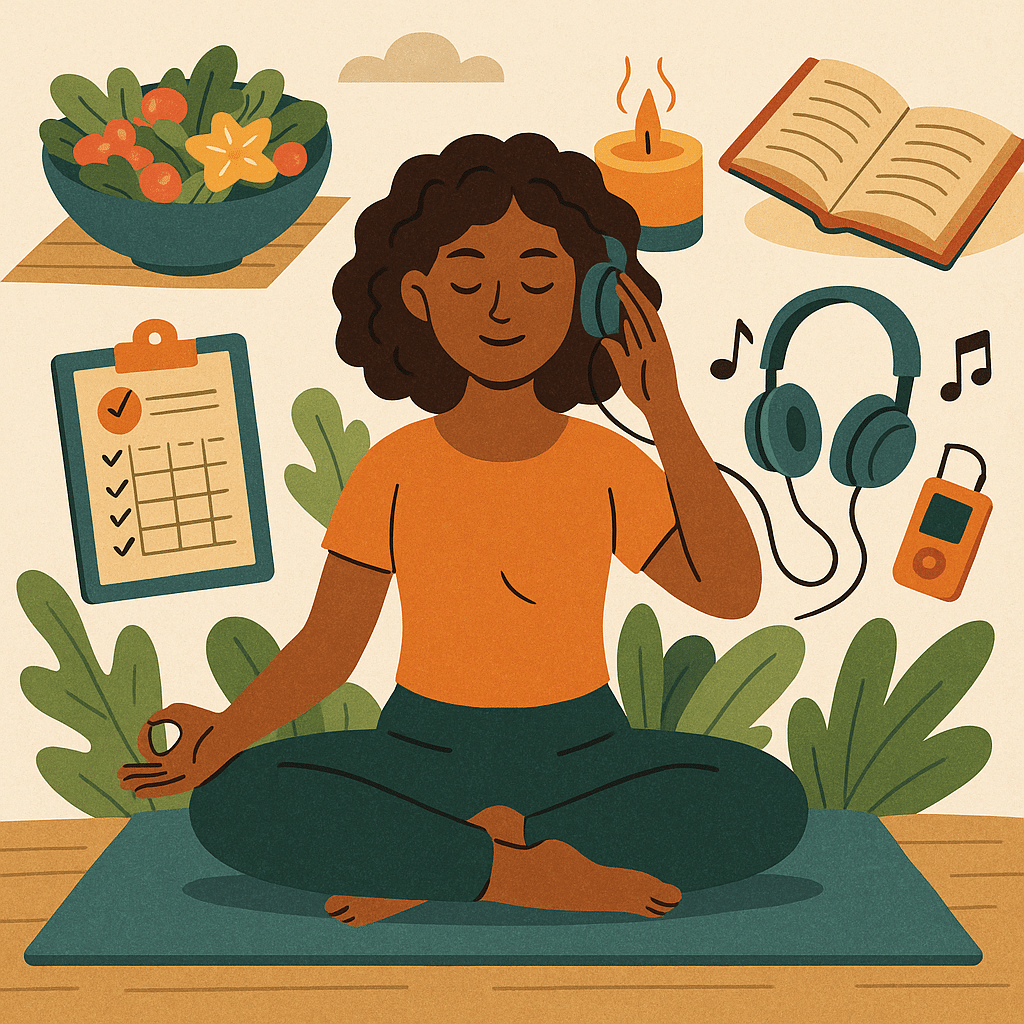
Wellness routines that encourage mindfulness are moving beyond meditation cushions. A growing trend is mindfulness scalp rituals—combining scalp care with stress relief practices. This approach supports both mental clarity and healthier hair growth, creating a functional daily habit.
Why Scalp Care Is Becoming a Mindfulness Practice
Scalp health has historically been overlooked in self-care, but dermatologists and wellness experts are linking it to both physical and mental well-being. Stress is a leading cause of scalp inflammation, which can accelerate hair loss and discomfort (Varothai & Bergfeld 2014). When mindfulness techniques—such as deep breathing or meditative massage—are incorporated into scalp care, the ritual shifts from cosmetic maintenance to holistic wellness.
Unlike traditional beauty routines, these rituals emphasize presence and relaxation. By focusing attention on the physical sensations of scalp massage, individuals can activate parasympathetic responses, lowering cortisol and easing anxiety (Goyal et al. 2014).
Key Components of Mindfulness Scalp Rituals
Mindful Scalp Massage
Use fingertips or gua sha combs to release tension and boost circulation. Slow, circular motions paired with steady breathing help turn a simple massage into a grounding ritual.
Aromatherapy Oils
Lavender relaxes, rosemary stimulates growth, and peppermint refreshes the scalp. When diluted in a carrier oil, these scents calm the nervous system while nourishing follicles.
Breath-Linked Brushing
Brush hair slowly, syncing strokes with inhales and exhales. This turns grooming into a mini meditation that reduces stress and improves focus.
Heat Therapy
Warm towels or compresses relax tight scalp muscles and improve nutrient flow to follicles. Adding a drop of essential oil enhances both the physical and mental benefits.
The Science: Why It Works
Mindfulness scalp rituals aren’t just feel-good routines. They’re backed by research on how stress, circulation, and brain chemistry affect hair health.
Stress and Hair Health
Chronic stress pushes hair follicles into a resting phase, which can trigger shedding (Paus et al. 2014). Mindful scalp massage activates the body’s relaxation response, lowering stress hormones and creating a healthier environment for growth.
Improved Circulation
Massage boosts blood flow to the scalp, delivering more oxygen and nutrients to follicles. A Japanese study found that regular scalp massage increased circulation and could stimulate growth over time (Murata et al. 2016).
Neurochemical Benefits
Touch and scent influence the brain. Aromatherapy combined with gentle pressure promotes serotonin and dopamine release, which improves mood and helps regulate stress signals (Lima et al. 2018). This makes the ritual both calming for the mind and supportive of hair health.
Daily Ritual Guide: 10 Minutes to Mindfulness
This 10-minute scalp mindfulness routine is simple enough to fit into any day, yet grounding enough to shift your mood.
Set Intention (1 min)
Sit comfortably with your back supported. Close your eyes and take three slow breaths, feeling your shoulders drop with each exhale. Quietly remind yourself why you’re here—to nourish both scalp and mind.
Warm Oil Prep (2 min)
Place a few drops of rosemary or lavender oil in your palms. Rub them together until warm, then pause to inhale the scent. This small pause helps you transition from “busy mode” to “care mode.”
Scalp Massage (4 min)
With fingertips, work in small circles from your temples to the crown and down to the base of your skull. Keep the pressure gentle but steady. Sync the rhythm with your breathing: press lightly on the inhale, release on the exhale. Notice sensations—warmth, tingling, or tension easing.
Mindful Brushing (2 min)
Take a brush or wide-tooth comb and move slowly through your hair. Count each stroke in time with your breath. Pay attention to the texture and sound of the brush moving—tiny details that keep your focus anchored.
Closing Breath (1 min)
Rest your hands in your lap and close with three deep breaths. As you breathe out, feel the lingering relaxation across your scalp and shoulders.
Done daily, this practice doubles as hair care and a mini-reset for your nervous system—an easy way to bring a little calm into your routine.t.
Why This Trend Fits Into Modern Wellness
The mindfulness scalp ritual trend blends beauty and mental health in a way that resonates with modern wellness. Today, people want habits that multitask—improving how they look while also boosting focus and easing stress. That’s why scalp rituals are no longer seen as just cosmetic. They’re showing up in meditation apps, spa menus, and wellness retreats as part of a larger shift toward practices that are both functional and restorative.
What makes this appealing is the dual benefit. A mindful scalp massage can improve circulation and hair health while also acting as a grounding practice. For many, it offers a quick reset in the middle of a busy day—something that feels both indulgent and practical.
Just as yoga combines movement and breath, scalp mindfulness combines touch and attention. It requires no special equipment, only a few minutes, and can be adapted to almost any routine. That accessibility is what makes it fit so well into today’s wellness culture, where people want simple, effective rituals that bring balance without demanding extra time.
Conclusion
Wellness routines that encourage mindfulness are evolving, and scalp care is stepping into the spotlight. By blending simple practices like massage, mindful breathing, and nourishing oils, people are turning routine grooming into stress-relief rituals. What feels like a niche habit today is gaining traction in the same way yoga and meditation once did.
Mindfulness scalp rituals are more than a beauty trend. They offer a practical way to relax, care for the body, and create small pauses in busy lives. With growing interest in holistic wellness, these routines are likely to become a recognized part of everyday self-care.
References
- Kabat-Zinn, J. (2019) Mindfulness for beginners: Reclaiming the present moment—and your life. Available at: https://www.mindful.org (Accessed: 25 September 2025).
- American Psychological Association (2021) Mindfulness meditation: A research-proven way to reduce stress. Available at: https://www.apa.org (Accessed: 25 September 2025).
- Harvard Health Publishing (2022) Mindfulness meditation may ease anxiety, mental stress. Harvard Medical School. Available at: https://www.health.harvard.edu (Accessed: 25 September 2025).

 Unlocking Credit Scores Secrets You Might Not Expect