Interior Design Trends That Promote Productivity
Thomas Blake September 18, 2025
Interior design isn’t just about style—it’s about shaping spaces that influence how we feel and work. Today, one of the biggest shifts in design is the focus on interior design trends that promote productivity and comfort. From biophilic design to adaptable work zones, these trends go beyond aesthetics and impact how we think, perform, and relax.
Why Productivity and Comfort Matter in Interior Design
The spaces we inhabit affect our mental focus, stress levels, and even creativity. A poorly designed room can make us distracted and unmotivated, while a well-designed one can boost efficiency and support overall well-being. A 2023 report from the American Society of Interior Designers highlights that productivity-focused spaces are now a top demand in both home and office design (ASID 2023).
1. Biophilic Design: Nature as a Productivity Booster
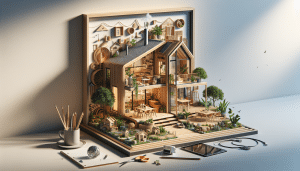
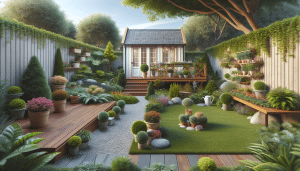
Bringing nature indoors is no longer a trend—it’s a necessity. Biophilic design incorporates natural elements such as:
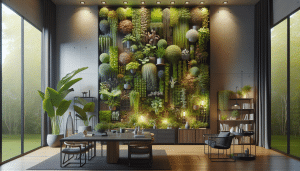
- Indoor plants and green walls
- Natural light optimization
- Wooden and stone textures
Research shows that exposure to natural elements indoors can increase productivity by up to 15% while lowering stress levels (Kellert & Calabrese 2015). With hybrid work still prevalent, homeowners and companies are investing in living greenery walls, skylights, and plant-based partitions.
2. Flexible Work Zones in Homes and Offices
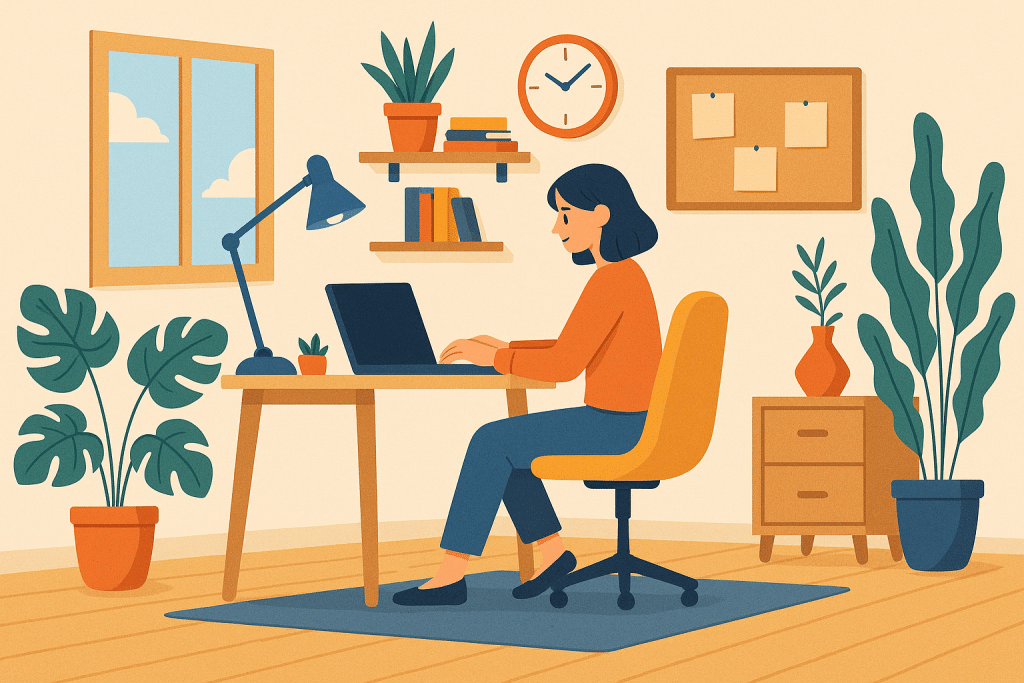
As remote work becomes permanent for many, flexible work zones are a must. Instead of dedicating an entire room, designers now create multi-functional spaces:
- Fold-away desks and modular furniture
- Acoustic partitions for privacy
- Adjustable lighting for video calls
According to Steelcase’s 2024 Global Workplace Report, flexibility in workspaces directly correlates with increased productivity and employee satisfaction (Steelcase 2024).
3. Comfort Through Ergonomics
Comfort isn’t just about softness; it’s about support. Ergonomically designed furniture ensures long-term well-being. Current trends include:
- Adjustable sit-stand desks
- Ergonomic office chairs
- Task lighting tailored for eye comfort
Interior designers are blending ergonomic solutions with aesthetic minimalism, ensuring functionality doesn’t compromise style.
4. The Rise of Acoustic Design
Noise remains one of the biggest distractions in open-plan homes and offices. Modern interior design is tackling this with:
- Sound-absorbing wall panels
- Noise-canceling ceiling baffles
- Textured fabrics that reduce echo
A Harvard Business Review study found that poor acoustics can reduce workplace productivity by as much as 66% (Banbury & Berry 2005). Designers are responding by prioritizing quiet, sound-controlled environments.
5. Smart Lighting Systems for Focus and Relaxation
Lighting has shifted from being purely decorative to being functional and mood-driven. Smart lighting solutions now allow:
- Tunable white lighting that mimics natural daylight
- Dimming systems that adjust for relaxation
- Automated circadian rhythm syncing
The WELL Building Standard identifies lighting as a critical factor in health and productivity, linking poor lighting to fatigue and reduced focus (International WELL Building Institute 2022).
6. Minimalist Yet Warm Aesthetics
Minimalism continues to dominate interior design trends—but the days of cold, sterile, “gallery-like” spaces are fading. Instead, homeowners and designers are embracing warm minimalism, a style that balances clean, uncluttered lines with inviting textures, organic shapes, and tactile comfort.
Unlike stark minimalism of the past, warm minimalism thrives on creating spaces that feel serene yet lived-in. It rejects the harshness of overly sterile interiors and replaces it with a sense of balance and human warmth. Think of it as minimalism with soul.
Key elements include:
- Neutral color palettes with warm undertones – Shades of beige, soft taupe, clay, and creamy whites dominate, creating a soothing backdrop that feels timeless rather than cold. Research in color psychology shows that warm neutrals can foster feelings of comfort and emotional well-being (Jalil, Yunus and Said 2012).
- Natural fabrics and textures – Linen, wool, and cotton add softness and subtle imperfection, while wood, stone, and ceramics connect spaces to the natural world. This aligns with biophilic design principles, which suggest that natural materials help reduce stress and improve mental health (Kellert and Calabrese 2015).
- Curved, human-centric furniture – From rounded sofas to soft-edge tables, curves break the rigidity of straight lines, adding movement and approachability to a room.
- Layered lighting – Instead of bright, overhead lighting alone, warm minimalism embraces lamps, sconces, and candles to build cozy atmospheres.
This design philosophy does more than look beautiful—it enhances lifestyle. By stripping away excess clutter yet keeping warmth at the forefront, warm minimalism fosters calm, focus, and clarity. It is especially appealing for work-from-home spaces, where the balance between productivity and relaxation is essential.
Ultimately, warm minimalism offers a perfect middle ground: the sophistication of simplicity without sacrificing comfort. It’s proof that minimal design doesn’t have to feel empty or lifeless—it can feel like home.
7. Personalized Micro-Zones for Balance
Not every part of a home or office needs to be about productivity. Designers are now carving out micro-zones—small nooks dedicated to relaxation or creativity. Examples include:
- Reading corners with oversized chairs
- Meditation alcoves with dim lighting
- Standing whiteboard areas for brainstorming
This creates a natural balance between focus and relaxation within the same space.
8. Sustainability Meets Functionality
Finally, sustainability is no longer just a buzzword. Clients demand eco-conscious interiors that also support productivity:
- Low-VOC paints for cleaner air
- Recycled materials in furniture design
- Energy-efficient appliances and fixtures
Eco-conscious design not only supports the environment but also boosts cognitive function, as healthier air quality is directly linked to improved concentration (US Environmental Protection Agency 2021).
Conclusion
The most exciting interior design trends that promote productivity and comfort are those that merge functionality with well-being. Whether through biophilic design, acoustic solutions, or ergonomic setups, the emphasis is on creating spaces that support both efficiency and relaxation. As we move deeper into 2025, interiors are becoming less about appearance and more about performance—turning every home and office into a space that works for us
References
- Steelcase (2023) The Impact of Office Design on Employee Productivity. Available at: https://www.steelcase.com/research (Accessed: 18 September 2025).
- American Society of Interior Designers (2022) Design Impacts Lives: How Interior Design Affects Well-Being and Work Performance. Available at: https://www.asid.org/resources (Accessed: 18 September 2025).
- Harvard Business Review (2021) Why You Should Care About Office Design. Available at: https://hbr.org/2021/04(Accessed: 18 September 2025).

 Steps to Build a Personal Wellness Routine That Sticks