Interior Design Solutions That Enhance Comfort
Thomas Blake October 7, 2025
In 2025, homes are more than just places to live—they are sanctuaries where people work, relax, and recharge. With this shift, comfort has become the top priority in modern design. Instead of following purely aesthetic trends, people are searching for interior design solutions that enhance comfort, combining function, style, and well-being.
Comfort is subjective, but it often comes down to how spaces support physical relaxation, emotional balance, and everyday convenience. By blending thoughtful design choices, ergonomic furniture, and smart technologies, homeowners can create living environments that feel warm, inviting, and practical.
Why Comfort in Design Matters
Comfort isn’t only about softness or warmth—it influences health, productivity, and quality of life. Research from the American Institute of Architects (2024) shows that homes designed with comfort in mind improve residents’ mental health, reduce stress, and even encourage better sleep.
Key benefits include:
- Emotional well-being – Cozy spaces reduce anxiety and promote calm.
- Physical health – Ergonomic design prevents strain and supports the body.
- Productivity – Comfortable work-from-home spaces encourage focus.
- Social connection – Inviting interiors foster stronger bonds with family and guests.
Interior Design Solutions That Enhance Comfort
1. Ergonomic Furniture
Comfort starts with furniture that supports the body. Chairs with lumbar support, adjustable desks, and properly cushioned sofas reduce strain while improving relaxation.
2. Layered Lighting
A mix of ambient, task, and accent lighting creates adaptable spaces. Warm-toned LED lights mimic natural sunlight, supporting mood and circadian rhythms.
3. Natural Materials
Wood, stone, bamboo, and cotton bring tactile comfort and connect interiors to nature, making rooms feel grounded and soothing.
4. Textures and Soft Furnishings
Layered rugs, plush throws, and upholstered furniture add warmth while creating cozy, inviting areas. Texture variation enhances both style and comfort.
5. Flexible Layouts
Multi-functional spaces with movable dividers or modular furniture adapt to different needs—work, relaxation, or entertaining—without compromising comfort.
6. Climate Control and Ventilation
Smart thermostats and air purifiers ensure ideal temperature and air quality, essential for creating a truly comfortable environment.
7. Acoustic Design
Sound-absorbing panels, curtains, and carpets reduce noise, helping create quiet zones for rest and concentration.
8. Personalized Color Palettes
Soft neutrals, calming blues, and earthy tones promote relaxation. Personalized palettes make spaces feel emotionally aligned with the residents.
9. Indoor Plants
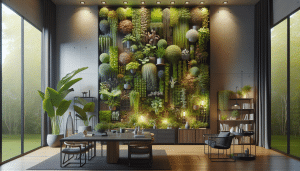
Biophilic design elements not only beautify interiors but also purify air and reduce stress, supporting overall comfort.
10. Technology Integration
Smart home systems that adjust lighting, sound, and temperature at the touch of a button make comfort effortless.
Room-by-Room Comfort Enhancements
Living Room
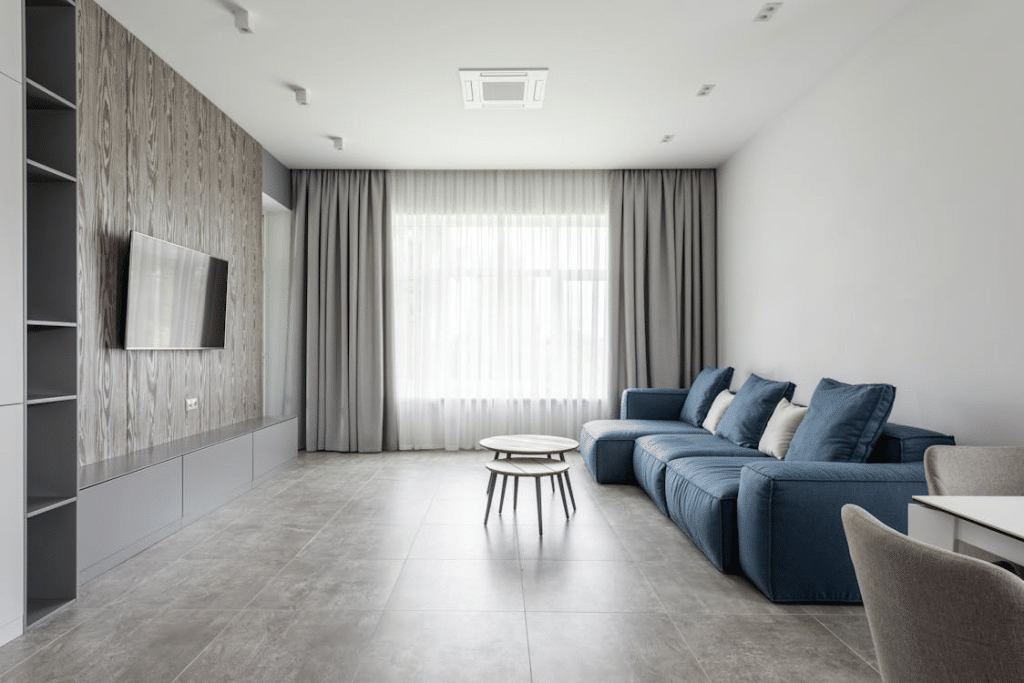
- Use sectional sofas for lounging.
- Layer lighting with floor lamps and dimmable overheads.
- Add cozy textiles like throws and cushions.
Bedroom
- Invest in high-quality mattresses and blackout curtains.
- Use warm, soft lighting for relaxation.
- Incorporate soothing color palettes for restful sleep.
Kitchen
- Design with ergonomic layouts for ease of cooking.
- Add under-cabinet lighting for better visibility.
- Incorporate breakfast nooks for comfort and warmth.
Bathroom
- Install heated floors and towel warmers.
- Use natural stone or wood finishes for a spa-like feel.
- Include dimmable lights for relaxing baths.
Home Office
- Choose ergonomic desks and chairs.
- Use natural lighting where possible.
- Add greenery to reduce stress during work hours.
Emerging Interior Design Trends in 2025
Wellness-Centered Design
Homes are being designed with meditation nooks, spa-like bathrooms, and restorative spaces.
Smart Comfort Tech
Voice-controlled systems for lighting, HVAC, and music make personalized comfort seamless.
Sustainable Comfort
Eco-friendly insulation, energy-efficient appliances, and recycled materials enhance comfort while reducing environmental impact.
Minimalism With Warmth
Clean lines paired with soft textures and natural tones balance modern style with cozy comfort.
Practical Tips for Enhancing Comfort at Home
- Declutter regularly to create calm, open spaces.
- Mix textures to add depth and coziness.
- Invest in a few high-quality, comfort-focused pieces rather than many decorative ones.
- Balance natural and artificial light throughout the day.
- Personalize with meaningful items—art, books, or heirlooms that evoke warmth.
Benefits of Comfort-Focused Design
Adopting interior design solutions that enhance comfort offers:
- Better relaxation and mental balance.
- Higher productivity in functional spaces.
- Stronger connection to home as a sanctuary.
- Sustainable improvements to health and lifestyle.
Conclusion
In 2025, comfort is the heart of good design. By embracing interior design solutions that enhance comfort, homeowners can create living spaces that nurture body, mind, and spirit.
From ergonomic furniture and biophilic elements to smart climate systems and layered lighting, comfort-oriented design proves that interiors can be both beautiful and functional. The result is a home that supports well-being in every aspect of daily life.
References
- American Institute of Architects. (2024). Designing homes for health and comfort. https://www.aia.org
- Better Homes & Gardens. (2024). Interior design tips for cozy living. https://www.bhg.com
- Architectural Digest. (2024). Trends in comfort-focused interiors. https://www.architecturaldigest.com
- Forbes. (2024). Smart home technologies enhancing comfort. https://www.forbes.com
- National Geographic. (2024). Biophilic design and well-being. https://www.nationalgeographic.com

 Fitness Routines That Promote Mental Clarity