Interior Decor Ideas That Enhance Productivity
Thomas Blake September 24, 2025
Interior decor is no longer just about aesthetics—it’s now a proven driver of workplace productivity. With hybrid work on the rise, people are investing in decor strategies that transform their homes and offices into high-functioning, inspiring spaces. In this article, we explore the most effective interior decor ideas that enhance productivity in 2025, backed by science and real design trends.

The Science of Productivity and Interior Design
The connection between environment and focus is well-documented. Research shows that well-designed spaces can boost cognitive performance, creativity, and well-being (Clements-Croome 2021). Employers and remote workers alike are now seeing decor not as luxury but as necessity for peak performance.
Top Interior Decor Ideas That Enhance Productivity
1. Biophilic Design: Bringing Nature Inside
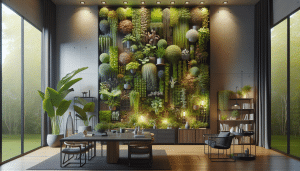
Biophilic design continues to dominate in 2025. Incorporating plants, natural light, and earthy textures reduces stress and sharpens focus. According to a University of Exeter study, offices with plants saw a 15% increase in productivity (Knight and Haslam 2010).
Ways to apply it:
- Add air-purifying plants like snake plants or peace lilies.
- Use wood, stone, or bamboo finishes for natural textures.
- Position desks near windows to maximize natural light.
2. Smart Lighting That Adapts to Your Day
Lighting is critical for maintaining energy. Poor lighting causes fatigue, while smart, circadian lighting boosts alertness and sleep cycles. The American Society of Interior Designers reports that adaptive lighting systems improve concentration by up to 20% (ASID 2022).
Decor tips:
- Install tunable LED lighting that shifts color temperature throughout the day.
- Use desk lamps with adjustable brightness for task-heavy areas.
- Mix natural and artificial light to avoid strain.
3. Ergonomic and Functional Furniture
Decor is not only about looks—it must serve the body. Standing desks, ergonomic chairs, and modular furniture prevent discomfort and improve focus. A Cornell University ergonomics study showed that proper desk setups reduce musculoskeletal disorders and increase productivity (Hedge 2020).
Furniture choices:
- Adjustable standing desks for flexibility.
- Ergonomic chairs with lumbar support.
- Shelving systems that reduce clutter.
4. The Rise of Color Psychology in Decor
Colors affect mood and performance. In 2025, workplaces are embracing color strategically.
- Blue and green: promote calm and concentration.
- Yellow: sparks creativity.
- Red accents: increase energy for short-term tasks.
Painting walls, adding accent pieces, or using colorful textiles can subtly influence mental states throughout the day.
5. Minimalist Layouts to Reduce Distractions
Clutter overwhelms the brain, leading to reduced focus. Minimalist interiors—clear surfaces, hidden storage, and streamlined furniture—have become a key decor strategy. A Princeton University study revealed that visual clutter limits the brain’s ability to process information, lowering productivity (McMains and Kastner 2011).
Practical steps:
- Invest in closed storage units.
- Adopt a “one in, one out” rule for decor and accessories.
- Keep the main workspace free of non-essential items.
6. Acoustic Decor for Focused Work
Noise is one of the biggest workplace distractions. Acoustic panels, rugs, and upholstered furniture now play a major role in decor. Modern solutions include sound-absorbing wall art and decorative partitions that combine aesthetics with function.
Trendy options:
- Felt wall panels in geometric designs.
- Large rugs to reduce echo in home offices.
- Curtains with acoustic fabrics.
7. Personalized Decor That Inspires
Productivity is not just about efficiency—it’s about motivation. Personalized elements such as artwork, motivational prints, or even carefully chosen desk accessories help create a sense of ownership and purpose in a space.
Ideas:
- A gallery wall of art that sparks creativity.
- Desk accessories in materials and colors you enjoy.
- Personal achievements framed as visual motivators.
8. Hybrid Work Decor: Spaces That Flex
As hybrid work becomes standard, interiors must shift between office and home modes. Furniture on wheels, foldable partitions, and convertible desks make spaces adaptable. This flexibility keeps homes functional without sacrificing productivity.
2025 Trends Shaping the Future of Productive Decor
Smart Home Integration
From AI-powered blinds that adjust to sunlight to IoT-connected desks that monitor posture, technology-driven decor is merging with wellness design.
Sustainable Materials
Eco-friendly design is not only ethical but also linked to mental well-being. Natural, toxin-free materials contribute to healthier air quality and comfort.
Multi-Zone Workspaces
Designers are moving away from the “single desk” model. Homes now feature mini-zones—focus areas, relaxation nooks, and collaborative corners—to match energy levels throughout the day
Practical Guide: How to Apply Interior Decor for Productivity
Assess your needs
Before you move a single chair, ask yourself what you want from the space. Do you need a room that sparks creativity for brainstorming? A calm corner for deep focus? Or a relaxed vibe that keeps stress levels low? For instance, a graphic designer might thrive with vibrant art on the walls, while a programmer may prefer a minimalist setup with fewer visual distractions.
Start with lighting and ergonomics
Lighting directly affects your energy and mood. Natural light boosts alertness, while warm artificial light creates comfort for evening work. Pair this with ergonomic furniture: a chair that supports your back, a desk at the right height, and a screen positioned at eye level. These adjustments reduce fatigue and let you focus longer without physical discomfort.
Incorporate biophilic elements
Nature has a quiet way of helping us reset. A desk plant, a vase of fresh flowers, or even a nature-inspired wallpaper can lower stress and improve air quality. Studies show that green elements increase productivity by making people feel calmer and more grounded.
Use color intentionally
Different colors evoke different states of mind. Blue encourages focus, green is restful, yellow sparks creativity, and neutrals keep distractions low. Think of your work goals: an accountant may benefit from blue tones, while a writer might find a splash of yellow on the walls inspiring.
Reduce clutter systematically
A messy desk doesn’t just look bad. It clutters your brain too. Adopt simple storage solutions like drawer organizers, floating shelves, or hidden bins to keep surfaces clear. Make it a habit to reset your workspace at the end of the day so you start fresh each morning.
Invest in acoustics
Noise can be one of the biggest productivity killers. If your environment is loud, consider soundproof panels, rugs, curtains, or even noise-cancelling headphones. Soft surfaces absorb sound, while hard ones reflect it, so choose decor materials with this in mind.
Add personal touches
Productivity doesn’t thrive in sterile spaces. Frame photos that make you smile, add art that reflects your personality, or display small objects tied to your passions. When your workspace feels authentically yours, you’ll find it easier to settle in and do your best work.
Conclusion
Decor has evolved into a productivity tool as essential as laptops or software. By implementing interior decor ideas that enhance productivity, you can transform both home and office spaces into hubs of focus, creativity, and well-being. From biophilic design to smart lighting and acoustic decor, 2025 proves that style and function can coexist seamlessly.
References
- Dul, J. and Ceylan, C. (2011) ‘Work environments for employee creativity’, Ergonomics, 54(1), pp. 12–20. Available at: https://doi.org/ (Accessed: 24 September 2025).
- Steelcase (2016) The Future of Work: Why Office Design Matters. Available at: https://www.steelcase.com/(Accessed: 24 September 2025).
- Harvard Business Review (2019) Research: How Interior Design Choices Impact Productivity. Available at: https://hbr.org/2019/04 (Accessed: 24 September 2025).

 Steps to Launch a Profitable Side Business