Interior Decor Ideas That Enhance Productivity
Thomas Blake October 10, 2025
The way we shape and design our spaces has a profound effect on how we think, feel, and perform. In 2025, as hybrid work and flexible schedules become the new standard, more people are realizing that productivity is not just about discipline or tools—it’s about environment. A well-designed room can encourage focus, reduce distractions, and help people work with more clarity and energy. That is why interior decor ideas that enhance productivity have become a central conversation in both home and office design.
Creating spaces that foster productivity requires more than aesthetic taste. It involves understanding how light, color, sound, ergonomics, and even personal touches interact with our brains. Below are the most effective strategies, backed by research and emerging design trends, that can help transform any space into a productivity-friendly environment.
Why Your Environment Shapes Your Productivity
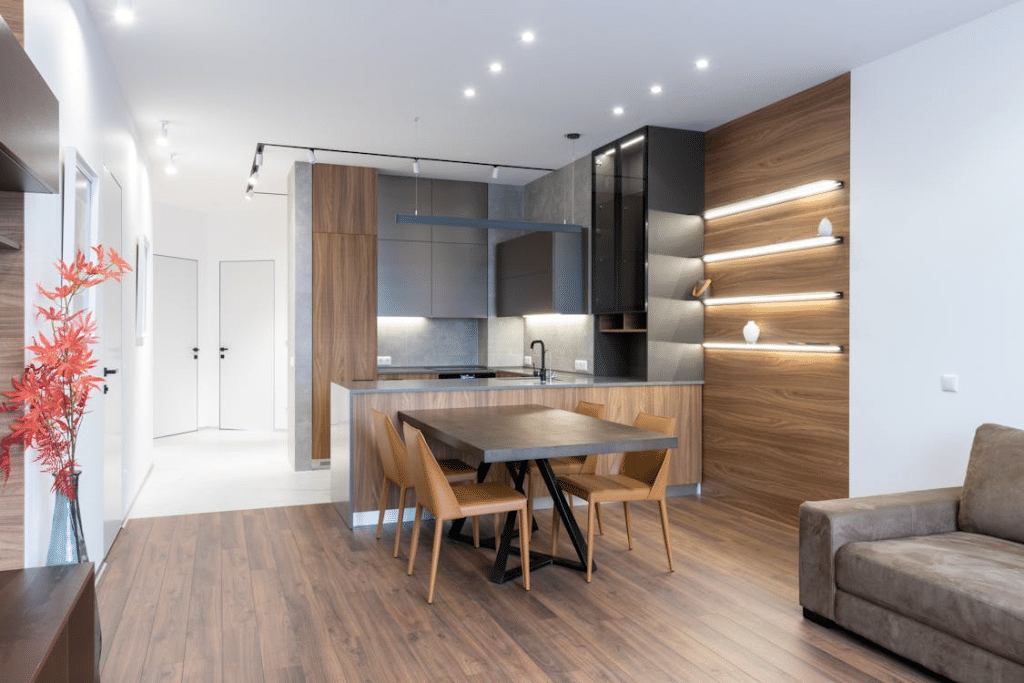
Environment is often underestimated when it comes to performance. A study by the University of Exeter revealed that employees working in well-decorated, personalized environments were 32% more productive than those in bare, uninspiring spaces. The Journal of Environmental Psychology also shows how elements like lighting, acoustics, and design significantly impact focus and mental clarity.
These findings highlight a simple truth: when you intentionally design your surroundings, you create an atmosphere where efficiency and creativity come more naturally.
Maximize Natural Light
Natural light is consistently ranked as the most important factor in boosting productivity. Exposure to daylight improves mood, regulates sleep cycles, and reduces eye strain—essential for anyone working long hours.
Practical ways to use natural light:
- Arrange desks or workstations near windows.
- Choose sheer curtains to allow brightness without harsh glare.
- Use mirrors or light-colored walls to reflect and amplify natural light.
For spaces without sufficient windows, full-spectrum LED lamps that mimic daylight are excellent alternatives. They help maintain alertness and reduce fatigue, especially during winter months or in evening work sessions.
Harness the Psychology of Color
Color impacts how people think and feel. Interior designers often turn to color psychology to influence focus and creativity:
- Blue shades enhance calmness, mental clarity, and focus.
- Green reduces stress and encourages balance, making it ideal for home offices.
- Yellow stimulates creativity and optimism, perfect for brainstorming zones.
- Neutral tones like beige, gray, or soft white provide balance and reduce distraction.
The best approach is moderation. Instead of painting an entire room in bright colors, incorporate accents through furniture, rugs, or artwork. This allows stimulation without overwhelming the senses.
Declutter and Simplify
Clutter has a direct negative impact on productivity, often causing stress and mental overload. Simplifying your environment makes it easier to concentrate.
Steps to reduce clutter effectively:
- Use closed storage solutions like cabinets or baskets to hide unnecessary items.
- Apply the “one-touch rule”: put things back in place right after use.
- Embrace minimalism by keeping only items that serve a purpose or bring inspiration.
A simplified space doesn’t mean empty—it means intentional, with every item serving a clear function.
Ergonomic and Flexible Furniture
Furniture is more than decor—it directly affects health and focus. Ergonomic design ensures that long hours of sitting or standing don’t lead to fatigue or pain, which are major productivity killers.
Furniture ideas that improve focus:
- Sit-stand desks encourage movement and reduce the health risks of sedentary work.
- Ergonomic chairs with adjustable lumbar support protect posture.
- Monitor stands or adjustable arms align screens with eye level to reduce strain.
Flexible setups also allow a quick shift between focused solo work and collaborative tasks, making them suitable for both home offices and team spaces.
Add Biophilic Elements
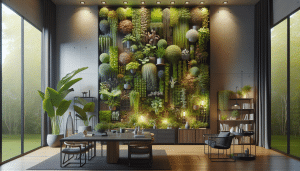
Biophilic design—the practice of integrating natural elements into interiors—is gaining global attention because of its proven effects on mental health. Even a few plants can reduce stress, improve air quality, and help people feel more energized.
Ways to integrate nature indoors:
- Place potted plants around desks or on shelves.
- Use materials like wood, stone, or bamboo to add warmth and authenticity.
- Incorporate water features or nature-inspired artwork to create a calming atmosphere.
NASA research has shown that indoor plants not only purify air but also improve cognitive performance. For productivity, even a modest touch of greenery makes a difference.
Pay Attention to Acoustics
Noise is one of the most disruptive factors for focus. While complete silence isn’t always possible, good acoustic design helps minimize distractions.
Solutions include:
- Rugs, curtains, and upholstered furniture to absorb sound.
- Acoustic panels or dividers for shared workspaces.
- White noise machines or calming sound apps to mask background noise.
By controlling sound, you create a balanced mental environment that allows deeper concentration.
Personalize Your Space
Productivity increases when people feel a sense of ownership over their space. Personalization helps create comfort and motivation, turning work areas into places that inspire.
Ideas for personal touches:
- Hang art, photos, or inspirational quotes that align with your values.
- Create a vision board with goals and milestones.
- Display souvenirs or items with emotional meaning, as long as they don’t create clutter.
The key is intentionality—use items that spark motivation while keeping the overall space functional.
Integrate Smart Technology
Technology can either distract or support productivity. Smart interior tools fall into the latter category when used thoughtfully.
Examples of smart integration:
- Smart lights that shift brightness and color temperature throughout the day.
- Climate control systems that maintain comfortable working conditions.
- Voice assistants for reminders, scheduling, or hands-free tasks.
Automation reduces the cognitive load of managing small details, allowing focus on meaningful work.
Create Defined Work Zones
Hybrid lifestyles blur the line between work and leisure. Creating defined zones helps train the brain to switch into work mode when entering a space.
Ways to establish boundaries:
- Use rugs or furniture arrangement to separate areas.
- Dedicate one desk exclusively for professional work.
- In small apartments, use foldable desks or partitions to clearly define working hours and spaces.
This zoning approach prevents the overlap of rest and work, reducing burnout while supporting productivity.
Lighting Layers for Every Task
Beyond natural light, artificial lighting should be layered for flexibility:
- Task lighting for reading or computer work.
- Ambient lighting for general balance.
- Accent lighting to highlight decor and add atmosphere.
This combination creates adaptable environments for deep work, collaboration, or relaxation.
The Bigger Picture: Designing Productivity
Interior decor is more than aesthetics—it’s a strategic investment in well-being and efficiency. When you combine natural light, ergonomic furniture, biophilic elements, acoustics, and smart tools, you create an ecosystem that naturally supports focus.
A productivity-enhancing environment does not have to be expensive or complex. Even small, intentional changes—like adding plants, adjusting lighting, or reorganizing work areas—can yield significant improvements in concentration and energy.
References
University of Exeter. (2014). The impact of enriched work environments on productivity. https://www.exeter.ac.uk
Journal of Environmental Psychology. (2021). Effects of interior design on focus and cognitive performance. https://www.sciencedirect.com
Harvard Business Review. (2023). Designing spaces for hybrid work. https://hbr.org

 Fitness Practices That Fit Any Schedule