Gardening Ideas That Enhance Outdoor Spaces
Thomas Blake September 22, 2025
“Gardening ideas that enhance outdoor spaces” aren’t just about pretty flowers anymore—they mean efficient designs, resilient plants, and smart systems that respond to climate change, limited space, and a desire for usable, relaxing spaces. These trends are reshaping gardens in 2025 in exciting ways.
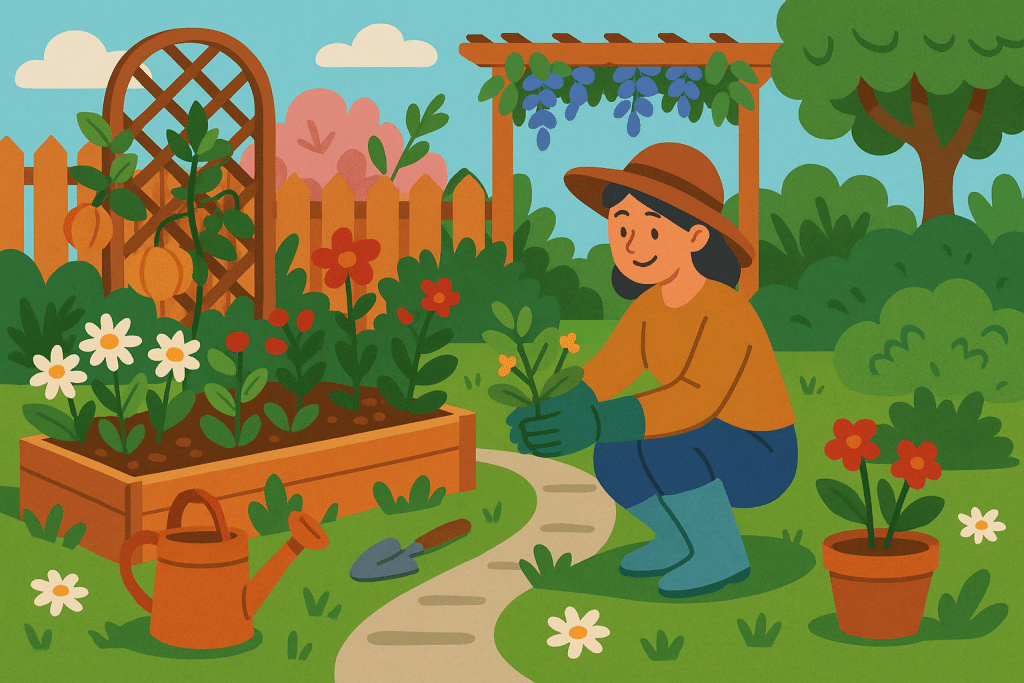
Outdoor gardening is evolving. As climate changes, urban living tightens space, and people seek both beauty and utility, gardeners are embracing new methods and designs. This article lays out some of the biggest emerging gardening ideas that enhance outdoor spaces, showing you what is trending now, why it matters, and how to apply it. Use these for inspiration, planning, or to make your own garden more functional, beautiful, and sustainable.
Why These Trends are Gaining Momentum
- Climate pressure: Droughts, heat waves, and water scarcity are pushing gardeners to choose low-water, resilient plants and landscaping.
- Urban constraints: More people live in apartments or tighter property lots, making space-saving designs (like vertical gardening) necessary.
- Desire for multifunctionality: Outdoor spaces are being used for relaxation, cooking, work, biodiversity, food production—not just ornamentals.
- Sustainability and biodiversity: There’s growing interest in native plants, edible landscapes, wildlife-friendly gardens, fire risk reduction, and low maintenance.
Trends: Gardening Ideas That Enhance Outdoor Spaces in 2025
Here are the leading ideas to consider, and practical tips for applying them.
1. Vertical Gardens and Living Walls
What it is
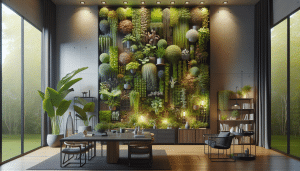
Using walls, fences, trellises, or modular panels to grow plants upwards—ornamentals, herbs, vegetables—often with integrated planters or hydroponic modules.
Why it enhances outdoor spaces
- Maximizes greenery without using ground area.
- Improves air quality and cooling—plants help reduce ambient temperature.
- Adds visual interest and texture to otherwise blank walls or fences.
- Can serve as privacy screens or sound buffers.
How to implement
- Choose sturdy structures, ensure proper support and water supply.
- Use plants suited to vertical growth: trailing vines, compact shrubs, herbs.
- Incorporate self-watering or drip irrigation panels to reduce maintenance.
- Consider exposure (sun/shade): plants on walls facing sun need different species than ones in shade.
Evidence / real-world uptake
- A Real Simple article notes that vertical gardening systems (ornamental and edible) have become widely available as space-efficient options in 2025.
- Numerous landscape trend reports list “living walls & vertical gardens” among top trends for outdoor living spaces.
2. Drought-Tolerant Landscaping & Xeriscaping
What it is
Designing landscapes that require minimal water: using plants adapted to low water, optimizing soil, mulching, smart irrigation, replacing lawns with alternatives.
Why it enhances outdoor spaces
- Reduces water use and maintenance cost.
- Makes gardens resilient under heat/drought stress.
- Supports sustainability and more eco-friendly gardening.
- Often lowers long-term upkeep while keeping aesthetic appeal.
How to implement
- Select native or adapted drought-tolerant plant species.
- Replace large lawns with ground cover, mulch, gravel, succulents or ornamental grasses.
- Use drip irrigation or smart watering systems to deliver water where needed.
- Use soil amendments (organic matter, compost) to improve water retention.
Evidence / real-world uptake
- Sustainable landscaping is rising fast in areas with drought or water restrictions. A study of landscaping trends show strong uptake of drought-tolerant landscapes and modifications to reduce water demand.
- A recent article in Veranda advises “choose plants that will naturally thrive in your garden” and use drought-tolerant stalwarts under dry slopes etc., rather than forcing inappropriate plants.
3. Edible Landscaping (Foodscaping)
What it is
Integrating edible plants—herbs, vegetables, fruit trees—into ornamental garden designs. Edible plants are treated not just as utility but as design elements.
Why it enhances outdoor spaces
- Offers dual purpose: beauty and food production.
- Encourages healthier eating and reduces grocery dependence.
- Adds variety in texture, color, bloom, fragrance.
- Strengthens local biodiversity (pollinators etc.).
How to implement
- Use raised beds, potagers, or integrated garden beds around patios or walkways.
- Choose edible plants with ornamental value (like flowering vegetables, herbs with aromatic foliage).
- Pair edibles with ornamentals so that the aesthetic is maintained year-round.
- Ensure soil fertility (via compost or organic amendments) and pest management without harsh chemicals.
Evidence / real-world uptake
- Design trend reports expect edible gardens to continue rising, especially in sustainable landscaping reports.
- Many gardens are being designed so food production, herbs, fruit are a visible part of the landscape, not hidden away.
4. Outdoor Wellness Spaces and Multifunctional Design
What it is
Designing outdoor areas that support wellbeing—places to relax, meditate, exercise, entertain, dine—often combining hardscape, seating, shade, water features, mood lighting. Spaces are flexible and serve multiple functions.
Why it enhances outdoor spaces
- Enhances livability: more time spent outdoors in comfort.
- Supports mental health: access to green, calming spaces reduces stress.
- Better ROI: homeowners value outdoor living spaces in real estate.
How to implement
- Install shade structures, pergolas, or retractable covers.
- Use comfortable, durable furniture and lighting for evening usability.
- Define zones: dining, relaxation, cooking.
- Incorporate water or sound features to mask noise and add ambiance.
Evidence / real-world uptake
- Eagle Creek Nursery reports that outdoor wellness spaces are a top trend for 2025, alongside smart tech and vertical gardens.
- Data from This Old House shows homeowners renovating outdoor spaces often cite improving aesthetics, enhancing entertainment, and extending living space as main reasons.
5. Native Plants, Biodiversity & Wildlife-Friendly Gardens
What it is
Using native species, plants that support local pollinators, designing for habitat (e.g. insects, birds), reducing pesticide/herbicide use.
Why it enhances outdoor spaces
- Plants well adapted to local climate require less maintenance.
- Helps ecosystems: pollinators, birds benefit, enhancing biodiversity.
- Often more resilient to pests, disease, and climate stress.
How to implement
- Research native or regionally adapted plant lists and include them.
- Create layers: ground covers, shrubs, climax trees.
- Include plants that bloom at different times to support seasonal pollinators.
- Minimize lawn area, use wildflower patches or naturalized plantings.
Evidence / real-world uptake
- Trend pieces list selection of native plants among top recommendations in sustainable landscaping and outdoor living design.
- Historic gardens under stress from climate are shifting to include more drought-resistant and regionally appropriate species to maintain beauty + resilience. The Guardian reported on this in UK gardens adapting to climate changes.
How to Choose the Right Combination for Your Space
Not every trend will suit every yard, climate, or budget. Here’s a decision guide:
| Factor | Key Questions | Recommendations |
|---|---|---|
| Climate & Water Availability | Is your region dry or wet? Is water expensive or restricted? | If dry: prioritize drought-tolerant plants, xeriscaping, native species. If wetter: you have more flexibility but still consider sustainability. |
| Space Constraints | Is your garden small, large, vertical surfaces available? | Small gardens → vertical gardens, multifunctional zones, compact structures. Large spaces → edible landscaping, wellness zones, possibly water features. |
| Purpose | Do you want relaxation, food, entertaining, biodiversity, aesthetic appeal? | Tailor zones: seating + shade for relaxation; raised beds + herbs for food; native plantings for biodiversity. |
| Maintenance | How much time, effort, budget can you spend regularly? | More maintenance → more variety and novelty. Low maintenance → native plants, ground covers, less lawn, automated or low-input systems. |
Practical Plan: Apply These Ideas in 6 Steps
Here’s a practical, phased plan to transform your outdoor space using these trends.
- Assess site conditions
Measure sun exposure, soil type, slope, amount of shade, water availability, existing structures. - Define your priorities
What matters most—food production? low water use? entertaining friends? relaxing reading spots? wildlife? Mix responsibly. - Sketch a layout with zones
Use zones: vertical wall/green wall, edible bed, relaxation/ seating, walkways/hardscape, native plant patches. - Select plants and materials
Choose native or adapted plants, drought-tolerant ones, with staggered bloom seasons. Pick materials that work with climate: stone, wood, durable outdoor fabrics. - Implement smart systems
Install drip or smart irrigation; consider rainwater harvesting; use mulch; set up compost for soil health; choose self-watering planters for vertical or pot gardening. - Monitor, adapt and maintain
Track how plants behave; adjust watering; remove invasive species; replace underperformers; add wildlife supports like bird baths or insect houses.
Case Examples
- A small urban apartment balcony converted into a vertical garden with herbs and trailing ornamentals using self-watering trough planters. The result: fresh herbs year-round, privacy screen, cooler balcony in midday sun.
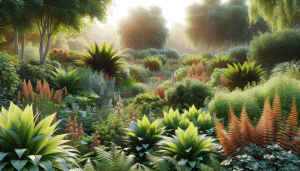
- A front yard in a drought-prone state replaced most of its lawn with native grasses, rock and gravel beds, and succulents. Water usage dropped by over 50%, maintenance reduced, while curb-appeal remains high.
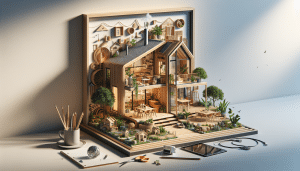
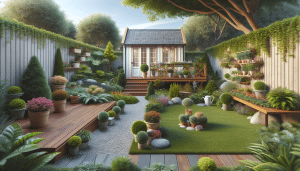
- A suburban backyard restructured into zones: outdoor seating under pergola, edible beds along fence, a small water feature, and native wildflower patches. The space is now used more—dinners, reading, gardening, relaxing.
Challenges & Things to Be Mindful About
- Initial cost: Structures like green walls, pergolas, or smart irrigation can have higher upfront costs.
- Maintenance learning curve: Native plants often require different care; soils may need amendment.
- Pests & climate events: Even drought-tolerant gardens need protection under extremes; plan for worst-case.
- Aesthetic balance: Combining edible and ornamental plants successfully requires design sense—want harmony, not haphazard look.
Summary
Gardening ideas that enhance outdoor spaces in 2025 strongly lean toward designs that are functional, climate-aware, and multi-purposed. Vertical gardens, drought-tolerant landscaping, edible landscaping, wellness-oriented zones, and native plantings give us ways to make outdoor spaces more beautiful and resilient.
If you’re planning garden improvements, start with assessing your climate and space; pick a few trends that match your priorities; and move forward in phases. With thoughtful design, your garden can be both a living artwork and a sustainable resource.
References
- HGTV. (2023) 20 creative garden ideas to maximize small outdoor spaces. Available at: https://www.hgtv.com/outdoors (Accessed: 22 September 2025).
- Better Homes & Gardens. (2023) 50 backyard landscaping ideas to transform your outdoor space. Available at: https://www.bhg.com/backyard-landscaping-ideas (Accessed: 22 September 2025).
- Royal Horticultural Society. (2022) Garden design: planning your outdoor space. Available at: https://www.rhs.org.uk/gardens/design (Accessed: 22 September 2025).

 Steps to Build Strong Leadership Skills