Interior Design Ideas That Maximize Functionality
Thomas Blake September 25, 2025
When space, comfort, and efficiency all compete for priority, the secret is choosing interior design ideas that maximize functionality. In 2025, homeowners and designers alike are pushing beyond aesthetics: the hottest interiors don’t just look good — they adapt. In this article, you’ll get fresh, well-researched ideas you can apply now.
Why “Maximizing Functionality” Is the New Design Standard
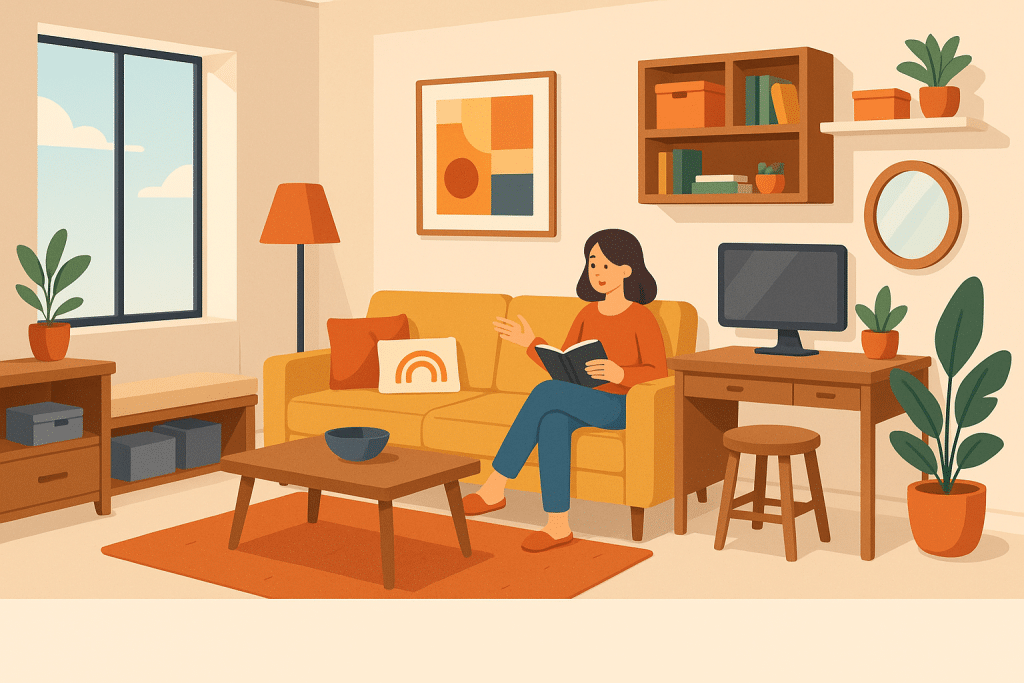
Urbanization, remote work, and shifting lifestyles are forcing homes to be more than static showpieces. They must flex — hosting a guest, becoming a home office, or shifting into a wellness zone on demand. As one recent survey notes, multifunctional furniture is a key tool to optimize space utilization and user experience in residential settings.
Additionally, in compact homes, research shows that furniture capable of serving multiple purposes helps to reduce clutter and make small layouts feel larger.
So, “interior design ideas that maximize functionality” is not just a trend phrase — it’s essential for modern living.
Top 6 Trends in Functional Interior Design for 2025
Here are actionable trends shaping interiors with high usability this year:
1. Smart & Hidden Technology
Expect devices and controls to stay out of sight unless needed. Think:
- Wireless charging surfaces built into side tables
- Built-in speakers and sensors camouflaged behind panels
- Retractable screens and blinds that disappear into ceilings
Design trend forecasts include “discreet tech” as a major pillar of interiors in 2025.
2. Modular & Reconfigurable Layouts
Rooms are no longer fixed. Modular furniture that reconfigures (sofa becomes bed, wall units that shift) gives flexibility. Many designs now use modular systems that you can adapt over time, rather than replace.
3. Convertible & Foldable Furniture
In very tight spaces, foldable elements are indispensable. New research on foldable multifunctional furniture is expanding design possibilities for micro units.
Examples:
- Dining tables that fold flat
- Wall beds with attached shelving
- Desks that fold into cabinets
4. Multi-Purpose Interior Zones
Instead of rigid room divisions, zones flex. A guest bedroom can morph into a sit-up yoga space. Living rooms may include a workspace behind sliding panels. This “multi-purpose interior” concept is among the top trends in 2025.
5. Sustainable & Long-Life Materials
Functionality isn’t just about form — durability counts. Materials that age well, allow repair, or are modular help interiors last longer. The 2025 design trend guides stress sustainable materials as essential, not optional.
6. Adaptive & Responsive Architecture
Looking ahead, furniture and architectural elements themselves may respond — partitions that shift, seating that adjusts to body shape, even robotic furniture movements. Emerging studies explore “adaptive architecture” gestures for robotic partitions to convey intent.
While full automation is not yet common, this is a glimpse of where “functionality” could evolve.
Implementing “Interior Design Ideas That Maximize Functionality” — A Guide
Here’s a step-by-step for applying these ideas in your home:
Step 1: Audit daily needs & flex points
List your essential daily activities (work, sleep, guests, meals) and where conflict arises. Mark which room must serve multiple roles.
Step 2: Choose a flexible baseline layout
Pick a base layout that allows furniture movement (e.g. avoid immovable built-ins across the room center).
Step 3: Adopt multifunctional anchor pieces
These should be your design “heroes.” Some examples:
- Sofa that becomes a guest bed
- Wall-mounted fold-down desk
- Coffee table with hidden storage or adjustable height
These anchor pieces build the backbone of functional design.
Step 4: Layer zones with sliding or partition elements
Use sliding doors, folding screens, or curtains to subdivide space when needed — and disappear when not. This adds versatility without visual clutter.
Step 5: Integrate hidden tech thoughtfully
Embed lighting, sound, and control units behind trim or integrate them into furnishings. Keep switches and connections consolidated and hidden.
Step 6: Prioritize longevity & modular repair
Select materials you can replace parts of — cushion covers, modular shelf units — so the design can evolve without full replacement.
Step 7: Plan for future upgradeability
Leave room for modular expansions. If rooms later become nurseries or offices, your layout and furniture should adapt without a full redesign.
Room-by-Room Functional Inspirations
Let’s look at how to apply these ideas across common areas:
Living Room / Lounge
- Convertible seating: Modular couches that shift shape or fold out
- Nested side tables: Stack or spread as needed
- Media cabinets with hidden compartments or sliding fronts
Dining & Kitchen
- Drop-leaf or fold-down tables
- Bench seating with storage lids
- Convertible kitchen islands that shift height or form
Home Office / Work Zone
- Foldable desks that disappear
- Wall-unit workstations combining storage, lighting, and desk
- Mobile partitions to separate work zone when needed
Bedroom / Guest Space
- Murphy beds with shelving or desks
- Under-bed storage drawers
- Sliding wardrobes with detachable modules
Multiuse Hallway or Entry
- Built-in lockers that fold or slide
- Fold-out drop zones for keys, laptop surfaces
- Mirror panels that double as storage doors
What to Watch Out For & Pitfalls
- Mechanism durability: Cheap hinges and lifts fail. Invest in quality hardware.
- Overcomplexity: If folding or modular parts are too intricate, daily use declines.
- Aesthetic compromise: Functionality must still complement the visual design.
- Cost premium: Multifunctional designs often carry a higher cost — budget accordingly.
The Future of Functional Interiors
As adaptive materials, smart fabrics, and modular systems advance, the boundary between architecture and furniture will blur. Homes may automatically reconfigure themselves according to time of day — walls slide, ceilings lower, surfaces reorient. Research into robotic gestures in furniture hints at future furniture that not only moves, but signals its intent to users.
But for now, the immediate gains come from applying interior design ideas that maximize functionality in practical, durable ways. The designs you choose today should respond to your life now — while remaining open to change.
Conclusion
Maximizing functionality in interiors is no longer optional — it’s essential. With the right mix of adaptable layouts, multifunctional furniture, hidden tech, and sustainable materials, you can craft spaces that shift with your life. By embracing interior design ideas that maximize functionality, you build homes that are not just beautiful — they work.
References
- Houzz Editorial Staff. (2023) 10 Small-Space Interior Design Ideas That Maximize Functionality. Available at: https://www.houzz.com/(Accessed: 25 September 2025).
- American Society of Interior Designers (ASID). (2022) Designing for Function and Flow: Interior Solutions for Modern Living. Available at: https://www.asid.org (Accessed: 25 September 2025).
- Better Homes & Gardens. (2021) Maximizing Small Spaces: Functional Interior Design Tips. Available at: https://www.bhg.com (Accessed: 25 September 2025).

 Travel Destinations That Inspire Personal Growth