Fun Hobbies That Encourage Sustainable Living
Emily Ward September 18, 2025
More people are turning to fun hobbies that encourage sustainable living as a way to save money, reduce stress, and contribute to a healthier planet. From gardening to upcycling, these activities are not just eco-friendly but also enjoyable and practical.
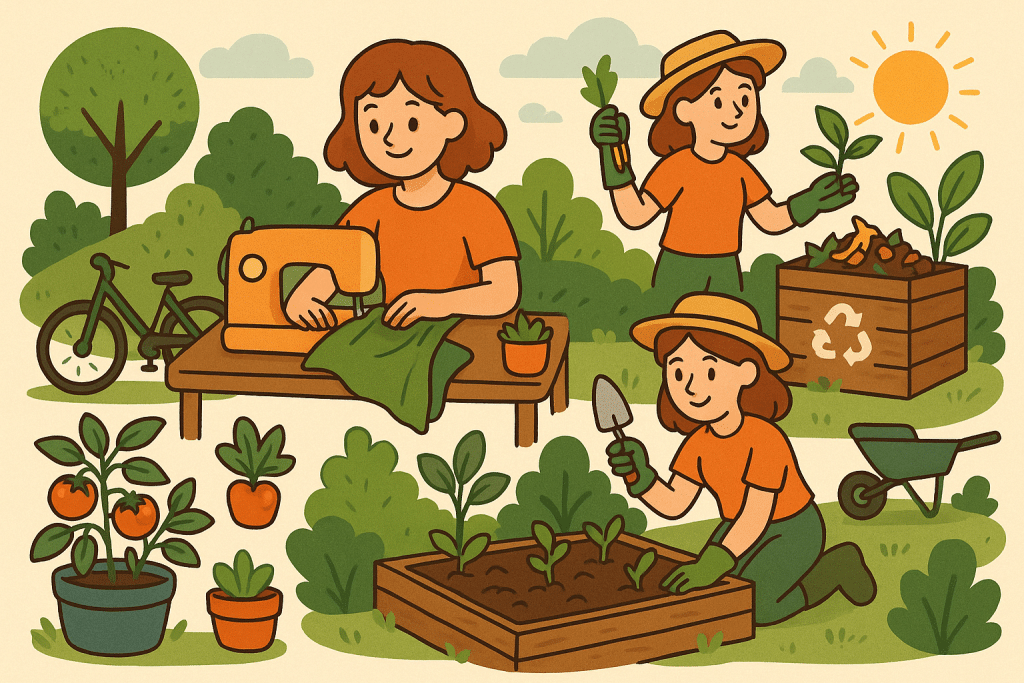
Why Hobbies and Sustainability Go Hand in Hand
Sustainable living is no longer just about recycling bins and reusable bags. It’s about making daily choices that minimize waste, conserve resources, and improve well-being. Hobbies play a huge role because they combine personal enjoyment with positive environmental impact.
According to the UN Environment Programme, lifestyle changes at the individual level can significantly reduce carbon footprints when adopted at scale (UNEP 2022). Hobbies are a perfect entry point since they often start small but grow into long-term habits.
Hot Trend #1: Urban Gardening and Micro-Farming
One of the fastest-growing fun hobbies that encourage sustainable living is urban gardening. Whether it’s a windowsill herb garden or a community allotment, this trend is transforming how people access food.
- Hydroponics and vertical gardening are booming in cities with limited space. A report by Allied Market Research shows the hydroponics market is expected to hit 16 billion dollars by 2025, reflecting growing consumer interest (Allied Market Research 2020).
- Beyond saving money on groceries, gardening improves mental health, lowers stress, and builds stronger community ties.
How to start:
- Grow easy crops like lettuce, spinach, or herbs in containers.
- Join local seed-sharing groups to reduce costs.
- Try balcony composting to reduce food waste and create natural fertilizer.
Upcycling: Turning Waste Into Value
Upcycling is the art of turning old or unused items into something functional or stylish. It’s creative, budget-friendly, and keeps waste out of landfills. Instead of discarding items, you breathe new life into them—saving money and reducing your environmental footprint at the same time.
For instance, the U.S. Environmental Protection Agency (EPA) reports that furniture waste alone accounts for nearly 12 million tons annually, a staggering figure that highlights how much of what we throw away could instead be repaired or repurposed (EPA 2021). By engaging in upcycling, hobbyists are not only cutting down on this massive waste stream but also avoiding the rising costs of purchasing new products. Research has shown that extending the lifespan of furniture and household goods through reuse can reduce environmental impact by as much as 50% compared to buying new replacements (Cooper and Gutowski 2017).
Beginner-Friendly Upcycling Ideas:
- Glass Jars into Storage – Perfect for pantry organization or DIY lanterns.
- Old Clothes into Tote Bags – A simple sewing project that saves money and reduces textile waste.
- Sand and Paint Old Furniture – Revamp worn pieces with color and creativity instead of replacing them.
What makes upcycling even more exciting is its popularity online. Platforms like TikTok and Pinterest are fueling a new wave of sustainable creativity. Viral DIY tutorials showcase how easy and stylish upcycling can be, inspiring millions worldwide to take part in this eco-friendly movement. This hobby isn’t just about saving the planet—it’s also about self-expression, saving money, and even creating unique, one-of-a-kind pieces that can’t be bought in stores.nterest, where viral DIY tutorials inspire millions to experiment with sustainable creativity.
Hot Trend #3: Foraging and Community Food Swaps
Foraging, once seen as an old-fashioned survival skill, is making a comeback among younger generations. People are learning how to identify edible plants, mushrooms, and herbs in local green spaces.
- Experts emphasize the importance of responsible foraging, such as avoiding overharvesting and respecting local biodiversity (Smith 2021).
- Community food swaps are also trending, where neighbors trade surplus produce, baked goods, or preserved items. This creates a circular economy and reduces food waste.
Pro Tip: Always check local regulations and take a guided foraging walk before starting.
Hot Trend #4: Sustainable Fashion as a Hobby
Fast fashion is a major environmental issue, contributing to nearly 10% of global carbon emissions (Ellen MacArthur Foundation 2017). As a response, people are embracing sustainable fashion as a hobby:
- Thrifting and clothing swaps save money and reduce textile waste.
- Sewing and mending clothes extend their lifespan while adding personal style.
- Natural dyeing with kitchen scraps like onion skins or avocado pits has become a viral hobby online.
This trend appeals to eco-conscious hobbyists who want to make fashion both personal and sustainable.
Hot Trend #5: Renewable Energy Hobbies
A more tech-focused but emerging hobby is experimenting with small-scale renewable energy. Enthusiasts are building solar ovens, DIY wind turbines, and even homemade water filters.
Not only do these hobbies spark curiosity, but they also demonstrate how clean energy works at a personal scale. For example, DIY solar kits have become popular among off-grid campers and sustainability advocates alike.
Beginner projects include:
- Solar-powered phone chargers.
- Mini wind turbines for garden lights.
- Rainwater harvesting systems for backyard irrigation.
Why These Hobbies Matter for Comfort and Well-Being
Beyond sustainability, these hobbies improve personal comfort and quality of life. Gardening reduces stress levels, sewing boosts creativity, and foraging fosters connection with nature.
The American Psychological Association highlights that engaging in meaningful hobbies lowers anxiety and increases resilience (APA 2020). When combined with eco-friendly practices, the benefits are both personal and planetary.
How to Start Your Sustainable Living Hobby Journey
- Pick one area (gardening, fashion, DIY, etc.) to avoid overwhelm.
- Start small—you don’t need to overhaul your lifestyle overnight.
- Use online resources like YouTube tutorials, TikTok challenges, and community forums.
- Track your progress by noting money saved, waste reduced, or skills learned.
- Share with others—joining hobby groups makes the journey more fun.
Final Thoughts
Fun hobbies that encourage sustainable living are more than just trends—they’re lifestyle shifts with long-term benefits. From urban gardening to DIY fashion, these activities bring joy, comfort, and a sense of contribution to a healthier planet. Whether you start with a balcony herb garden or sewing a thrifted jacket, your small step could inspire others to join in.
References
- United Nations Environment Programme (2023) Sustainable lifestyle choices: Small changes, big impact. Available at: https://www.unep.org/resources/ (Accessed: 18 September 2025).
- National Geographic (2022) 10 eco-friendly hobbies that help the planet. Available at: https://www.nationalgeographic.com/environment (Accessed: 18 September 2025).
- The Guardian (2021) How green hobbies are shaping a sustainable future. Available at: https://www.theguardian.com/environment(Accessed: 18 September 2025).

 Strategies for Preventive Healthcare in Busy Lifestyles