Fitness Practices That Support Healthy Aging
Emily Ward October 8, 2025
Aging is a natural process, yet the way people experience it varies greatly. While genetics play a role, lifestyle choices—especially fitness—have a profound impact on how gracefully we age. In 2025, more individuals are embracing fitness practices that support healthy aging to stay active, independent, and full of vitality well into later years.
Moreover, healthy aging is not about defying age but about enhancing quality of life. The right exercises improve strength, mobility, and mental health while also lowering the risk of chronic conditions. As a result, fitness has become one of the most reliable and accessible tools for extending both healthspan and lifespan.
Why Fitness Matters for Aging Well
Physical activity affects nearly every system in the body. For older adults, exercise supports muscles, bones, and joints, which naturally weaken over time. It also protects cognitive health, as research shows that regular movement lowers the risk of memory decline.
The benefits of maintaining fitness as we age include:
- Improved mobility – Staying active reduces stiffness and supports independence.
- Stronger bones – Weight-bearing activities protect against osteoporosis.
- Better balance – Targeted exercises lower the risk of falls.
- Cardiovascular health – Aerobic activity supports heart and lung function.
- Enhanced cognition – Exercise increases blood flow to the brain, supporting memory and focus.
- Emotional resilience – Physical activity lowers stress and improves mood.
Therefore, fitness is not simply optional—it is essential for living well with age.
Fitness Practices That Support Healthy Aging
1. Strength Training for Longevity
Building muscle is key to aging well.
- Weightlifting, resistance bands, and bodyweight exercises preserve muscle mass.
- Strength training boosts metabolism and supports bone density.
- Programs tailored to ability levels reduce injury risks.
As a result, older adults who strength train remain stronger, more mobile, and more independent.
2. Aerobic Exercises for Heart and Lung Health
Cardiovascular fitness supports endurance and vitality.
- Walking, swimming, and cycling keep the heart healthy.
- Low-impact options like water aerobics are joint-friendly.
- Interval training helps adapt intensity to personal limits.
Consequently, aerobic activity ensures stamina for daily activities.
3. Flexibility and Mobility Training
Flexibility is often overlooked but essential.
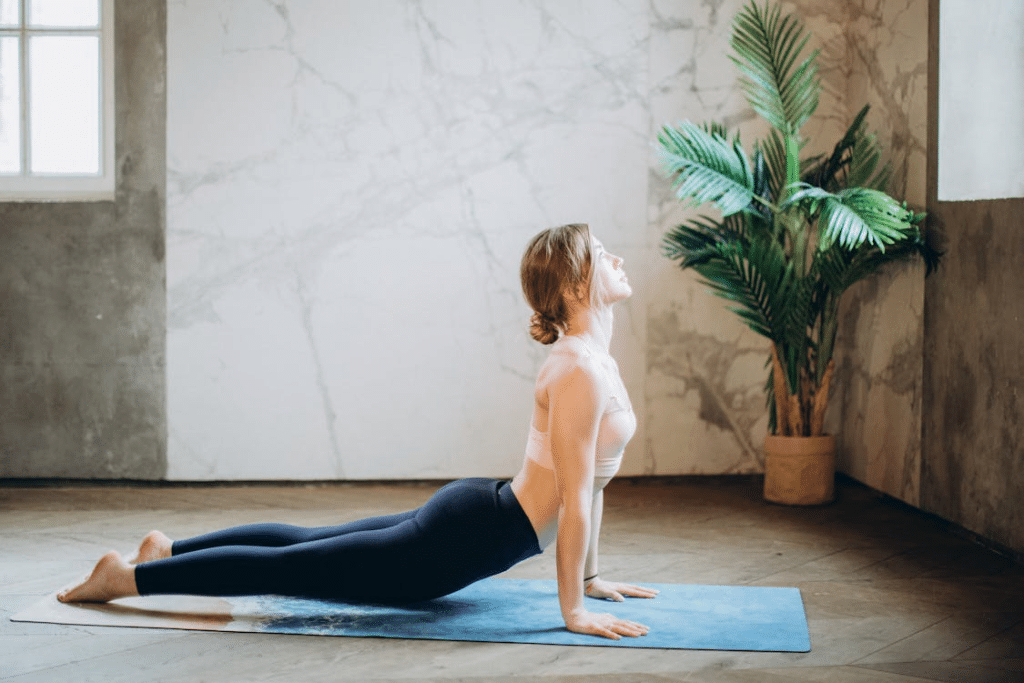
- Yoga and Pilates maintain joint mobility.
- Gentle stretching reduces stiffness.
- Dynamic movements prepare the body for safe exercise.
Therefore, flexibility work helps older adults move comfortably and confidently.
4. Balance and Coordination Workouts
Falls are one of the biggest risks for older adults.
- Tai chi improves balance and mind-body connection.
- Standing on one leg or heel-to-toe walking builds stability.
- Balance boards and resistance training enhance coordination.
As a result, fall prevention becomes a proactive fitness goal.
5. Mind-Body Practices
Mental health is equally important as physical health.
- Meditation and yoga improve focus and reduce stress.
- Breathwork enhances relaxation and lowers blood pressure.
- Mind-body practices build resilience against emotional decline.
Consequently, these practices create holistic well-being in later years.
6. Functional Fitness for Daily Life
Fitness should mirror real-world tasks.
- Squats, lunges, and core work prepare for lifting or bending.
- Carrying weights simulates grocery bags or household tasks.
- Functional training maintains independence in everyday routines.
Thus, functional exercises extend quality of life by supporting autonomy.
7. Social and Group Fitness
Community adds motivation and joy to fitness.
- Group classes foster accountability and friendships.
- Dance classes and walking clubs combine fun with activity.
- Social engagement reduces loneliness and encourages consistency.
Therefore, fitness becomes a lifestyle rather than a chore.
8. Outdoor Fitness and Nature-Based Activities
Nature supports both mental and physical health.
- Hiking improves endurance while offering fresh air.
- Gardening combines low-intensity exercise with relaxation.
- Outdoor yoga reduces stress more effectively than indoor settings.
As a result, outdoor fitness combines health benefits with emotional uplift.
9. Recovery and Rest Practices
Aging bodies require more recovery.
- Rest days prevent injury and overtraining.
- Gentle stretching and foam rolling improve circulation.
- Quality sleep ensures physical repair and cognitive clarity.
Consequently, balance between activity and rest becomes vital.
10. Technology-Supported Fitness
Smart devices make fitness more accessible.
- Wearables track heart rate, steps, and sleep.
- AI-powered apps adjust workouts to individual progress.
- Virtual classes allow access from home, improving consistency.
Therefore, technology personalizes fitness and keeps older adults engaged.
Practical Daily Routine for Healthy Aging
- Begin the morning with stretching or yoga.
- Take a 20–30 minute walk after breakfast.
- Include resistance training two to three times a week.
- Join a social activity such as a dance class or group workout.
- End the day with meditation and light stretching.
By applying these practices, aging becomes an empowering journey rather than a limiting one.
Trends in Fitness and Aging for 2025
Several innovations are shaping fitness for older adults:
- AI coaching platforms that create adaptive workout plans.
- Wellness retreats combining exercise with nutrition and mindfulness.
- Community-based programs focusing on active aging.
- Medical fitness partnerships between gyms and healthcare providers.
- Virtual reality workouts designed for balance and coordination.
These trends show that fitness for aging is becoming more personalized, inclusive, and innovative.
The Bottom Line
Healthy aging requires more than medical care; it requires consistent lifestyle practices. By adopting fitness practices that support healthy aging, individuals strengthen both body and mind, ensuring independence, resilience, and joy in later years. From strength training and flexibility to social activities and rest, every choice contributes to long-term wellness.
In conclusion, aging is inevitable—but how we age is within our control.
References
- National Institute on Aging. (2024). Exercise and physical activity for older adults. Retrieved from https://www.nia.nih.gov
- Healthline. (2025). Best exercises for healthy aging and longevity. Retrieved from https://www.healthline.com
- Harvard Health Publishing. (2025). How fitness supports brain and body as we age. Retrieved from https://www.health.harvard.edu

 Gardening Tips That Support Healthy Growth