DIY Projects That Add Style and Function to Homes
Thomas Blake October 3, 2025
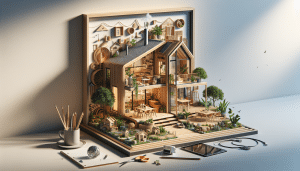
DIY Projects That Add Style and Function to Homes are increasingly popular because they allow homeowners to customize their living spaces while adding both style and functionality. Engaging in DIY activities encourages creativity, fosters a sense of accomplishment, and can significantly improve the utility of everyday spaces. According to Houzz, 70% of homeowners in recent surveys report undertaking DIY projects to enhance both aesthetics and practicality. These projects range from small decorative updates to functional furniture and storage solutions, offering opportunities to personalize homes in meaningful ways.
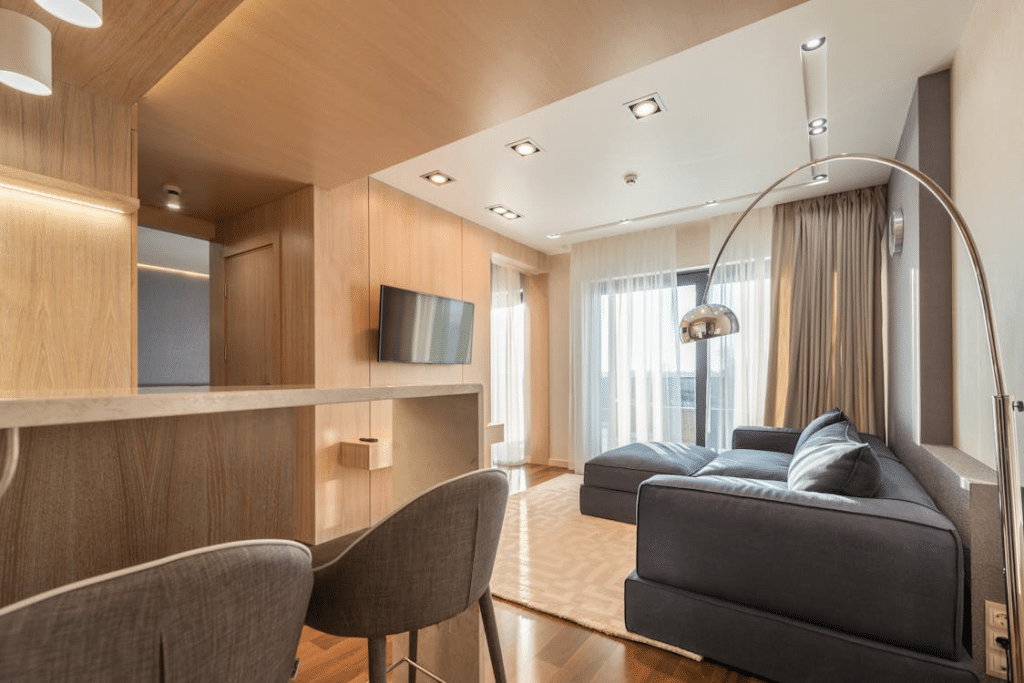
Choosing the Right DIY Projects: DIY Projects That Add Style and Function to Homes
Selecting DIY projects requires balancing style, function, and feasibility. Consider the following factors:
- Space needs: Identify areas where functionality is lacking, such as cluttered kitchens, underutilized corners, or poorly organized storage.
- Skill level: Choose projects that align with your current abilities, gradually advancing to more complex builds.
- Budget: Evaluate materials and tools needed to ensure projects are affordable and sustainable.
- Style compatibility: Ensure that designs complement your existing decor to maintain a cohesive aesthetic.
Functional Storage Solutions
One of the most practical applications of DIY is creating storage that saves space and organizes belongings. Examples include:
- Floating shelves for books, plants, and decorative items
- Under-bed drawers for clothing or seasonal items
- Custom closet organizers for shoes, accessories, and folded garments
- Kitchen pull-out shelves or spice racks to streamline cooking and accessibility
DIY storage projects improve efficiency by reducing clutter, making it easier to locate items, and maximizing available space.
Furniture Makeovers and Upcycling
Repurposing old furniture is both eco-friendly and stylish. Sanding, painting, or reupholstering pieces can refresh their appearance and function. For example:
- Transforming an old dresser into a kitchen island with storage
- Turning wooden crates into side tables or bookshelves
- Repainting chairs and tables to match new interior color schemes
Upcycling furniture not only saves money but also reduces waste, offering a creative and personalized touch to any room.
Decorative Enhancements
DIY projects can also focus on enhancing the visual appeal of interiors. Options include:
- Wall art and murals: Painting or creating framed artworks to reflect personal style
- Accent walls: Using paint, wallpaper, or reclaimed wood to add texture and color
- Decorative lighting: Installing pendant lights, string lights, or DIY lamps to set ambiance
These projects allow homeowners to express creativity while elevating the atmosphere of their spaces without requiring significant investment.
Multi-Functional Pieces
Combining style and utility is a hallmark of effective DIY design. Multi-functional pieces, such as bench seating with storage or fold-out desks, maximize the usability of limited space. For instance, a coffee table with hidden compartments can store magazines and remote controls, reducing clutter. Modular furniture that adapts to different rooms or needs provides flexibility, making everyday life more convenient. DIY solutions for multi-functional furniture often allow customization in size, finish, and design to suit specific spaces.
Outdoor DIY Projects
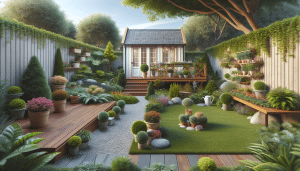
Enhancing outdoor spaces adds both aesthetic and functional value to homes. Simple DIY projects include:
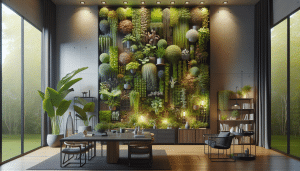
- Planter boxes or vertical gardens for flowers, herbs, or vegetables
- Patio furniture upgrades using reclaimed wood or painted metal
- Outdoor lighting installations for safety and ambiance
- DIY fire pits or seating arrangements for gatherings
Outdoor projects improve usability of exterior spaces, create inviting environments, and provide opportunities to enjoy fresh air and nature.
Sustainability in DIY Projects
Eco-conscious DIY projects are increasingly relevant. Using recycled materials, repurposing old furniture, and minimizing chemical-based finishes contribute to sustainable home improvements. For example, pallets can be transformed into storage units, coffee tables, or vertical planters, reducing the need for new materials. Incorporating sustainability into DIY projects aligns with environmental goals while adding distinctive character to interiors.
Tools, Materials, and Safety
Successful DIY projects require proper tools, materials, and safety precautions. Essential tools include drills, hammers, saws, measuring tapes, and sanding equipment. Materials can range from wood, metal, and fabrics to paints, adhesives, and fasteners. Safety gear, such as gloves, goggles, and masks, ensures protection during construction and finishing processes. Adequate preparation and research prevent accidents, improve project quality, and reduce frustration during execution.
Planning and Execution Strategies
Effective DIY project completion relies on planning and strategy. Steps include:
- Research and Inspiration: Gather ideas from online platforms, magazines, or design books.
- Blueprints and Measurements: Draw diagrams and measure spaces to ensure accurate construction.
- Material Procurement: Purchase all necessary materials and tools before starting.
- Step-by-Step Execution: Follow logical sequences, allowing time for drying, curing, or setting.
- Final Touches: Focus on finishing details such as paint touch-ups, hardware installation, or decorative accents.
By approaching projects methodically, homeowners increase the likelihood of achieving both style and functionality successfully.
Conclusion
DIY projects provide an effective way to enhance both style and functionality in homes. From storage solutions and furniture makeovers to decorative enhancements and outdoor projects, DIY activities encourage creativity, sustainability, and practical improvements. Multi-functional designs, careful planning, and attention to safety ensure projects are both appealing and usable. By integrating personalized DIY solutions, homeowners can transform spaces into functional, beautiful environments that reflect individual style and meet daily living needs.
References:
- Houzz. (2023). DIY Home Projects and Ideas. https://www.houzz.com
- The Spruce. (2023). Creative DIY Home Projects for Style and Function. https://www.thespruce.com
- Better Homes & Gardens. (2022). DIY Tips for Home Organization and Design. https://www.bhg.com
- National Association of Home Builders. (2021). Trends in DIY Home Improvements. https://www.nahb.org

 Smart Finance Practices That Support Long-Term Goals