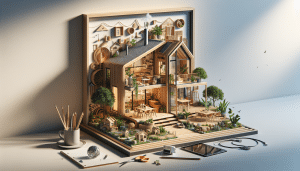
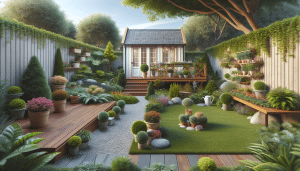
DIY Gardening Projects That Transform Outdoor Spaces
Thomas Blake September 22, 2025
DIY vertical foodscaping combines growing edibles (like vegetables, herbs, fruit) in vertical structures with design-forward garden layout. It’s trendy because it makes gardens both beautiful and productive, particularly where space, resources, or climate are limiting. In this article, you’ll learn why this is taking off, and how to build your own projects that will change your outdoor space for the better while being sustainable and practical.
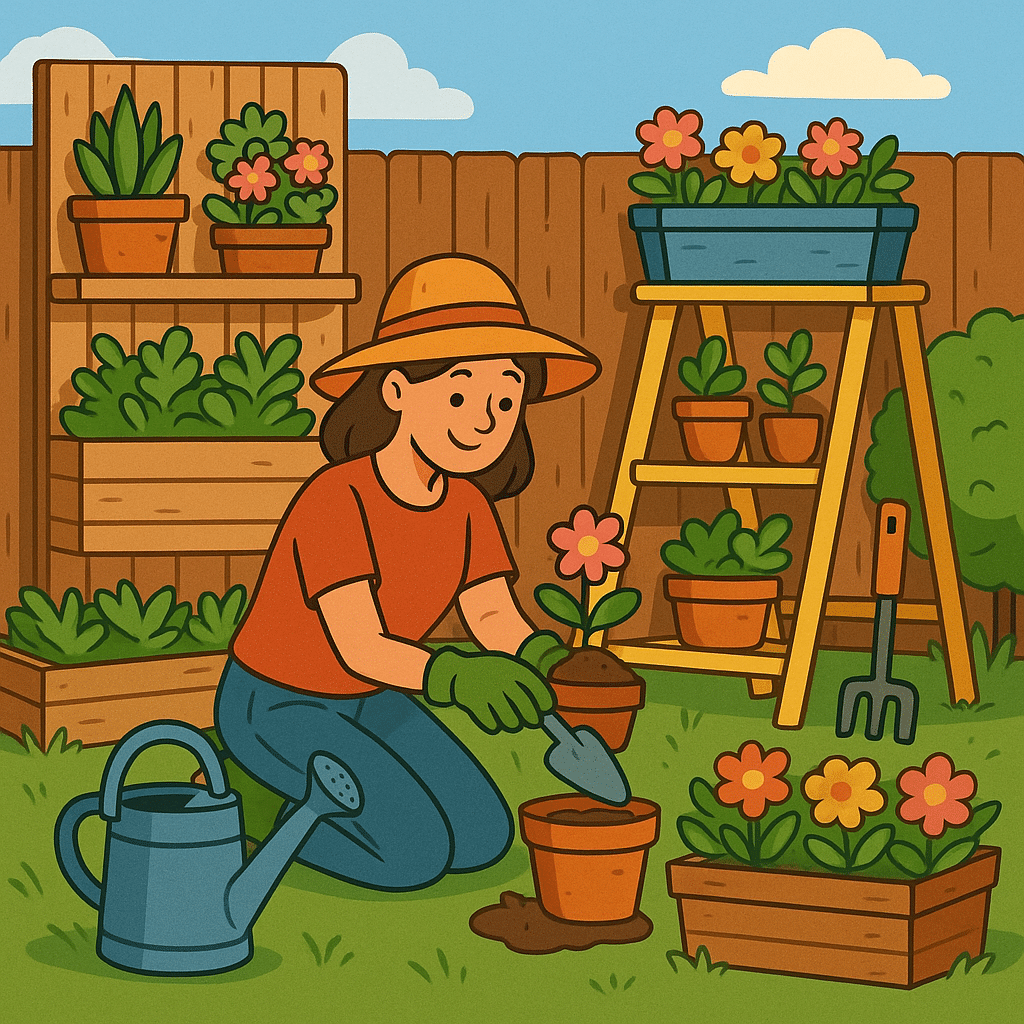
If you’re thinking of improving your outdoor space, the shift towards DIY vertical foodscaping is redefining how gardens look and function. This trend blends growing your own food with stylish garden design, all while saving space, water, and effort.
What is DIY vertical foodscaping & why it matters
DIY vertical foodscaping refers to creating garden spaces where edible plants are grown in vertical arrangements — on walls, trellises, containers stacked up, living walls, etc. But it’s more than just space-saving: it’s turning ornamental gardens into dual-purpose landscapes that are both functional and beautiful.
Key reasons it matters now:
- Urbanization and shrinking ground space push gardeners to think upward.
- Climate change / irregular rainfall make water efficiency more important.
- Rising interest in food security, homegrown produce, health.
- Aesthetic trends leaning toward combining form + function.
- Desire for low-maintenance, resilient gardens.
These are reflected in many recent gardening trend reports for 2025. For instance, sustainability, biodiversity, regenerative planting are among the top themes. Vertical gardens (living walls, green walls) are being highlighted as especially valuable for urban and small-space environments.
Key Emerging Trends Related to DIY Vertical Foodscaping
Here are the sub-trends you should know, which also offer project ideas:
| Trend | What It Looks Like | Why It’s Growing |
|---|---|---|
| Regenerative gardening & soil health | Projects that build and replenish soil (composting, cover crops), avoid chemical inputs. | Helps with resilience amid climate change; improves plant health; reduces cost. |
| Native and edible plant integration (foodscaping) | Mixing herbs, fruit bushes, edible flowers etc into decorative garden layouts. Edible + ornamental. | Supports biodiversity; yields produce; saves water; local climate adaptation. |
| Vertical gardens / living walls | Growing walls; trellises; stacked planters; green facades. | Maximizes small or vertical space; improves air; shade; lowers urban heat effects. |
| “Green drenching” / immersive greenery | Dense foliage, many shades of green; walls, fences, hanging baskets; lush plant layering. | Creates calming environments; psychological benefits; aesthetic appeal. |
| Climate-resilient and low-maintenance gardens | Drought tolerant plants; hardscaping; mulch; raised beds; design to reduce maintenance. | Less work, less water, better adaptation to weather. |
How to Kick Off Your Own DIY Vertical Foodscaping Project
Here are steps and practical tips to implement this trend in your outdoor space. Even if you have very limited land / budget, many of these ideas scale up or down.
Step 1: Assess your space & conditions
- Sunlight exposure: Which walls or fences get how many hours of sun/shade?
- Water availability & drainage: Do you have rainwater harvesting? Good soil or compost?
- Climate & plant hardiness: What plants thrive in your local conditions (heat, humidity, drought)?
- Structural capacity: Can your wall support weight (soil, water, planters)?
Step 2: Choose appropriate vertical structure types
Some structure options for vertical foodscaping:
- Trellises & arbor frames – for climbing vegetables (beans, cucumbers, peas).
- Stacked pots or tiered planters – easy and flexible; smaller spaces.
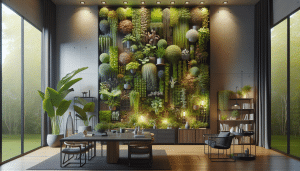
- Living walls (modular panels, pocket systems) – more work, but high visual impact.
- Hanging baskets and wall-mounted containers – good for herbs, small plants.
- Repurposed / upcycled materials – pallets, old gutters, wooden crates.
When choosing materials, try to use recycled/reclaimed wood or durable weather-resistant plastics/metals; ensure good drainage and avoid waterlogging.
Step 3: Select your plants
For DIY vertical foodscaping, aim for a mix of:
- Edibles: herbs (basil, mint, chives), leafy greens, small fruit (strawberries), compact peppers, tomatoes (especially determinate / bush type).
- Ornamental / flowering edibles: edible flowers like nasturtiums, marigolds, flowering herbs (lavender, rosemary).
- Native or drought-tolerant species: these reduce water need and maintenance.
Match plant choices to sun/shade and vertical location (top gets more sun; bottom may get shade).
Step 4: Irrigation and maintenance strategy
- Drip or micro-irrigation systems: efficient water delivery.
- Rainwater harvesting / greywater reuse: cost-saving and sustainable.
- Mulching / soil amendment: retains moisture; improves soil health.
- Monitor pests/disease: vertical structures often improve airflow, which helps; but still check regularly.
Step 5: Aesthetic finishing touches and functionality
- Use clean lines or decorative frames for living walls so they look intentional.
- Lighting: add simple solar or LED lights to make them usable or visible at night.
- Paths / walkways / seating nearby make the garden space usable – you want people to enjoy being around it.
- Storage / tools access: make sure it’s easy to reach planters for harvesting, watering, pruning.
Example DIY Projects to Try
Here are three project ideas, with different scales:
- Small-space herb wall
Use hanging planters or vertical wooden pallet. Mount on a sunny wall. Plant various herbs. Incorporate drip irrigation. Ideal for a balcony or small yard. - Living foodscape panel
Build or buy modular panels. Fill with mix of edibles and ornamentals. Place on a south- or east-facing wall. Possible to integrate seasonal rotation. - Stacked planter tower
Use stacked pots (tiered) or a tower system to grow strawberries or leafy greens. Great for raised beds or patios.
Challenges / What to Be Mindful About
Doing vertical foodscaping isn’t without trade-offs. Here are some things to watch:
- Weight & structure: Soil + water weigh a lot. Walls must handle load; ensure strong mounting.
- Water management: Vertical planters dry out quicker; must ensure consistent watering and drainage.
- Initial cost & materials: Living walls or modular systems can be more expensive up front. Using upcycled materials helps.
- Plant selection & seasonality: Some plants may struggle in harsh sun or very dry conditions. Local/native species often perform better.
Why DIY Vertical Foodscaping Will Shape Outdoor Spaces in the Next Few Years
- It aligns with larger trends: sustainability, biodiversity, regenerative planting.
- It answers demand for functional gardens: places that look good and provide food, health, well-being.
- It helps households reduce dependency on grocery supply for some produce, especially useful in areas with supply chain issues or higher food cost.
- As technology (smart irrigation, sensors) becomes cheaper, maintaining vertical foodscapes becomes easier.
Summary & Getting Started Today
To begin:
- Pick one small vertical structure (e.g., a wall, fence segment, or set of hanging pots).
- Source plants adapted to your local climate (local extension services, nurseries).
- Build or install your structure, using recycled or durable materials if possible.
- Set up efficient watering (drip, rain catchment).
- Start small, monitor, adapt: observe which plants work, how much water is used, how plants respond to sun/shade.
Within a few weeks to months, you’ll start seeing transformation: more green, more produce, more use of your outdoor space, less wastage.
References
- Royal Horticultural Society. (2023) Easy DIY gardening projects to transform your outdoor space. Available at: https://www.rhs.org.uk/ (Accessed: 22 September 2025).
- Better Homes & Gardens. (2022) Creative garden ideas you can do yourself. Available at: https://www.bhg.com/gardening (Accessed: 22 September 2025).
- Gardening Know How. (2021) Simple backyard projects to improve your garden space. Available at: https://www.gardeningknowhow.com (Accessed: 22 September 2025).

 Wellness Practices That Reduce Daily Stress