Gardening Practices That Promote Sustainability
Thomas Blake October 2, 2025
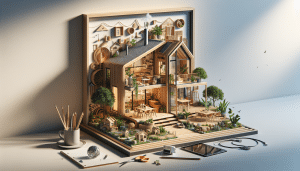
If you’re looking to adopt sustainable gardening practices, now is a great moment: 2025 is seeing a surge in novel methods that let you grow food or ornamentals in harmony with nature. From regenerative soil systems to smart sensor gardens, this article covers emerging trends and actionable techniques to make your garden more resilient, productive, and Earth‑friendly.
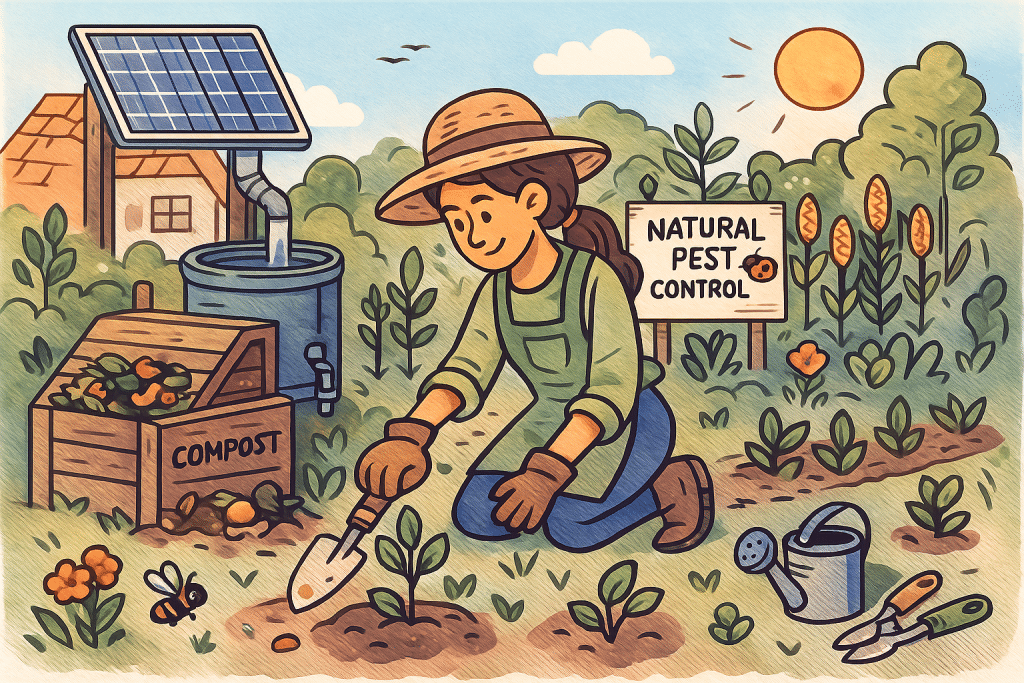
Why Sustainable Gardening Practices Matter More Than Ever
Global environmental pressures — climate change, biodiversity loss, soil degradation, water scarcity — are forcing gardeners and growers to rethink traditional approaches. Gardens are no longer just aesthetic patches or food plots; they’re microecosystems that, if managed smartly, can regenerate soil, sequester carbon, reduce waste, and support pollinators.
In 2025, gardeners are increasingly turning to systems that mimic natural ecosystems rather than fight them. According to University of Minnesota extension, designers are embracing organic fertilizers, water‑efficient irrigation, composting, and permaculture to build landscapes that function with minimal external inputs.
Also, regenerative and agroecological techniques — long staples in farming — are being adapted to home gardens, improving soil microbiology and nutrient cycling even at small scales.
Below, I detail six key sustainable gardening practices gaining traction now — with tips you can apply whether you have a backyard, balcony, or community plot.
1. Regenerative Soil Management: Building Soil, Not Depleting It
One of the central tenets of sustainable gardening practices is shifting focus from merely planting to nurturing the soil foundation. Regenerative soil practices aim to restore soil structure, enhance microbial life, and lock in carbon.
What this involves:
- No or minimal tilling: Avoiding deep digging helps preserve soil structure, fungal networks, and moisture retention.
- Cover cropping & green manures: Planting legumes, grasses, or buckwheat during “off” seasons helps prevent erosion, fixes nitrogen, and feeds the soil.
- Compost and organic inputs: Applying well-aged compost or vermicompost supports beneficial microbes and micronutrient availability.
- Crop/residue retention: Leaving plant residues or root systems in place after harvest helps organic matter build up.
These methods mirror regenerative farming approaches adapted for even small plots.
How to start:
- Begin with a baseline soil test to see pH, organic matter, and nutrient levels.
- For new beds, skip full tilling; instead, double-dig shallowly or use sheet mulching techniques.
- Rotate cover crops in off‑seasons (e.g., clover, vetch).
- Topdress with compost annually and mulch to suppress weeds and retain moisture.
The payoff is a richer, living soil that demands fewer synthetic inputs and is more resilient to drought, pests, and nutrient leaching.
2. Foodscaping & Edible Landscapes
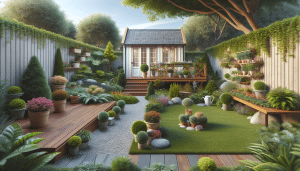
Integrating beauty and utility is a rising trend in sustainable gardening. Foodscaping (or edible landscaping) blends edible plants with ornamental design so your garden is both productive and visually pleasing.
Why it works:
- Better land utilization: edible plants fill gaps in decorative beds.
- Reduced food miles and reduced reliance on store-bought produce.
- Enhanced ecosystem services: pollinators, habitat, soil health.
Tips for edible‑landscape design:
- Choose dual-purpose plants — e.g. colorful chard, fruiting herbs, berry bushes.
- Use raised beds, container planters, or border edges to separate edible zones visually.
- Plant in guilds: companion plants, nitrogen fixers, pest deterrents together.
- Try intercropping flowers (e.g. calendula) with veggies to attract pollinators.
By turning your yard into a multipurpose space, you make every square foot count.
3. Smart, Data‑Driven Gardens (IoT + Sensing)
Technology is carving a place even in the most down-to-earth gardens. In 2025, smart sensors, AI, and data integration are aiding gardeners in resource optimization and early stress detection.
A recent research project demonstrated a multimodal data framework combining imagery, environmental sensing, and machine learning to predict water stress in indoor plants.
Elsewhere, smart “soil carbon copilots” are under development to help land stewards track soil organic carbon changes and guide regenerative decisions.
Practical steps to integrate tech:
- Start with a soil moisture sensor or probe. This helps avoid overwatering and water waste.
- Use light or temperature sensors to guide plant placement or shading needs.
- Try low‑cost garden hubs or microcontrollers (e.g. Arduino, Raspberry Pi) to automate watering or alerts.
- Explore apps or platforms that aggregate data to show trends (moisture, temperature, sunlight).
Even simple sensors can help you adjust watering, reduce resource use, and catch plant stress before you see symptoms.
4. Agroforestry, Food Forests & Multi‑Strata Planting
Another sustainable technique gaining momentum in residential and community gardens is agroforestry or creating mini food forests. Rather than rows of annuals, this design mimics woodland layers — combining trees, shrubs, vines, herbs, and groundcovers.
Benefits:
- Greater structural diversity and biodiversity.
- More year‑round yield from multiple layers.
- Soil protection and shade for understory plants.
- Carbon sequestration and habitat for wildlife.
How to implement small scale:
- Start by planting a few fruit or nut trees.
- Underplant with shrubs (berries), then herbs, then groundcovers.
- Incorporate nitrogen-fixing species (e.g. legumes) to feed the system naturally.
- Use coppicing or selective pruning to manage space and light dynamics.
Over time, your patch becomes more self-sustaining, needing fewer external inputs.
5. Water‑Wise Gardening & Permaculture Principles
Efficient water use is integral to sustainable gardening practices, especially in regions experiencing droughts or erratic rainfall.
Key strategies:
- Rainwater capture & storage: Rain barrels, swales, or rain gardens collect and slowly release water.
- Drip or soaker irrigation: Direct delivery to root zones reduces loss via evaporation.
- Mulch and groundcover: Retain soil moisture, suppress weeds, and buffer soil temperatures.
- Permaculture design: Orient beds to catch and funnel water, employ micro‑contours, and use natural patterns (e.g. keyline design).
Garden design guides from 2025 emphasize water-efficient landscaping as a top trend.
Quick steps:
- Map contour lines or slopes in your garden.
- Place rain barrels or funnel systems at downspouts.
- Replace lawn where possible with native, low-water groundcovers or clover lawns.
- Zone your garden so that thirsty plants are clustered near water sources.
These choices reduce water bills and strengthen garden resilience when rains fail.
6. Pollinator & Biodiversity Focused Planting
A sustainable garden should aim to serve not just people — but all the creatures that make ecosystems work.
Practices to support biodiversity:
- Plant native species and nativars (cultivated natives) that local insects, birds, and pollinators recognize.
- Create habitat zones (bee hotels, logs, leaf litter shelters).
- Limit use of synthetic pesticides; rely on biological controls and companion planting.
- Grow a mix of early, mid, and late season bloomers to support pollinators year-round.
These steps knit your garden into the larger ecological fabric, rather than making it an island.
Putting It All Together: A Sample Sustainable Garden Build
Here’s a sample timeline and plan for shifting toward sustainable gardening practices over a year:
| Phase | Focus | Actions |
|---|---|---|
| Months 1–2 | Base assessment & planning | Soil test, mapping water flows, selecting native plants |
| Months 3–4 | Soil foundation | Start compost, plant cover crops, minimal tilling |
| Months 5–6 | Layer and diversify | Plant a few trees/shrubs; begin foodscaping |
| Months 7–8 | Install tech & water systems | Place moisture sensors, set up drip lines, capture rainwater |
| Months 9–12 | Biodiversity & refining | Introduce pollinator zones, monitor sensor data, rotate plantings |
You don’t have to implement every technique at once. Pick one or two, observe results, then expand.
Challenges and Considerations
- Patience is key: Soil regeneration and ecological shifts take time — six months to years, not weeks.
- Context matters: Climate, soil type, water availability, and region will influence approach.
- Cost & learning curve: Tech sensors or specialized plants have upfront cost; start simple.
- Balancing design and function: Some aesthetic pruning might be needed to avoid overgrowth or shade issues.
- Adaptation over adoption: Be ready to adapt methods to your garden’s changing conditions.
Conclusion
If you adopt sustainable gardening practices, you’re not just cultivating plants — you’re cultivating resilience, community, and nature’s networks. In 2025, emerging trends like regenerative soil systems, foodscaping, smart gardens, agroforestry, and biodiversity-centered design give gardeners powerful tools. Begin small, observe carefully, and layer techniques as your confidence and soil health grow. Over time, your garden becomes not just a space—but a living, sustainable ecosystem.
Reference
- Colombi, G., et al. (2025). Review Paper: Regenerative organic agriculture and soil health. Journal, available at: https://www.sciencedirect.com/science/article/ (Accessed 2025).
- Khangura, R. (2023). Regenerative Agriculture — A Literature Review on sustainable practices. Sustainability, MDPI, available at: https://www.mdpi.com/ (Accessed 2025).
- Udumann, S. S. (2025). Regenerative Agricultural Practices for Sustainable Soil. In Sustainable Soil Systems (Springer), available at: https://link.springer.com/chapter/ (Accessed 2025).

 Smart Home Devices That Enhance Daily Comfort