Gardening Ideas That Boost Seasonal Growth
Thomas Blake September 29, 2025
Gardening ideas that boost seasonal growth are transforming the way homeowners approach their outdoor spaces. With new sustainable methods, innovative tools, and climate-smart techniques, gardens can thrive across all four seasons while remaining functional and productive.
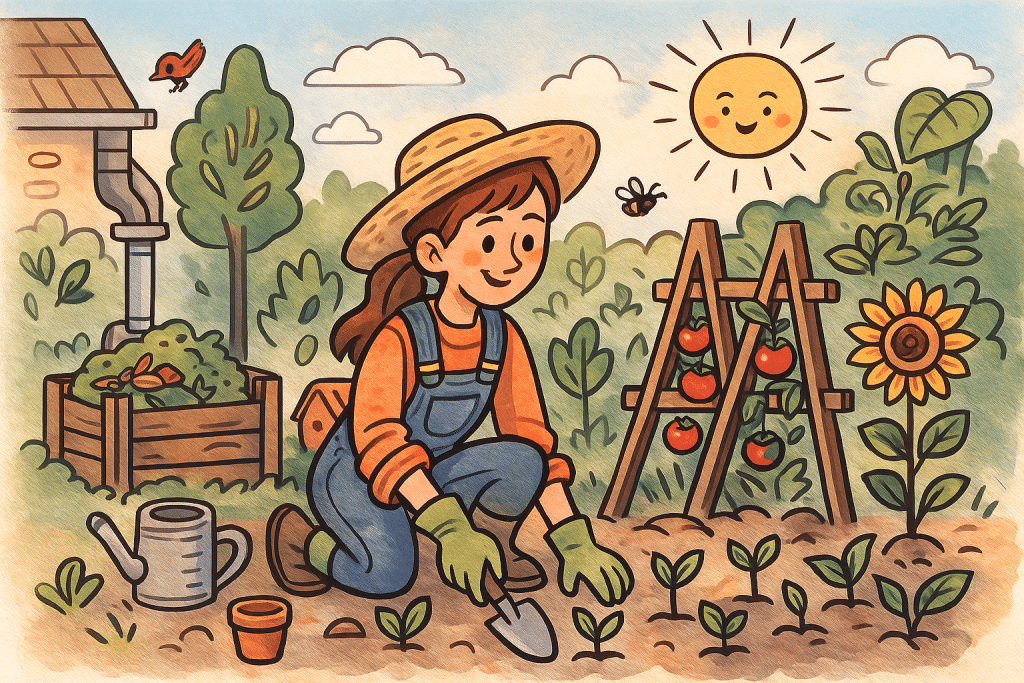
If you’re ready to make your garden thrive every season, there are smarter, science-backed ways to boost growth without constant trial and error. These gardening ideas that boost seasonal growth bring together sustainable practices, technology, and proven horticultural strategies.
Why Seasonal Gardening Matters
Gardening is no longer just about summer blooms and vegetable harvests. Seasonal gardening considers how plants interact with shifting temperatures, rainfall, soil microbes, and sunlight exposure throughout the year. Adopting gardening ideas that boost seasonal growth ensures not only beauty but also resilience.
A study from the University of Reading found that biodiversity and crop yield in domestic gardens improve significantly when seasonal rotation practices are applied (Thomas and Tian 2021). This means your garden can be both productive and sustainable when you align planting with seasonal changes.
Smart Soil Strategies for All Seasons
1. Layered Mulching for Temperature Balance
Mulch does more than make beds look neat. In summer, it shields roots from heat and reduces evaporation, while in winter, it locks in warmth like a blanket. Organic mulches such as shredded bark, straw, or compost slowly break down, feeding microbes and improving soil texture over time. A 2–4 inch layer is ideal—thick enough to protect but not so heavy that it suffocates roots. Refresh it in spring and fall for best results.
2. Cover Crops as Living Protection
Cover crops act like armor for your soil. Rye, clover, or winter peas prevent erosion during the cold months and add nitrogen back into the ground. When turned under in spring, they decompose into green manure, creating rich, spongy soil that holds water and nutrients for vegetables and flowers. Switching up which cover crops you use each year can also reduce pests and improve biodiversity in your garden.
3. Soil Testing and Adjustments
Soil conditions change with the seasons, so testing twice a year gives you a clear picture of what your plants need. Most crops prefer a pH between 6 and 7, but it’s easy to drift outside that range. Lime can correct acidity, while compost or manure boosts fertility. If soil leans alkaline, adding sulfur or peat moss helps. These small seasonal tweaks ensure steady growth and healthier yields.
Seasonal Planting Ideas to Maximize Growth
Spring: Kickstart with Hardy Greens
- Spinach, kale, and lettuce sprout quickly in cooler soil.
- Early flowering plants like pansies and daffodils set the stage for pollinators.
Summer: Heat-Tolerant Stars
- Tomatoes, peppers, and zucchini thrive in long sunlight hours.
- Native wildflowers attract pollinators that extend bloom longevity.
Fall: Root Vegetables and Late Color
- Carrots, beets, and turnips grow best as temperatures drop.
- Ornamental cabbages and chrysanthemums add visual interest.
Winter: Cold Frames and Perennials
- Use cold frames to extend lettuce and herb harvests.
- Evergreen shrubs and winter berries keep gardens functional even in frost.
By following these seasonal patterns, you can maintain a living, productive garden 12 months a year.
Functional Gardening: Combining Beauty and Utility
Raised Beds for Extended Seasons
Raised beds heat up faster in spring, allowing earlier planting. They also drain better during heavy rains, preventing root rot.
Vertical Gardening for Space and Sunlight
Using trellises, wall planters, and vertical hydroponics increases yields per square foot. This technique is especially useful in urban settings where space is limited.
Pollinator-Friendly Layouts
Planting seasonal flowers like lavender, echinacea, and sunflowers ensures bees and butterflies are active across the year. Pollinators are essential for fruit and vegetable production, and their presence boosts overall seasonal growth.
Emerging Gardening Trends Boosting Seasonal Growth
Smart Irrigation Systems
Drip irrigation systems connected to weather apps now adjust watering schedules automatically, ensuring plants receive optimal hydration without waste. This is critical during hot summers or unexpected droughts.
Climate-Adaptive Plant Breeding
Plant breeders are developing hybrid vegetables and ornamentals that can withstand unpredictable seasonal swings. For example, heat-tolerant lettuce varieties allow year-round salad production even in warmer climates (Gulddal 2020).
Sustainable Composting and Biochar
Biochar, a carbon-rich soil amendment, is gaining popularity because it improves soil structure and retains water. When combined with compost, it creates an environment that supports seasonal resilience.
Practical Tips for Gardeners
Stagger Planting Dates – Sow crops like beans or lettuce every two weeks to avoid a single glut and enjoy steady harvests.
Rotate Crops Annually – Switch plant families each year to keep soil nutrients balanced and reduce pests. For example, follow tomatoes with beans or peas.
Use Season Extenders – Cold frames, row covers, and hoop houses let you plant earlier in spring and keep greens going into fall.
Companion Planting – Pair crops that help each other. Basil boosts tomatoes, while marigolds keep pests away from cucumbers.
Plan for Dormancy – Rest some garden beds with cover crops or fallow periods. This rebuilds nutrients and improves soil health for the next season.
The Future of Seasonal Gardening
Urban agriculture, indoor hydroponics, and AI-assisted garden planning are redefining what’s possible for home gardeners. These innovations will allow everyday growers to design adaptive systems that maintain functionality year-round.
Ultimately, integrating gardening ideas that boost seasonal growth is about combining tradition with innovation—respecting natural cycles while using technology and sustainable practices to make them more productive.
Conclusion
Gardening success isn’t just about what you plant, but when and how you nurture it. By using gardening ideas that boost seasonal growth, you set your plants up to flourish at the right time and thrive through changing conditions. A garden built this way adapts naturally to each season, offering steady harvests, vibrant colors, and a healthy balance between food production and beauty. It also supports pollinators, enriches the soil, and creates a resilient space that feels alive and rewarding all year round.
References
- Royal Horticultural Society. (2023) Seasonal gardening tips for boosting plant growth. Available at: https://www.rhs.org.uk (Accessed: 29 September 2025).
- Better Homes & Gardens. (2022) The best seasonal gardening practices to maximize yield. Available at: https://www.bhg.com (Accessed: 29 September 2025).
- University of Minnesota Extension. (2021) Seasonal plant care and gardening ideas. Available at: https://extension.umn.edu (Accessed: 29 September 2025).

 Smart Finance Practices for Young Professionals