Low Water Landscaping Ideas You Might Love
Thomas Blake September 28, 2025
Curious about how to create a beautiful yard with less water? This guide explores low water landscaping ideas, from drought-tolerant gardens to backyard designs that thrive with minimal irrigation—helping you build a sustainable, eco-friendly home landscape that balances beauty and resource savings.
Understanding Low Water Landscaping for Modern Homes
Many homeowners today seek low water landscaping, also known as xeriscaping, as a practical solution to save both water and money. These landscapes utilize plants and design strategies that minimize the need for supplemental irrigation, making them ideal for drought-prone or water-restricted regions. As cities and suburbs grapple with water shortages, the popularity of drought-tolerant gardens continues to grow for those interested in sustainable living. A thoughtful low water landscaping approach doesn’t mean compromising on color or style—native plants, ornamental grasses, and creative hardscaping can deliver aesthetic beauty and ecological value, turning ordinary yards into resilient spaces.
The principles behind low water landscaping go beyond plant selection. Soil improvement, mulching, and water-smart irrigation systems play pivotal roles in these gardens. Homeowners often start with a soil assessment, amending sandy or clay soils with compost to boost water retention. Mulching is another essential tip; it locks in moisture, reduces evaporation, and suppresses weed growth. Advanced drip irrigation systems can further maximize water efficiency by delivering moisture directly to plant roots, reducing waste. These combined strategies position low water garden design as a robust response to regions facing climate variability.
Reducing landscape water use is possible in any climate. Even in wetter regions, savvy designers use the low water landscaping approach to reduce maintenance and create vibrant, biodiverse spaces. Many “water-wise” enthusiasts are now experimenting with mixed borders, blending perennials, succulents, and low-maintenance shrubs for all-season appeal. The result? Yards that retain value, support pollinators, and require less intervention—great news for anyone hoping to balance a busy lifestyle with a dynamic, modern garden.
Choosing Drought-Tolerant Plants for Colorful Yards
The success of a low water landscape hinges on choosing the right drought-resistant plants. Native species are often well-adapted to the local climate, requiring minimal care once established. Popular options include lavender, salvia, yarrow, and ornamental grasses—these not only thrive with infrequent watering but provide year-round texture and color. Decorative succulents, such as agave and sedum, offer sculptural interest, while flowering shrubs like Russian sage and butterfly bush bring pollinators to the garden. It’s possible to design a lush, vibrant yard that efficiently handles dry spells and uncertain rainfall without constant irrigation aid.
Grouping plants by their water needs boosts efficiency and simplifies maintenance. This technique, called ‘hydrozoning,’ enables gardeners to allocate more water to high-priority areas—such as vegetable beds or containers—while allowing drought-tolerant perennials and shrubs to fend for themselves. Many experts recommend researching regional plant lists or consulting local extension services to find options that will perform best in your environment. Such choices also support local wildlife, from bees and butterflies to songbirds, by providing food and shelter throughout the season.
For those wary of an all-green or desert look, there’s good news. Designers now mix bold drought-tolerant bloomers, like coneflowers and black-eyed Susans, with foliage-rich choices. Even edible gardens can thrive—think herbs like rosemary and thyme, which naturally handle dry conditions. A thoughtfully curated plant palette means less upkeep, lower costs, and cleaner air. These landscapes are a testament to the rich diversity possible with water-wise planning.
Smart Irrigation and Soil Strategies for Water Efficiency
Sound soil health and water-wise irrigation systems sit at the heart of a successful low water garden. Drip irrigation lines and soaker hoses, installed beneath mulch, target plant roots and minimize water wasted through evaporation. These systems are often paired with timers or rain sensors, ensuring that irrigation complements actual rainfall and seasonal needs. This careful management helps homeowners optimize every drop—a crucial step as many regions move toward stricter water regulations and conservation incentives.
Soil amendments play a surprisingly big role. Clay-heavy or sandy soils often struggle to retain water, but adding compost or organic matter boosts absorption and supports robust root growth. Well-aerated soils deliver nutrients efficiently and hold rainfall for longer periods. Mulching—using wood chips, bark, or gravel—acts as a natural insulator. It stabilizes soil temperatures, keeps weed pressure down, and protects precious moisture through hot months. These collective practices mean healthier plants and less reliance on supplemental watering.
Another overlooked strategy is grading or shaping the landscape to direct runoff to planting beds. Swales, permeable paths, and rain gardens collect water during storms and deliver it where it’s needed most. By capturing rainwater on site, savvy homeowners reduce runoff, build soil life, and slow erosion. Innovative designers even harvest rainwater in barrels for later use, further stretching resources. All together, these approaches reflect a growing movement toward landscapes that are as resilient as they are beautiful.
Creative Design Elements for Sustainable Outdoor Spaces
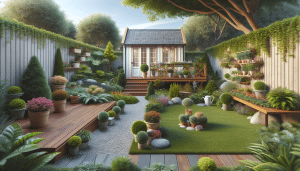
Low water landscaping doesn’t mean sacrificing beauty. Creative garden designs make use of pathways, patios, and accent features to transform the yard into inviting outdoor living rooms. Gravel or decomposed granite paths, flagstone patios, and wooden benches require little or no watering but add both texture and structure. These elements also naturally direct foot traffic, reducing soil compaction and supporting healthier plants. Raised beds and defined borders make maintenance easy, boosting curb appeal for property owners and neighbors alike.
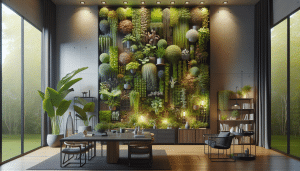
Small decorative touches can transform a utilitarian space into a retreat. Consider a dry creek bed lined with smooth river rocks to handle seasonal runoff or a cluster of large pottery containers showcasing colorful succulents. Vertical gardens, trellises, and living walls take advantage of limited square footage, especially in urban yards, offering spots for flowering vines and herbs that don’t require much water. These features add visual interest and foster privacy, turning basic yards into multifunctional sanctuaries for relaxation, play, or quiet reflection.
Lighting also plays a key role after sundown. Solar-powered path lights, string lights draped through trees, or uplighting on focal plants help set a mood without adding to energy bills. Integrated garden art—such as metal sculptures or mosaic stepping stones—brings personal style to water-wise landscapes. Ultimately, each design decision, from plant selection to hardscaping, contributes to a landscape that thrives on limited water, celebrates biodiversity, and invites enjoyment throughout the year.
Maintaining and Adapting Low Water Landscapes Over Time
Once established, drought-tolerant landscapes require far less maintenance than traditional lawns, but some care is still key. Routine tasks include checking and maintaining drip irrigation lines, adjusting watering based on season and rainfall, and keeping mulch layers topped up. Occasional weeding and pruning keep the landscape tidy and plants healthy. Unlike turfgrass lawns, these gardens rarely need fertilizer or pesticides, further reducing potential environmental impacts and costs.
Adapting the landscape as plants mature—moving, dividing, or replacing species—ensures ongoing vitality. Periodic soil testing helps track changes in nutrients and pH, and regular observation enables early intervention for pests or diseases. Most drought-tolerant plants thrive for years, but change brings diversity and keeps the design dynamic. As climate patterns shift or new plant hybrids become available, homeowners can introduce resilient varieties for even greater performance and visual appeal.
Seasonal cleanups offer a chance to refresh the outdoor space. Trimming faded perennials and removing debris not only improves aesthetics but reduces fire risks in dry regions. Celebrating successes—bountiful blooms, visiting pollinators, lower water bills—provides motivation to continue refining your approach. By staying curious and responsive, you can enjoy a landscape that evolves gracefully while addressing changing environmental needs and personal preferences.
Benefits and Broader Impact of Water-Wise Gardens
Water-efficient landscapes bring benefits that extend beyond the property line. They reduce household water bills and support municipal conservation efforts, all while providing habitats for critical pollinators like bees, butterflies, and hummingbirds. For neighborhoods, widespread adoption of low water gardening means less stormwater runoff, fewer chemical inputs, and more green space resilience—a win for community health and the broader ecosystem.
Sustainable gardening also has lasting economic impacts. According to studies, water-wise landscaping often results in higher property values, faster sales, and positive perceptions among buyers (Source: https://www.epa.gov/watersense/resources). As climate awareness grows, eco-friendly designs become selling points for modern families looking to balance comfort, cost, and responsibility. These spaces support well-being while curbing resource use—a practical recipe for long-term satisfaction.
Finally, the sense of stewardship that low water gardening inspires helps foster a connection to the natural world. Families learn the rhythms of the seasons, students explore hands-on ecology, and neighbors swap cuttings and ideas. In today’s world, those tiny but meaningful connections—to people, place, and planet—build resiliency at every scale. Water-wise gardens, large or small, are gestures of hope and care that ripple outward for generations.
References
1. United States Environmental Protection Agency. (n.d.). WaterSense: Outdoor. Retrieved from https://www.epa.gov/watersense/outdoor
2. University of California Agriculture & Natural Resources. (n.d.). The California Garden Web: Drought Resistant Landscaping. Retrieved from http://cagardenweb.ucanr.edu/General/Drought_Resistant_Landscaping/
3. National Wildlife Federation. (n.d.). Landscaping for Water Conservation. Retrieved from https://www.nwf.org/Garden-for-Wildlife/About/Native-Plants/Water-Conservation
4. Denver Water. (n.d.). Xeriscape: Water-Wise Landscaping. Retrieved from https://www.denverwater.org/residential/your-home/xeriscape
5. Missouri Botanical Garden. (n.d.). Low Maintenance Landscaping. Retrieved from https://www.missouribotanicalgarden.org/gardens-gardening/your-garden/help-for-the-home-gardener/advice-tips-resources/gardening-help-faq/low-maintenance-landscaping
6. U.S. Department of Energy. (n.d.). Landscaping for Energy-Efficient Homes. Retrieved from https://www.energy.gov/energysaver/landscaping-energy-efficient-homes

 You and Artificial Intelligence in Daily Life