Easy Ways You Can Transform Your Outdoor Space
Thomas Blake September 28, 2025
Discover practical ideas and real inspiration to elevate your outdoor living. This guide shares creative landscaping, garden design, and sustainable tips so your home becomes a relaxing retreat. Explore how thoughtful changes can turn ordinary yards into inviting sanctuaries—with possibilities for every budget and size.
Creative Landscaping Ideas That Make a Difference
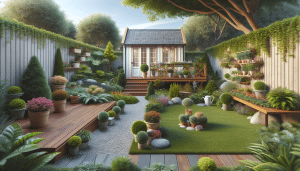
Landscaping is more than just planting shrubs and mowing the lawn. Thoughtful design can introduce color, texture, and structure to any yard. By blending native plants and strategic hardscaping, even small spaces can appear expansive and inviting. Using layered flower beds, mixing perennials and evergreens, or creating winding paths are just some smart ideas for improving visual appeal. Incorporating features like water fountains or raised garden beds adds both function and beauty, setting the stage for a relaxing outdoor environment. When planning, always keep your region’s climate and soil conditions in mind for the healthiest results. Many homeowners now choose drought-tolerant native species because they’re easier to maintain and support local wildlife. It’s amazing how small choices build a harmonious space (Source: https://www.epa.gov/greenacres).
Budget-conscious landscaping doesn’t mean you must sacrifice style or impact. Simple techniques such as grouping inexpensive ornamental grasses or using reclaimed bricks for edging offer fresh appeal. Mulching planting beds not only enhances appearance but helps retain soil moisture and suppresses weeds. For yards with limited sunlight, hostas and ferns add lush textures. Conversely, areas with plenty of sun can shine with splashes of color from marigolds, lavender, and sun-loving succulents. Use containers for pops of personality on decks and patios. Repurposed household items like vintage crates or large tins create unique planters and spark conversation. With clever resourcefulness, beauty is truly accessible.
Functional outdoor spaces don’t just look good—they’re practical year-round. Integrating lighting along walkways increases safety after dark and highlights garden features. Solar-powered path lights are cost-effective and easy to install. Designating zones for seating, dining, or play makes the space more versatile for family and guests. Dividing areas with lattice screens or hedges can offer privacy, especially in urban settings. If you love outdoor cooking, adding a grilling station or fire pit extends how you use your yard across seasons. These investments not only transform how your family enjoys the outdoors but can also raise home value (Source: https://www.nahb.org/advocacy/industry-issues/homeownership-works/benefits-of-home-ownership).
Sustainable Gardening That Thrives
Sustainability in gardening is increasingly important as homeowners seek eco-friendly practices. Choosing rain gardens, composting kitchen scraps, and using permeable pavers minimizes your environmental footprint. Organic gardening methods—such as companion planting and natural pest deterrents—protect pollinators as well. Replacing lawns or water-intensive plants with alternatives like clover, buffalo grass, or native wildflowers reduces the need for irrigation and fertilizers. These methods, rooted in conservation principles, support biodiversity and water savings—ideal for reducing monthly utility costs while nurturing a greener home landscape (Source: https://www.epa.gov/soakuptherain/soak-rain-rain-gardens).
Mulching not only supports healthy plant growth but also suppresses weeds and conserves soil moisture. Consider natural mulches like pine straw, shredded bark, or cocoa hulls. Compost bins are a popular backyard upgrade—turning waste into invaluable garden nutrients. Rain barrels collect runoff from roofs, providing a steady water supply for gardens and reducing strain on municipal systems. These features require little investment yet create ongoing benefits, both for the environment and for your utility bills. Sharing extra compost or cuttings with neighbors fosters a sense of community, too.
Local wildlife flourishes in sustainable gardens designed with their needs in mind. Birdhouses, bee hotels, and butterfly-attracting plantings encourage healthy populations of beneficial insects and pollinators. Many gardeners report increased bird visits and vibrant blooms after integrating native plants into their beds. Sustainable garden choices can easily be scaled up or down to fit balconies, patios, or large yards—making eco-friendly practices widely accessible. These efforts make a visible difference, adding charm while helping restore fragile local ecosystems (Source: https://www.audubon.org/content/why-native-plants-matter).
Comfort and Style: Outdoor Furniture and Decor
The right outdoor furniture transforms patios, porches, and decks into true living spaces. Durability is key: opt for weather-resistant materials like teak, powder-coated aluminum, or recycled plastics. These not only last through sun and rain but require minimal maintenance. Modular pieces—sun loungers, corner sofas, or foldable bistro sets—offer flexibility to reconfigure seating as needed. Accessorizing with textiles like weatherproof cushions and outdoor rugs enhances comfort year-round. Don’t overlook side tables and storage benches; they’re practical and keep outdoor gear organized. Good design ensures that style meets everyday function, blending seamlessly with your home’s overall look.
Personal touches through decor—such as lanterns, string lights, or garden statuary—bring character to outdoor spaces. Mirrors or wall art for exterior walls add unexpected interest. For dining areas, provide protection with large umbrellas or a stylish pergola. Planters brimming with annuals create instant focal points. Some homeowners enjoy DIY projects like painted stepping stones or hand-crafted wind chimes, letting creativity shape the landscape. Seasonal updates—like themed tableware or potted mums in autumn—keep the mood fresh and welcoming for gatherings large or small.
Low-maintenance furniture choices make it easier to keep up with an outdoor lifestyle. Removable cushion covers, stackable chairs, and stain-resistant fabrics simplify cleaning and storage concerns. Matching style with practicality pays off in long-term use and curb appeal. Many design enthusiasts recommend mixing material types—such as pairing rattan with sleek metal—for a collected, layered look. Investing in high-quality staples can raise both comfort and property value (Source: https://www.houselogic.com/by-room/yard-patio/deck-shopping-guide/).
Smart Upgrades for Outdoor Living
Upgrading your outdoor living area can be as simple as installing efficient LED lighting or setting up an automated irrigation system. These enhancements improve convenience without dramatically increasing energy consumption. Smart timers for sprinklers ensure your lawn is watered on schedule, protecting against over- or under-watering. WiFi-connected lighting can help set the mood for evening entertaining and provides added security. For decks and patios, built-in seating or extendable awnings maximize usable space and comfort, rain or shine. Even small upgrades can feel like a major luxury. Research shows that homeowners who prioritize outdoor improvements often enjoy higher satisfaction with their property (Source: https://www.remodeling.hw.net/cost-vs-value/2022/).
Clever storage solutions—like weather-resistant boxes and vertical racks—help keep gardening tools and outdoor toys tidy. Adding a shed can free up garage space for other uses. Install retractable shades to block harsh sunlight or provide privacy as needed. Pet-owners might consider artificial turf patches or designated ‘potty’ zones to curb wear and tear on lawns. Outdoor kitchens and pizza ovens have grown even more popular, allowing households to embrace fresh-air cooking and social hosting. Smart home integrations (think weather sensors or app-controlled features) simplify care and make the most of technology outdoors.
Solar power isn’t just for rooftops. Increasingly, it powers outdoor lighting, irrigation, and decorative features. Modern solar panels and low-voltage systems deliver energy savings all season long. DIY fans can install solar garden lanterns or floating pool lights with minimal expertise. Combining renewable energy with recycled materials, such as reclaimed wood benches, lowers your environmental impact. Each thoughtful improvement creates a welcoming place that’s both functional and future-ready.
Edible Gardens for Health and Enjoyment
Growing your own food—whether herbs in pots or raised vegetable beds—connects you to nature and daily wellness. Starting small, with basil, mint, or tomatoes, is easy for beginners. Urban gardeners can grow leafy greens in containers on balconies or window ledges. Raised beds offer good drainage and make tending crops easier on the knees. Mix flowers among edibles to attract pollinators, boost yield, and deter pests. Harvesting your own produce adds flavor and freshness to meals while helping cut grocery costs with each harvest (Source: https://www.gardeningknowhow.com/edible/vegetables/vgen/raised-vegetable-gardens.htm).
Designing a kitchen garden can be fun for the whole household. Involving children in sowing seeds and gathering herbs encourages healthy eating habits. Include easy-to-grow foods such as lettuce, radishes, or bush beans for quick results. Trellised cucumbers or peas make use of vertical space for small patios. Compost from kitchen scraps closes the loop, feeding garden beds and reducing waste. Consider planting disease-resistant varieties to minimize the need for chemical treatments. Regular rotation of crops supports soil health and keeps your harvests strong season after season.
Fruit trees or berry bushes, once established, provide years of produce with minimal effort. Strawberries thrive in hanging baskets and offer treats for all ages. Blueberry shrubs add year-round interest with foliage that turns fiery in autumn. If you have the space, espalier apple trees against a sunny wall maximize output in compact gardens. Locally-suited varieties are the most reliable. Gardening experts recommend testing soil before planting and amending it for particular crops. Edible landscapes not only nourish but often spark conversations and friendships within communities.
Low-Maintenance Lawn Alternatives
Traditional lawns require substantial resources—watering, mowing, and fertilizers. Many homeowners now prefer lawn alternatives that are easier to maintain and more sustainable. Groundcovers like creeping thyme, clover, or moss form dense carpets needing little attention. These plants resist weeds, require less water, and stay green with minimal effort. Gravel beds with stepping stones offer a sophisticated aesthetic while boosting drainage and reducing mud. Permeable pavers installed between drought-tolerant plantings allow for creative walkways and play areas. Choosing these options means reclaiming weekends spent on lawn care and lowering your ecological impact (Source: https://www.nrcs.usda.gov/conservation-basics/natural-resource-concerns/land/urban-soil-health).
Artificial turf, once exclusive to sports fields, is now found in many residential backyards. Modern turf varieties look and feel remarkably natural, resisting fading and puddling. Families with pets or kids often appreciate how sturdy synthetic grass stays tidy year-round. While installation cost is higher up front, maintenance expenses are significantly lower down the line. Use in combination with beds of native flowers or edible herbs for a visually diverse landscape. Combining hardwearing surfaces in high-traffic spots allows for both beauty and everyday utility.
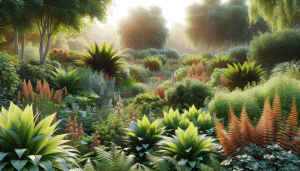
Wildflower meadows are a trending favorite for eco-conscious gardeners. Seed mixes tailored to your region’s climate produce ever-changing tapestries of blooms. These meadows support pollinators and require minimal mowing—just once or twice per year. Likewise, ornamental grasses sway gracefully in the breeze and endure drought. Both approaches turn unused corners or sloped yards into highlights of natural beauty. For property owners interested in wildlife or conservation, these ideas create meaningful habitats while lowering overall home maintenance needs.
References
1. U.S. Environmental Protection Agency. (n.d.). Greenacres: Landscaping with Native Plants. Retrieved from https://www.epa.gov/greenacres
2. National Association of Home Builders. (n.d.). Benefits of Homeownership. Retrieved from https://www.nahb.org/advocacy/industry-issues/homeownership-works/benefits-of-home-ownership
3. U.S. Environmental Protection Agency. (n.d.). Soak Up the Rain: Rain Gardens. Retrieved from https://www.epa.gov/soakuptherain/soak-rain-rain-gardens
4. National Audubon Society. (n.d.). Why Native Plants Matter. Retrieved from https://www.audubon.org/content/why-native-plants-matter
5. HouseLogic. (n.d.). Deck Shopping Guide. Retrieved from https://www.houselogic.com/by-room/yard-patio/deck-shopping-guide/
6. U.S. Department of Agriculture, Natural Resources Conservation Service. (n.d.). Urban Soil Health. Retrieved from https://www.nrcs.usda.gov/conservation-basics/natural-resource-concerns/land/urban-soil-health

 Unlocking Travel Rewards You Can Actually Use